
Last updated November 23, 2026
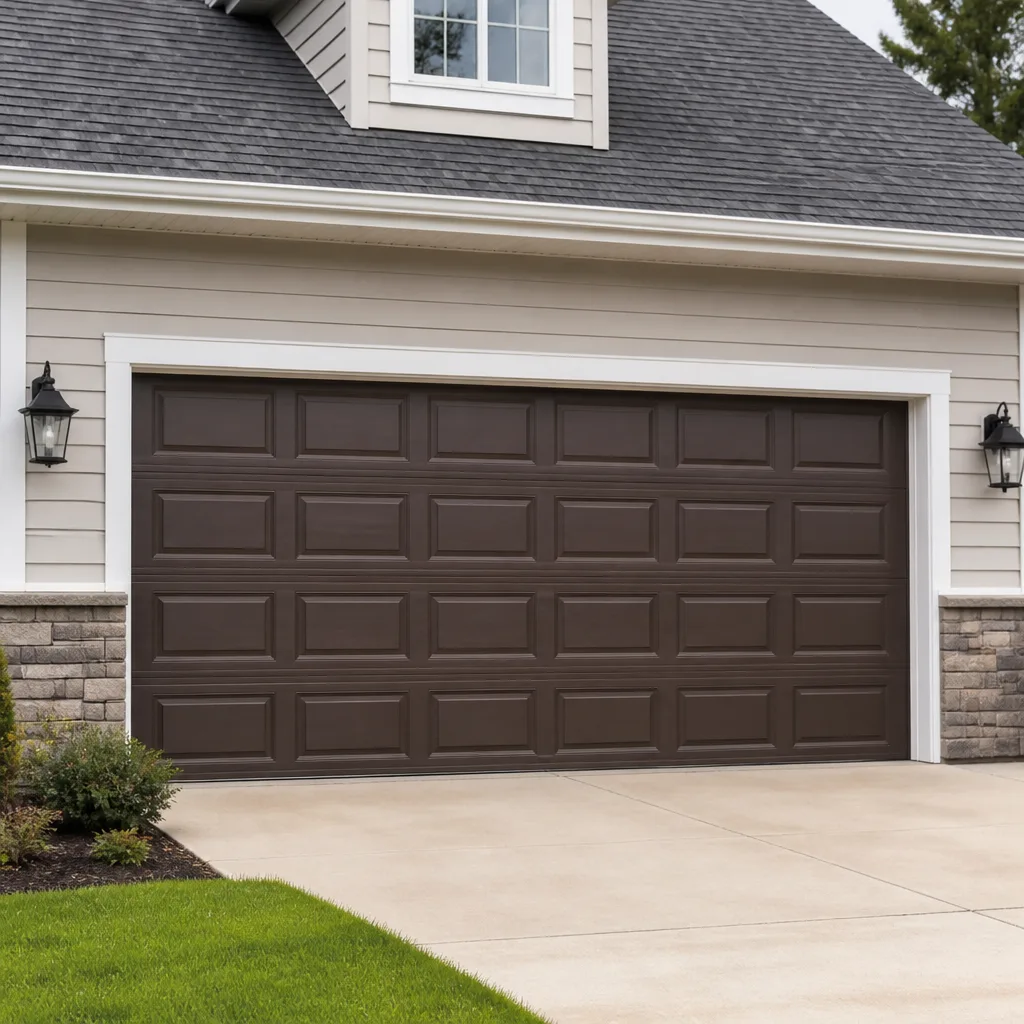 Raised-panel steel
 Carriage house
 Modern flush
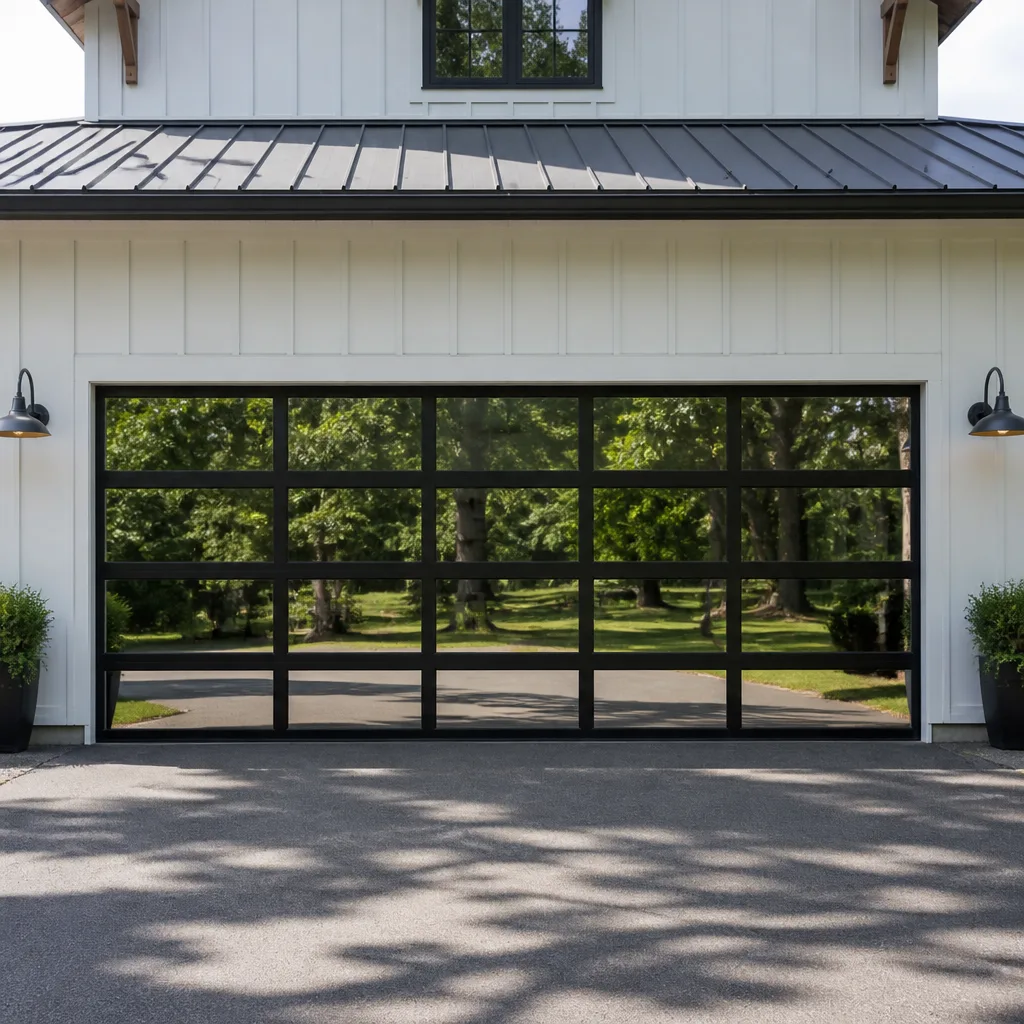 Full-view glass
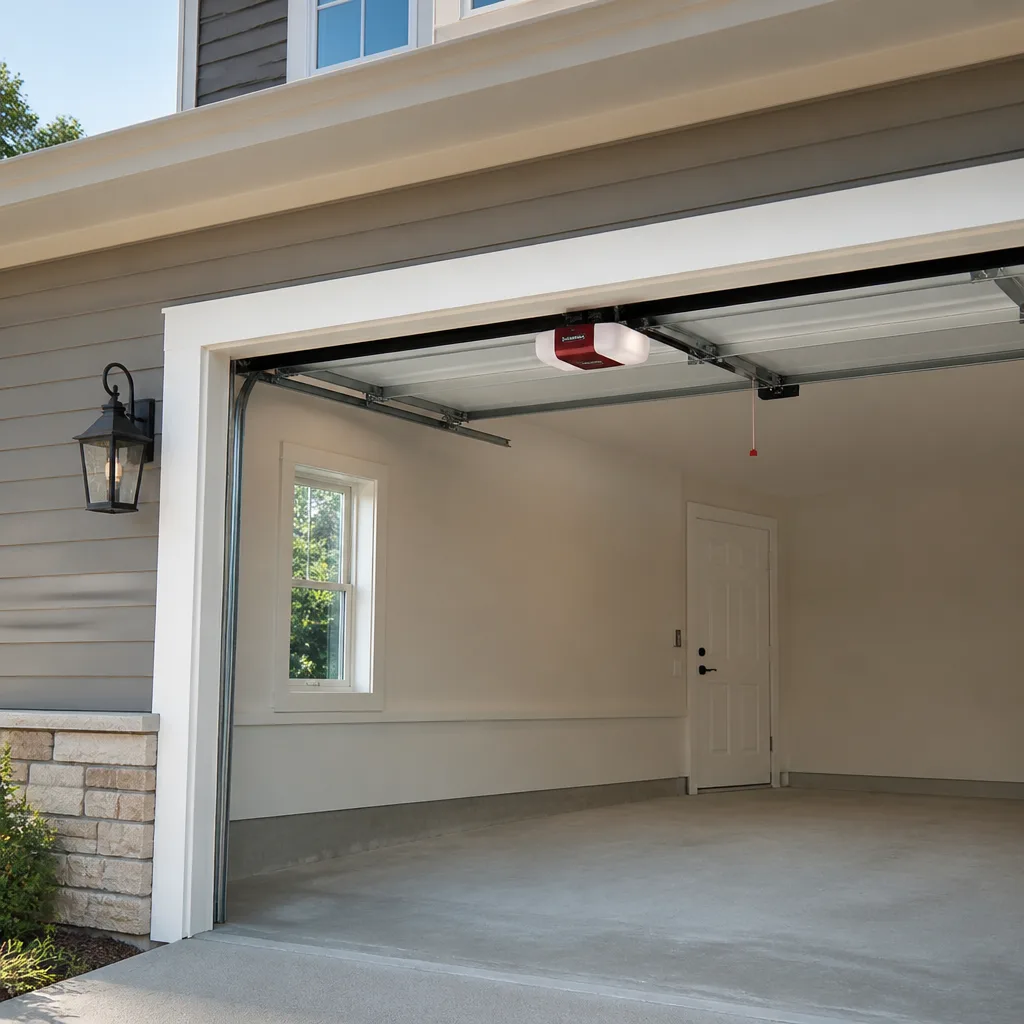 LiftMaster openers
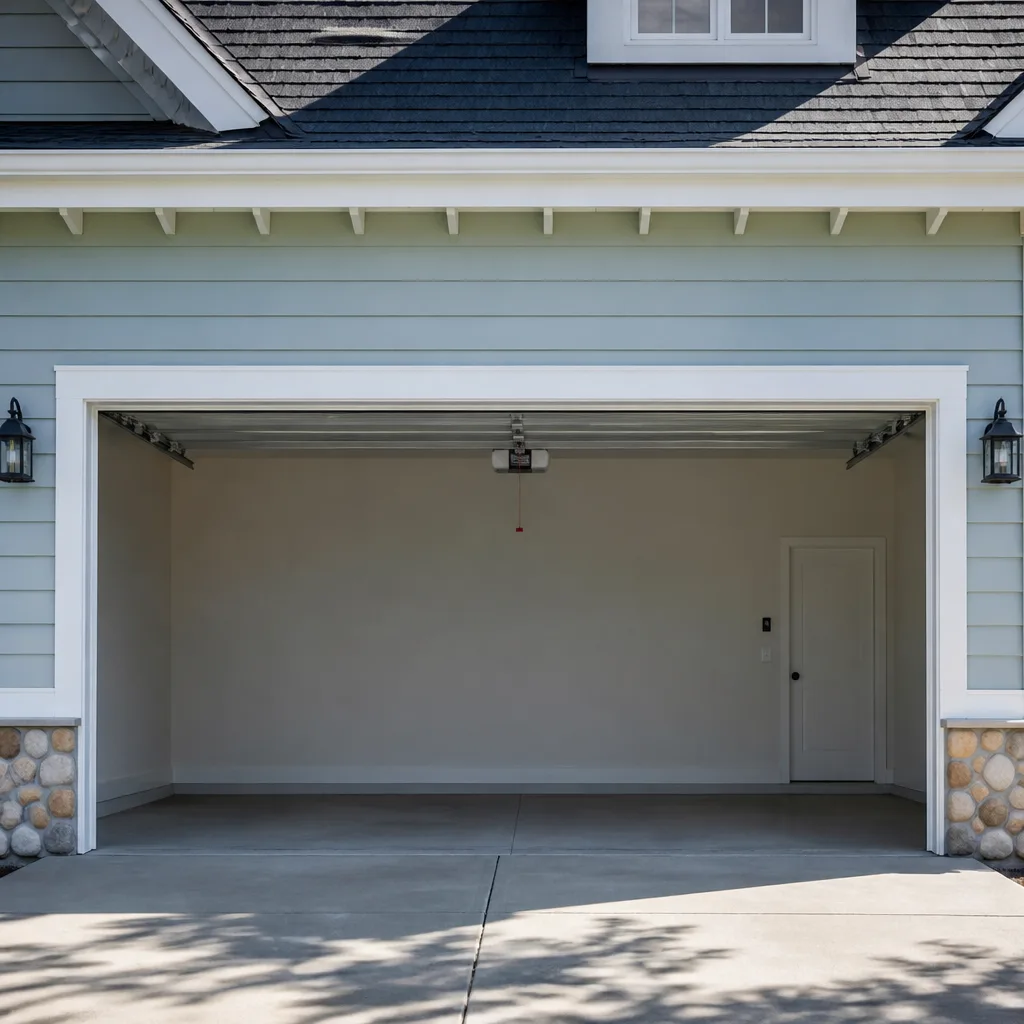 Chamberlain openers
Full 25-point door and opener safety check with every visit - springs, cables, rollers, tracks, and your LiftMaster or Chamberlain opener included
You get a price before we start. It does not change when the pro arrives.
Get your free estimateSeasonal Garage Door Care for University City: Year-Round Homeowner’s Guide
Most garage door advice you’ll read was written for a climate that doesn’t exist here. It assumes mild winters, dry summers, and stable ground. University City has none of those. Our summers load the air with humidity that swells wood and works on steel, our winters drop hard enough to turn a tired torsion spring brittle, and our clay-heavy soil shifts with every freeze and thaw, which pushes on tracks and thresholds from below. A maintenance calendar built for San Diego will quietly fail you in University City. What follows is the version that fits this city: what to check each season, why the timing matters, and when a small adjustment prevents a bigger repair.
Quick Answer
Garage door care in University City follows four seasonal checkpoints: spring for winter damage and hardware tightening, summer for humidity and wood-panel swelling, fall for weatherstripping and lubrication before the cold, and winter for spring tension and frozen tracks. The two jobs that prevent the most expensive failures are a pre-winter spring inspection and a fall weatherstripping audit, because January and February are when torsion springs break most often in this climate.
Styles & brands we work with
- Raised-panel steel
- Carriage house
- Modern flush
- Full-view glass
- LiftMaster openers
- Chamberlain openers
Table of Contents
- Why University City Garage Doors Age Differently
- Why Springs Snap in January and February
- Summer Humidity and What It Does to Panels
- Freeze-Thaw Movement and Track Misalignment
- The Fall Weatherstripping Audit
- Choosing the Right Lubricant for Missouri Humidity
- The Four-Season University City Maintenance Calendar
- Monthly Checks Any Homeowner Can Do Safely
Why University City Garage Doors Age Differently
Garage doors are simple machines – panels, tracks, rollers, a torsion or extension spring, and an opener. The machine is the same in University City as anywhere else. What changes is the stress it lives under. This city sits in a stretch of Missouri where summer air holds moisture for weeks at a time, winter swings between freezing nights and above-freezing afternoons, and the ground beneath older detached garages is heavy clay that expands when wet and contracts when dry. Each of those conditions attacks a different part of the door, on a different schedule.
The housing stock compounds it. University City has a lot of older homes with detached or semi-detached garages, many built with wooden door panels or wood-composite panels that were never designed for fifty humid summers. Those doors don’t fail suddenly. They fail slowly, seam by seam, until a panel is heavy enough to overload the opener or stiff enough to bind the tracks.
Here’s the part most homeowners miss: these stresses stack. A door whose wood has swelled in August is heavier in January. A track pushed out of line by fall ground movement puts side-load on rollers all winter. By the time something breaks, two or three seasonal problems have usually been building for months. Year-round care in University City is really about interrupting that stack before it completes.
- Summer humidity: swells wood panels, softens some seals, and stresses steel hardware at fasteners.
- Winter cold: makes springs brittle and metal tracks contract, tightening clearances.
- Freeze-thaw ground movement: shifts slab and threshold height, disturbing track alignment from the base.
- Older housing stock: wood-composite doors that absorb moisture and gain weight over time.
None of this means every door needs a technician every season. Most of it is inspection and minor adjustment you can do yourself. The trick is knowing which jobs are safe for a homeowner and which belong to someone trained for them. Springs under tension are in the second category, and we’ll come back to that.
Why Torsion Springs Snap in January and February
Torsion springs break most often in the coldest weeks of the year in University City, and it isn’t bad luck. It’s metallurgy. A steel torsion spring stores energy by twisting – that’s how it counterbalances the weight of your door. Steel loses elasticity as it gets colder, so a spring that was carrying its load comfortably at 50 degrees is working harder at 20. A spring already near the end of its cycle life, which is measured in door cycles rather than years, tends to be the one that lets go on the first hard cold snap.
The practical takeaway is that a pre-winter spring inspection is the single most valuable seasonal service in this climate. A trained technician can measure remaining tension, look for the visible warning signs (gaps in the coil, a stretched or sagging spring, uneven door travel), and tell you whether the spring is likely to survive the winter or is running on borrowed time. Replacing a borderline spring on a scheduled visit is far calmer than dealing with a door that won’t open on a cold morning with a car trapped inside.
That said, this is also the area where we most want you to keep your hands off. Spring repair is not a DIY job. Torsion and extension springs sit under extreme tension, and a spring that releases unexpectedly can cause serious injury. The safe homeowner job is observation, not adjustment. If your door feels heavy when you lift it by hand (with the opener disconnected), if it slams down instead of settling, or if you hear a loud bang from the garage, stop using the door and call a trained professional. For that kind of work, see garage door spring repair, which covers both torsion and extension springs and the diagnostics behind them.
One more winter point: cold also contracts the metal tracks and tightens roller clearances. A door that ran quietly in October can start to scrape or shudder in January even with healthy springs. That’s usually a track or roller issue, not a spring issue, and it’s worth having someone distinguish the two before you assume the worst.
Pre-Winter Checks That Actually Help
- Listen for the bang. A loud report from the garage is the classic sign of a broken spring. Stop operating the door until it’s inspected.
- Test the balance. Disconnect the opener, lift the door halfway, and let go. A balanced door holds position. One that drops fast is under-supported.
- Look at the spring. From a safe distance, check for visible gaps in the coil or a spring that looks stretched or slack.
- Watch the door travel. Uneven opening, jerking, or a door that reverses for no reason can point to tension problems.
- Book an inspection before the first hard freeze. Finding a tired spring in November is cheaper and easier than finding a broken one in February.
Summer Humidity and What It Does to Panels
University City summers are humid in a way that surprises people who move here from drier parts of the country. That humidity is relentless on wood and wood-composite garage doors, which are common on the older homes around town. Wood absorbs moisture from the air, swells slightly, and then dries and contracts when the air dries out. Repeat that cycle for enough summers and the panel seams start to separate, the paint film cracks, and the door gains weight – weight the opener and springs weren’t sized for.
Steel and steel-backed doors have their own summer issues. Moisture collects at fasteners, hinges, and the bottom edge where the door meets the threshold, and that’s where you’ll see the first rust spots. Brands like Clopay and Amarr build doors that handle humidity well when they’re sealed and maintained, but no steel door likes standing water against its bottom section or a failed seal that lets damp air behind the panel skin.
What we look for on a summer visit to a University City home is pretty specific:
- Panel swelling and seam separation on wood and wood-composite doors – run a hand along the seams and feel for gaps or soft spots.
- Paint and finish integrity – cracked or peeling paint is where moisture gets in, so touch-ups in summer protect the panel through winter.
- Bottom seal condition – a cracked or flattened seal lets humid air and water sit against the door’s lowest section.
- Rust at hinges, rollers, and fasteners – early rust is easy to treat; advanced rust means hardware replacement.
- Opener strain – if the door has gotten heavier over the summer, the opener works harder, and you’ll hear it in a louder, slower cycle.
If your door is old enough that the panels are soft or the seams have opened, seasonal maintenance won’t reverse it. At that point the honest conversation is about whether repair or replacement is the better spend – and that’s the kind of assessment a technician who works with multiple manufacturers can give you straight. For general door issues short of full replacement, garage door repair covers panels, hinges, rollers, and the hardware that holds it all together.
Summer Humidity Checklist
- Feel along panel seams for soft spots, gaps, or bubbling paint.
- Touch up any cracked or peeling finish before fall.
- Check the bottom seal for cracks or flattening and replace if needed.
- Look for rust at hinges, rollers, and fasteners and treat it early.
- Listen to the opener – a louder, slower cycle means the door is heavier.
Freeze-Thaw Movement and Track Misalignment
Here’s a seasonal problem that gets almost no attention in generic garage door advice, and it’s a real one in University City. The soil here is heavy clay. Clay expands when it takes on water and contracts when it dries, and the freeze-thaw cycle of a Missouri winter works it like a pump. That movement happens under garage slabs, driveways, and thresholds, and it pushes on the base of the door’s track system from below.
A track that was perfectly aligned in September can be slightly out of plumb by February. When that happens, the rollers bind, the door drags on one side, and the opener works harder to force it up and down. Left alone, that side-load wears rollers, strains the opener, and can eventually bend a track section. None of it is dramatic – you just notice the door getting noisier, slower, and less willing to close flush.
The fix is usually quick: a technician checks the tracks for plumb and parallel, realigns the brackets, and verifies the door travels smoothly. What matters is catching it before the binding damages something else. If you notice any of the following after a hard freeze, it’s worth a look:
- The door rubs or scrapes on one side as it moves.
- The gap between door and track looks uneven top to bottom.
- The door won’t close flush against the threshold on one corner.
- The opener strains or the door reverses partway through travel.
- Rollers look worn on one side of the door more than the other.
This is also where a garage with a concrete threshold that heaves gets tricky. When the slab lifts, the bottom seal no longer meets it evenly, and you get a draft, a water path, and a spot where the door can’t seal. Adjusting the seal or the door travel is a small fix. Ignoring it means water and cold air get in all season, and the heaving gets worse each year. Tracks and thresholds are mechanically simple, but they have to be right for everything above them to work, which is why we check them before we touch an opener.
The Fall Weatherstripping Audit
Fall is the right time for a weatherstripping audit in University City, and it matters most on detached garages with concrete thresholds. A detached garage is essentially an unconditioned box, so any gap in the seal lets cold air and moisture straight in, and it lets heat out of a space you may be using as a workshop or storage. The concrete threshold is the weak point because that’s exactly where freeze-thaw movement is worst. The bottom seal has to meet an uneven, moving surface and stay sealed through a winter.
A proper fall audit checks three seals, not one:
- Bottom seal (astragal): the rubber strip along the bottom of the door. Check for cracks, flattening, and whether it actually contacts the threshold across the full width. On a heaved concrete threshold, the seal may need to be thicker or the door travel adjusted to make contact.
- Side and top seals (stop molding): the strips around the frame. Feel for gaps between the seal and the door edge – that’s where drafts and water get in.
- Threshold seal: on doors where the seal is on the floor rather than the door, check that it’s seated, not cracked, and not lifted at the edges where the slab has moved.
Weatherstripping is one of the few jobs on this list most homeowners can handle themselves, because it doesn’t involve springs or tension. The main thing is to match the seal to the surface it meets. A flat concrete threshold and a slightly heaving one want different seal profiles, and the wrong one leaves a gap that looks sealed but isn’t. If you’re not sure which seal fits your threshold, a technician can tell you in a couple of minutes, and it’s the kind of small correction that pays for itself in a warmer, drier garage all winter.
Choosing the Right Lubricant for Missouri Humidity
Lubrication is the cheapest seasonal maintenance there is, and it’s also the one most often done wrong. Petroleum-based lubricants – the general-purpose sprays people reach for first – are the wrong choice in Missouri humidity. Petroleum products attract and hold dust and grit, which turns into a sticky paste on rollers, hinges, and tracks. In a humid climate that paste holds moisture against metal. The result is more wear and more rust than if you’d left it dry.
The better choice for this climate is a garage-door-specific or white-lithium-based lubricant that stays where it’s applied without grabbing grit. Some technicians prefer a silicone-based product on rollers and hinges for the same reason – it doesn’t collect dust the way petroleum does. Whatever you use, the method matters as much as the product:
- Clean the tracks first. Wipe out grit and old lube with a dry cloth.
- Apply lubricant to rollers, hinges, and the torsion spring coils – never to the inside of the vertical or horizontal tracks themselves, where it only collects dirt.
- Wipe away excess so it doesn’t attract dust.
- Run the door up and down a couple of times to work the lube in.
- Reapply on a seasonal schedule, more often in humid summer months.
The opener’s moving parts get their own attention. Chain and screw drives need the lubricant specified for that drive type, and belt drives typically need none. If your opener is a smart-home-connected model from LiftMaster, Chamberlain, or Genie, it’s working with app integration and sensors, so any lubrication or adjustment should keep those sensors clear and aligned. If the opener is misbehaving – grinding, straining, or failing to respond to the app – that’s usually an opener issue rather than a lubrication one, and garage door opener repair is where to start. We work on those brands by name, so the diagnosis is specific to your system rather than a guess.
One caution that’s easy to miss: never lubricate the spring coils on an older, corroded spring you’re not sure about. If the spring is already failing, the added lube can mask the problem without fixing it. If the spring looks worn, have it inspected before you oil anything.
The Four-Season University City Maintenance Calendar
Here’s how the whole year fits together for a University City garage door. Treat this as a rough calendar – exact timing shifts a little each year, but the sequence holds, because each season’s work sets up the next.
Spring (March-May): Recover from Winter
- Inspect for winter damage – springs, tracks, and rollers are the likely casualties.
- Tighten loose hardware: hinges, brackets, and roller mounts.
- Realign any track disturbed by freeze-thaw movement over the winter.
- Test the door balance and travel now that temperatures are stable.
- Clean and re-lubricate rollers, hinges, and springs for the humid months ahead.
Summer (June-August): Manage Humidity
- Check wood and wood-composite panels for swelling and seam separation.
- Touch up paint and finish before fall.
- Inspect the bottom seal for cracks and moisture traps.
- Re-lubricate more often in the humid months.
- Listen for opener strain – a heavier door from summer swelling shows up here first.
Fall (September-November): Prepare for Cold
- Do the full weatherstripping audit – bottom, sides, top, and threshold.
- Schedule a pre-winter spring inspection, the highest-value check of the year.
- Lubricate all moving parts with a humidity-appropriate product before cold sets in.
- Clear tracks of grit and debris that can freeze or bind.
- Check that the opener’s safety reverse works correctly – it’s a safety feature, not a convenience.
Winter (December-February): Watch and Respond
- Listen for the loud bang of a broken spring and stop using the door if you hear it.
- Watch for track binding or scraping as metal contracts in the cold.
- Keep the bottom seal clear of snow and ice buildup, which can jam the door.
- Don’t force a frozen door – forcing it loads the springs and opener unnecessarily.
- Call for spring repair the moment something sounds wrong rather than waiting for spring.
If you’d rather not track all of this yourself, a seasonal maintenance visit can cover the inspection and adjustment in one go. We offer garage door repair in University City across every season, and we’re set up to handle the full lifecycle – from a failing opener to a spring repair to a brand-new door installation – so you don’t need a second company at any stage.
Monthly Checks Any Homeowner Can Do Safely
Between the seasonal jobs, a few minutes once a month keeps you ahead of most failures. These are all safe for a homeowner because none of them involve touching springs or opener internals under tension.
- Watch and listen. Open and close the door and pay attention to noise, jerking, and speed. Standards shift slowly; you’ll notice the change before it becomes a failure.
- Test the safety reverse. Place a small object (a piece of wood or a roll of paper towels) in the door’s path and confirm the door reverses when it meets resistance. If it doesn’t, the opener needs attention.
- Check the balance. Disconnect the opener, lift the door halfway, and let go. It should hold its position. One that falls means the springs are under tension or the door is heavy.
- Look at the hardware. Hinges, brackets, and roller mounts should be snug. Loose hardware is a five-minute fix now and a bent track later.
- Clear the tracks. Wipe out grit and debris. Don’t lubricate the tracks themselves.
- Check the seal. Run a hand around the door edges and feel for drafts or gaps, especially after any extreme weather.
Where these checks end is at the spring. If a spring looks visibly damaged or you suspect it’s failing, stop and call. That’s the one part of a garage door where the right call is a professional, every time.
Common Mistakes to Avoid
- Treating the door as climate-neutral. Generic maintenance advice written for mild climates under-prepares University City doors for humidity, cold, and clay soil, and the damage shows up in January rather than July.
- Lubricating with petroleum-based spray. In Missouri humidity, petroleum products collect grit and hold moisture against metal, which is worse than no lubrication at all.
- Skipping the pre-winter spring inspection. A borderline spring that gets inspected in fall can be replaced calmly; the same spring that fails in February becomes an emergency with a car trapped inside.
- Forcing a frozen or stiff door. In cold weather, forcing a door that’s binding loads the springs and opener far beyond their design and speeds up failure.
- Ignoring small track misalignment. A slight rub from freeze-thaw ground movement wears rollers and strains the opener all season; catching it early is a quick adjustment.
- Assuming a heavier door is just “getting old.” In University City, a door that gets harder to lift over the summer is usually absorbing humidity, and the added weight is the actual cause.
- Attempting spring work yourself. Springs under extreme tension can cause serious injury when they release; this is professional work, not a weekend project.
See the difference
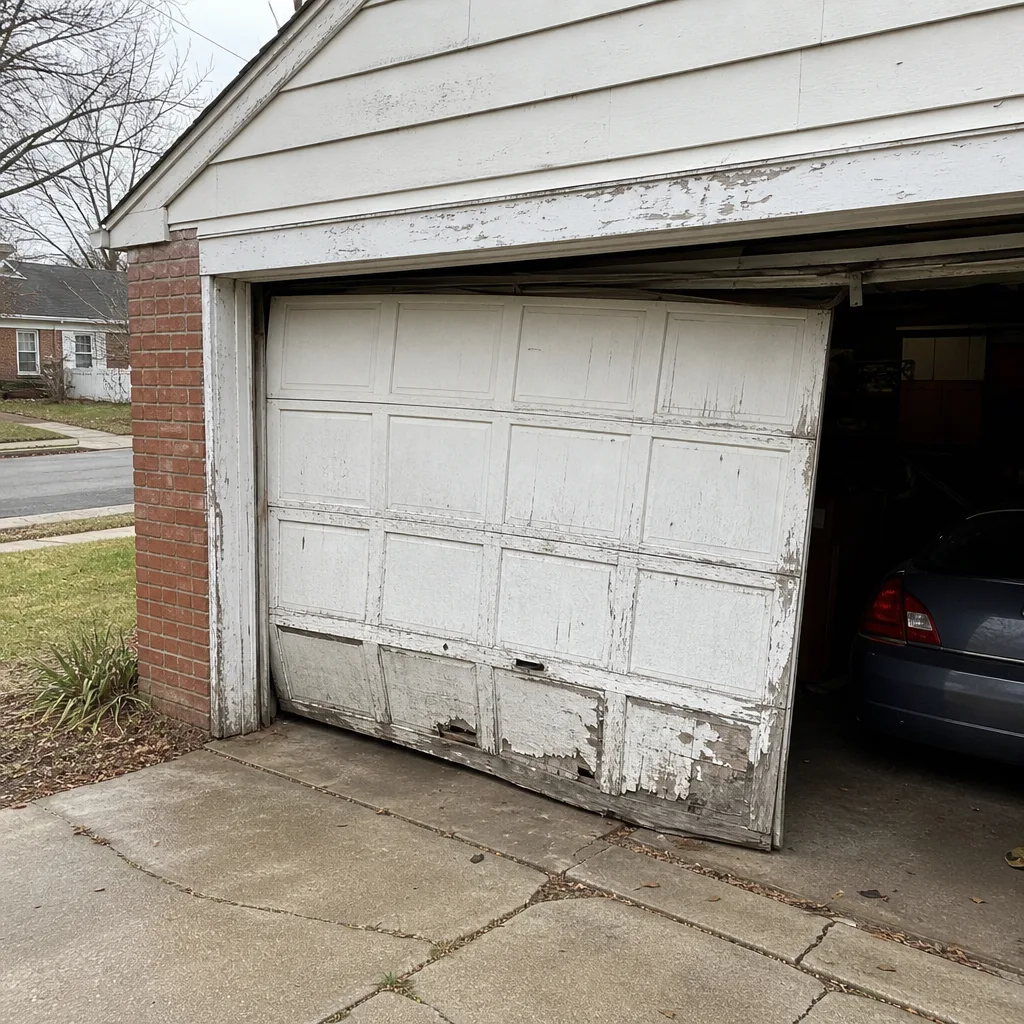 Before
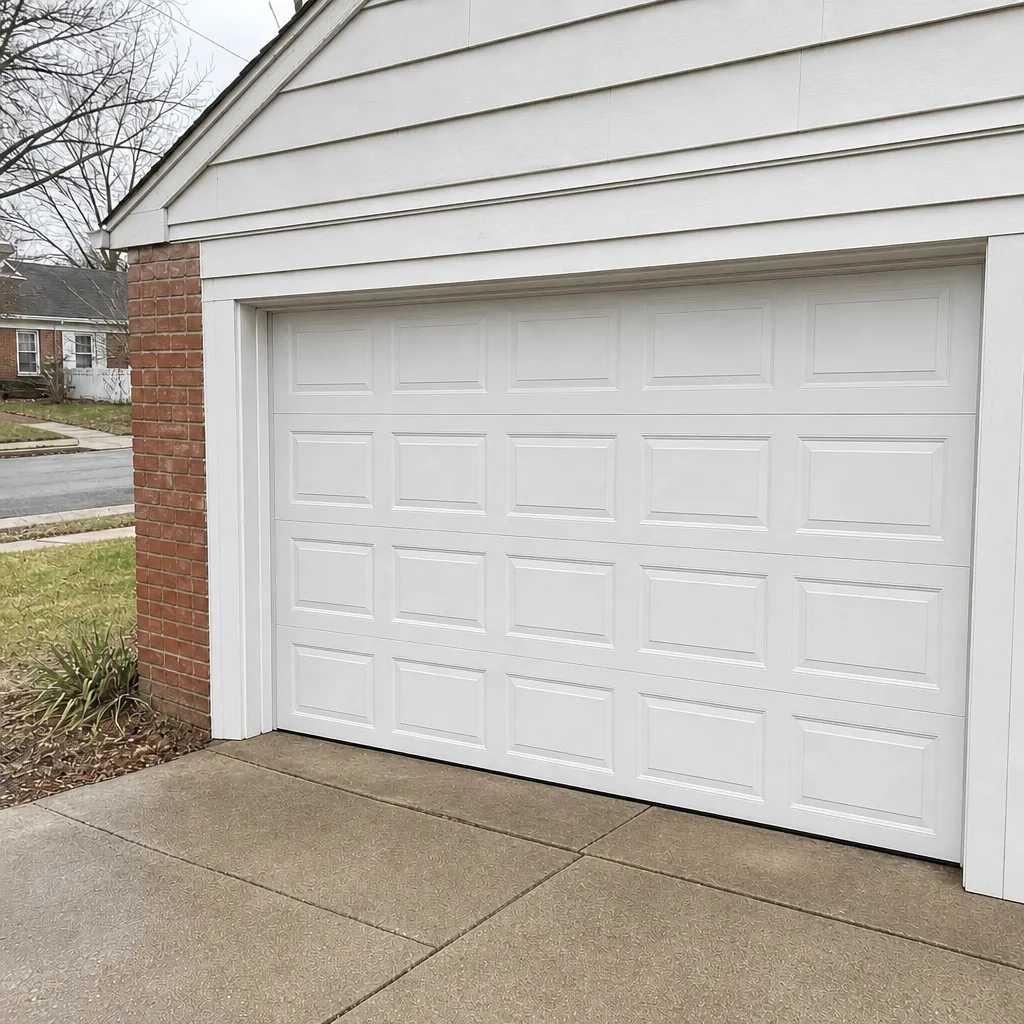 After
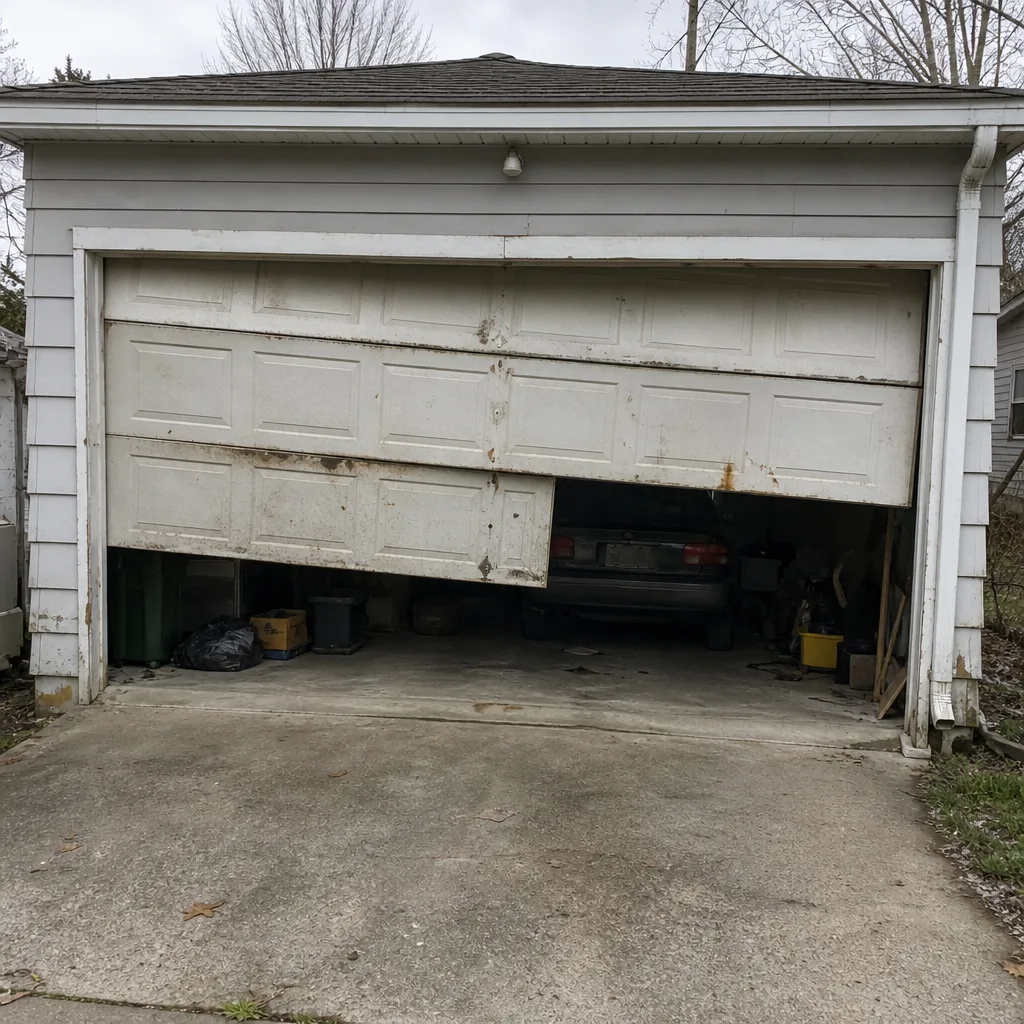 Before
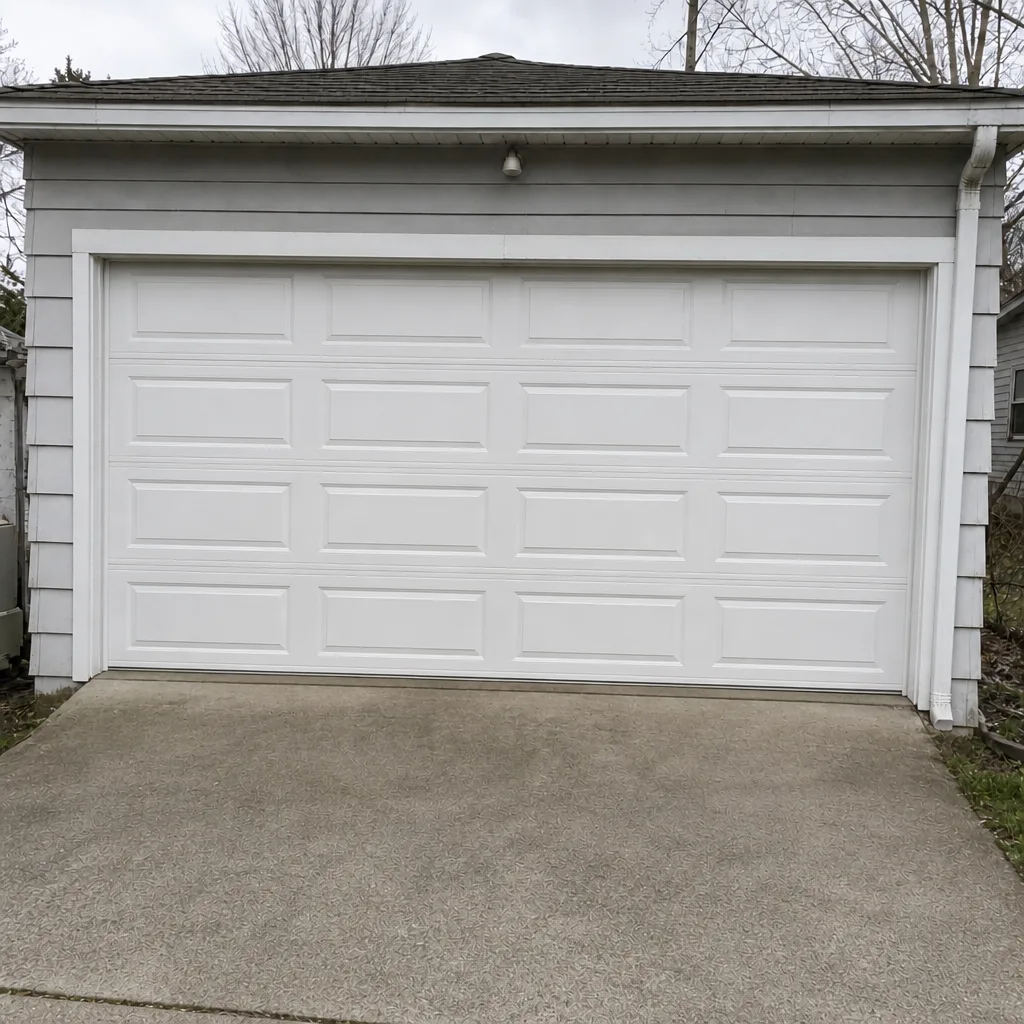 After
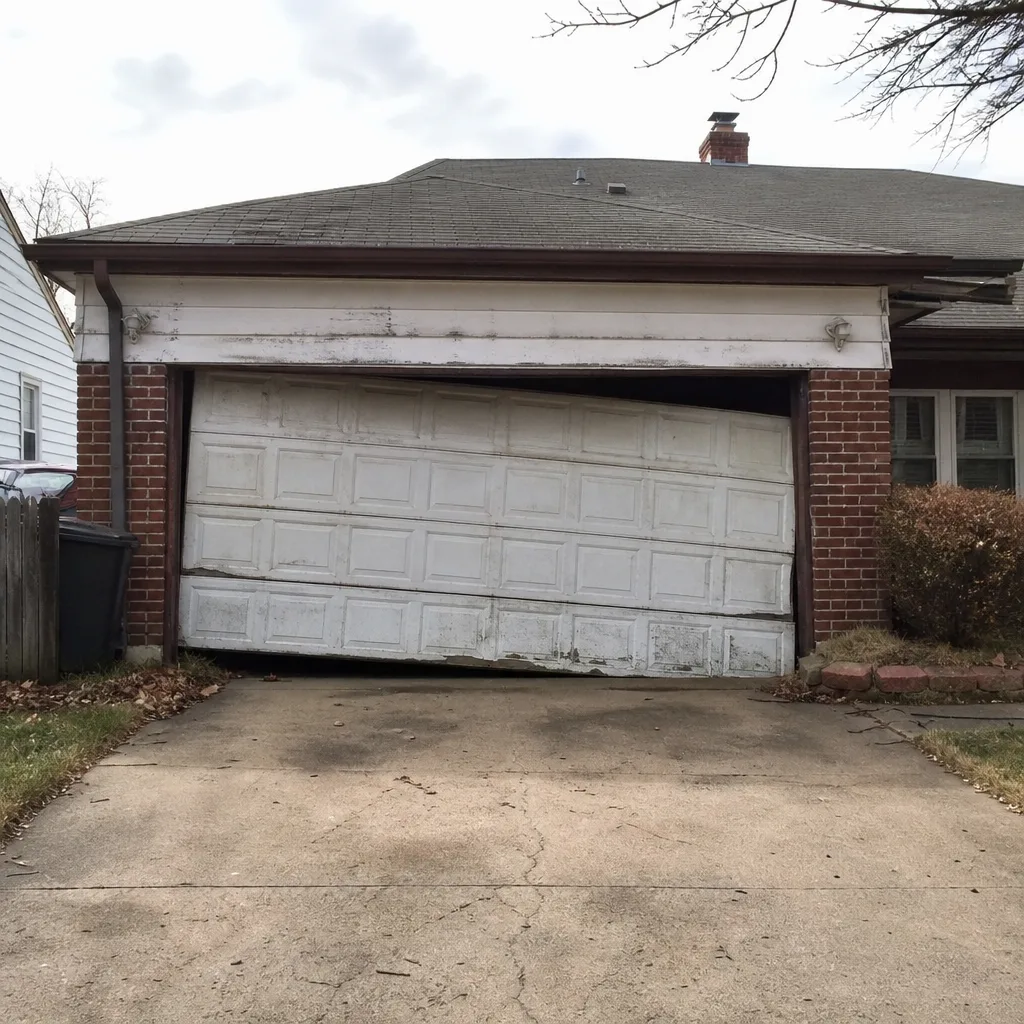 Before
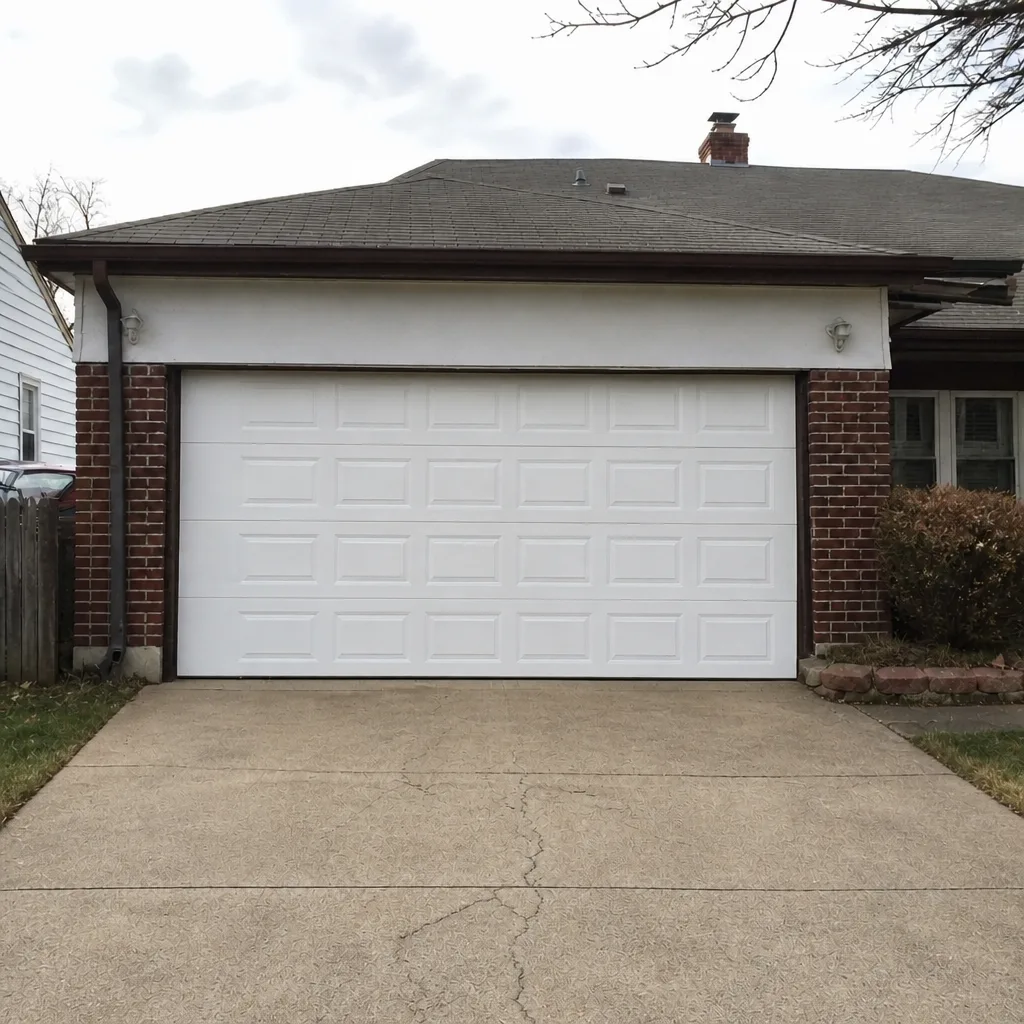 After
When to Call a Professional
Call a professional the moment you hear the bang of a broken spring, notice a door that drops fast or won’t hold position, or see a track visibly out of line. Springs and tension are the clearest line: if you suspect a spring problem, don’t operate the door. Call if the opener reverses for no reason, grinds, or strains, or if the door won’t close flush and you’ve already checked the seal. Any time the door binds, scrapes, or acts unpredictably, it’s worth a trained eye, and the earlier someone looks, the more likely it’s a small fix instead of a bent track or a burned-out opener. Garage Door Repair University City offers free estimates in University City – call (866) 787-1709.
Frequently Asked Questions
Garage door springs break most often in January and February in University City, because cold makes steel brittle and reduces the elasticity a torsion spring relies on. A spring that was borderline in fall tends to be the one that fails on the first hard freeze. That’s why a pre-winter spring inspection is the single most useful seasonal check here. Call (866) 787-1709 if you’ve heard a bang or your door feels heavy – estimates are free.
Lubricate your garage door at least seasonally in University City, and more often in the humid summer months, because humidity makes petroleum-based lubricants collect grit and hold moisture against metal. Use a garage-door-specific or white-lithium product on rollers, hinges, and spring coils, and keep the tracks themselves dry. Clean the tracks before you lubricate anything. Call (866) 787-1709 if you’d like the right products and technique gone over for your specific door.
Track misalignment in University City is usually caused by freeze-thaw ground movement in the clay soil, which pushes on the base of the track from below and knocks it out of plumb. It shouldn’t wait. A slight misalignment wears rollers, strains the opener, and can bend a track section if left through the season, so getting it checked early keeps it a small adjustment. Call (866) 787-1709 for a free estimate.
Summer swelling in a wooden garage door is a real problem, though usually a slow one. Humidity makes wood panels absorb moisture, swell, and gain weight, which overloads the springs and opener and stresses panel seams over time. Touch up cracked paint, check the bottom seal for moisture traps, and have a technician assess whether the swelling is maintenance-level or a sign the door is past its useful life. Call (866) 787-1709 – estimates are free.
Not necessarily every year, but you should audit it every fall. University City winters and the movement of concrete thresholds can crack, flatten, or lift seals, and a gap that looks minor lets cold air and moisture in all season. Replace any weatherstripping that’s cracked, flattened, or no longer contacting the door or threshold. If you’re not sure which seal suits your threshold, a technician can tell you quickly. Call (866) 787-1709.
Yes, most of it: cleaning tracks, lubricating moving parts, checking the seal, testing the safety reverse, and watching for changes in the door’s travel are all safe homeowner jobs. The one exception is anything involving springs under tension. Torsion and extension springs can cause serious injury if they release, so spring inspection, repair, and replacement belong to a trained professional. Call (866) 787-1709 for spring work or anything you’re unsure about.
The Bottom Line
University City garage door care isn’t a generic seasonal checklist – it’s a calendar built around this climate. Springs fail in winter cold, wood and steel panels swell in summer humidity, tracks shift with freeze-thaw movement in the clay soil, and thresholds heave in a way that makes the fall weatherstripping audit essential. The two checks that prevent the most expensive repairs are the pre-winter spring inspection and the fall seal audit, and the rest is monthly observation plus a good lubricant. Our technicians have up to 9 years of experience, and we handle everything from garage door repair to installation across the brands you own. A little seasonal attention in fall and spring saves you an emergency in January.
Contact
If your seasonal check turns up a tired spring, a misaligned track, a strained opener, or a door that’s simply aged out, we can take a look and give you a straight answer. Call (866) 787-1709 for a free estimate. We answer 24/7. Fast dispatch from 7am to 7pm, Sunday through Friday.
Written by the team at Garage Door Repair University City.