
Last updated November 23, 2026
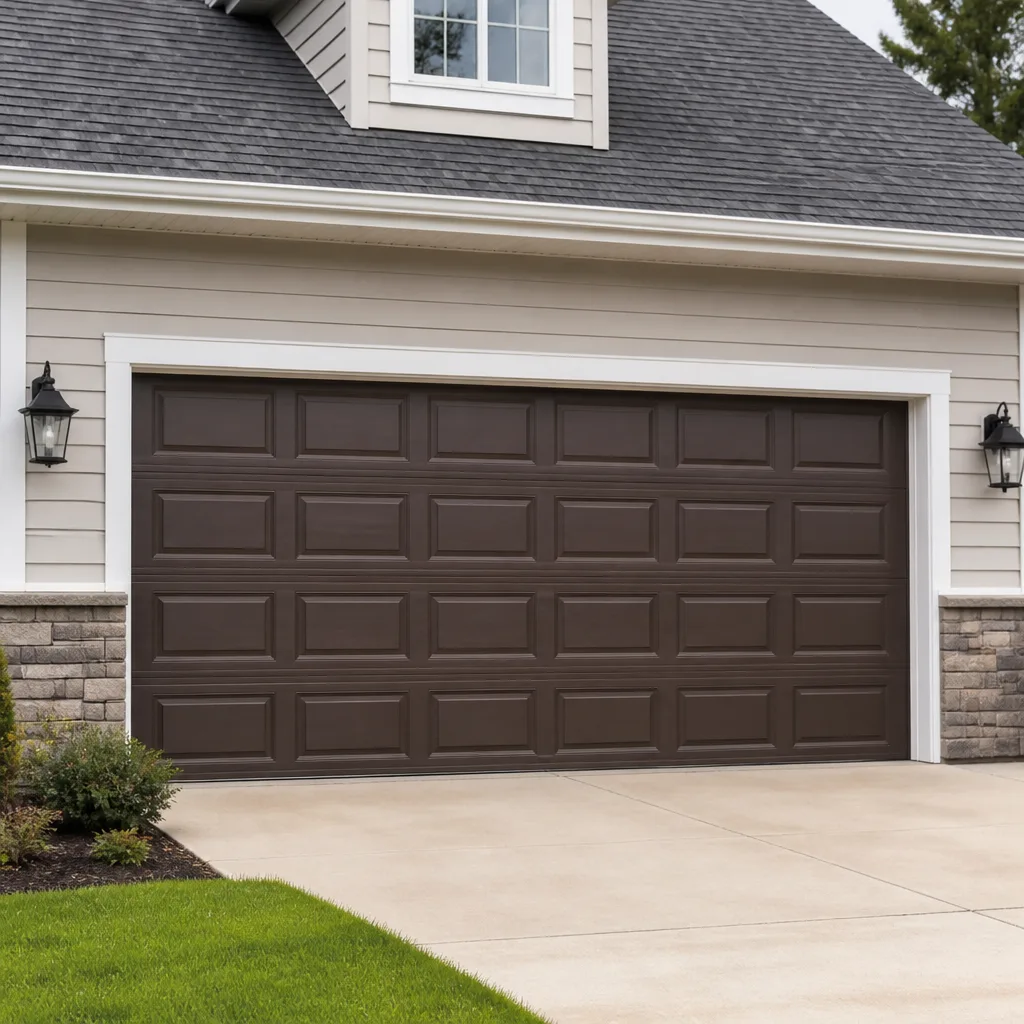 Raised-panel steel
 Carriage house
 Modern flush
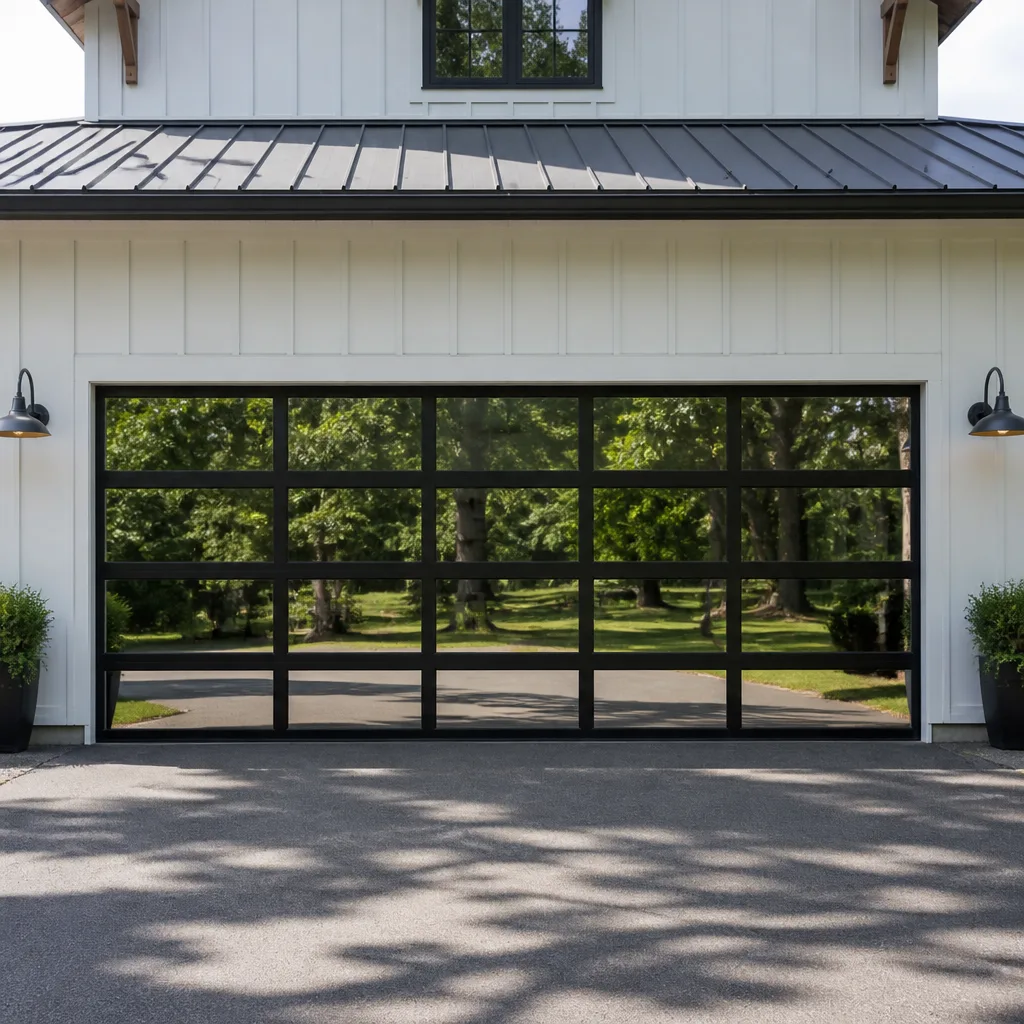 Full-view glass
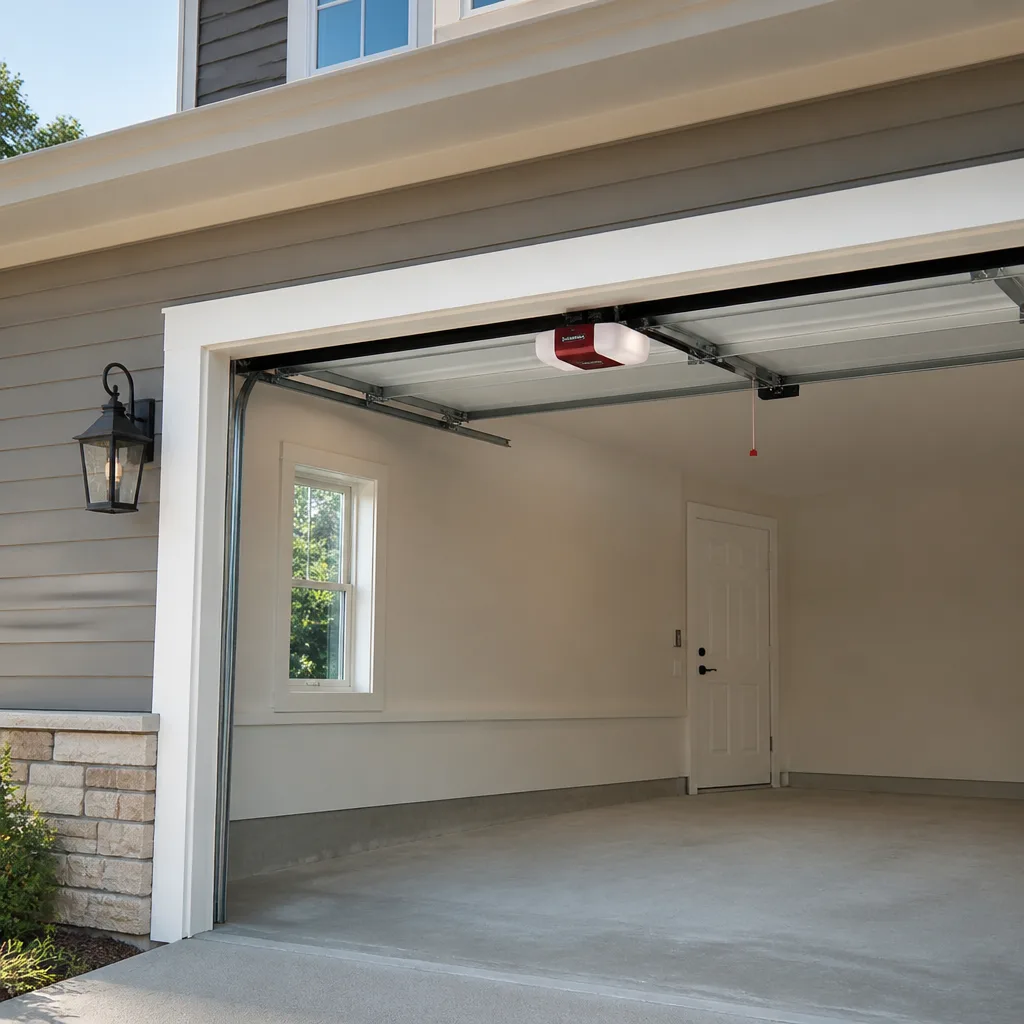 LiftMaster openers
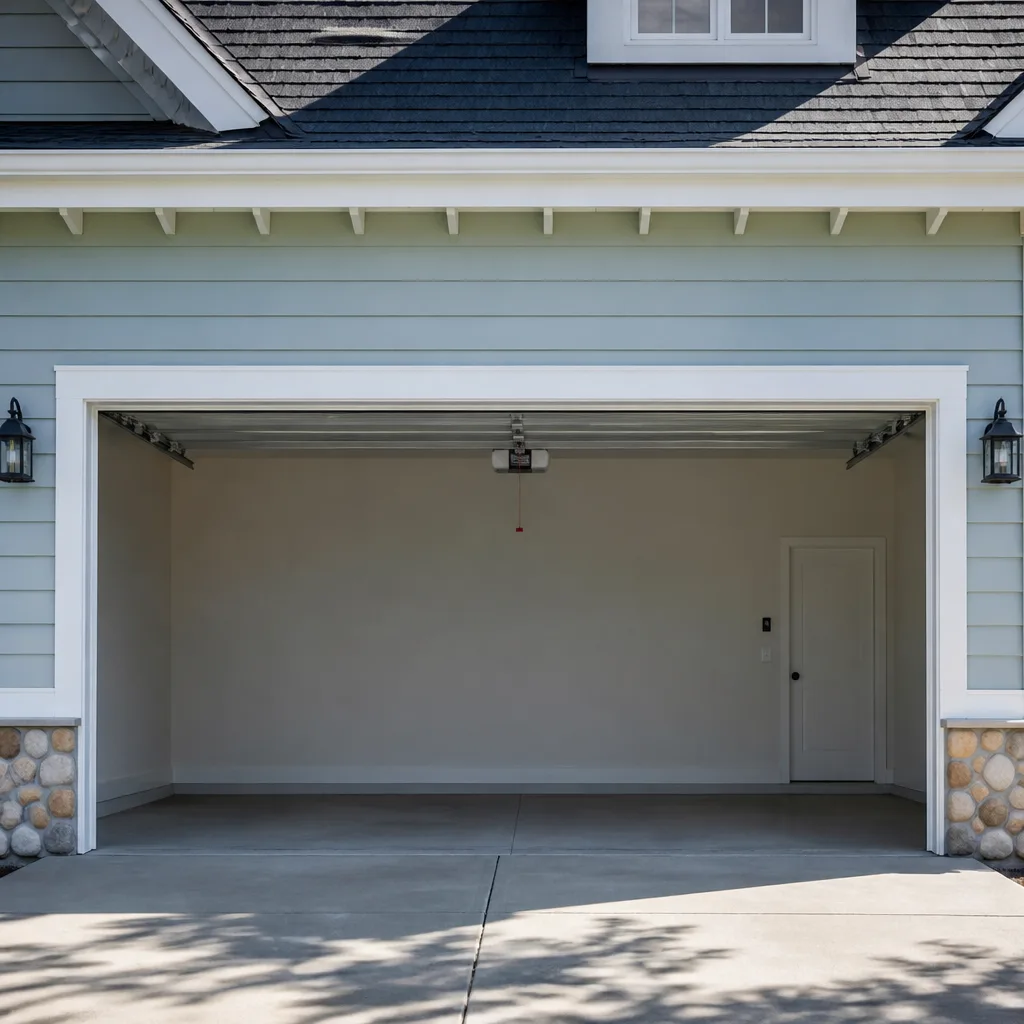 Chamberlain openers
Full 25-point door and opener safety check with every visit - springs, cables, rollers, tracks, and your LiftMaster or Chamberlain opener included
You get a price before we start. It does not change when the pro arrives.
Get your free estimateGarage Door Warning Signs: A University City Homeowner’s Reference Guide
There are four different components on a garage door that can produce a grinding noise, and each one needs a completely different fix. That’s the problem with most warning-sign guides: they treat “it makes a noise” as if it were a diagnosis. It isn’t. A grinding door could be a dry torsion bearing, a worn roller, a bent track, or an opener gear case running dry, and guessing wrong costs you money. This guide connects each thing you can hear and see to the specific part that’s likely failing, so when you talk to a technician in University City you can say “the door pops when it opens” instead of “something’s off.”
Quick Answer
The most serious garage door warning signs are a snapped torsion spring (a loud bang and a door that won’t lift), a door that reverses before it closes, and any visible fraying or slack on the lift cables. Those three mean stop using the door and call a professional. Slower signs like squealing, rattling, or an opener that hesitates can usually be watched for a short time but should still be inspected.
Styles & brands we work with
- Raised-panel steel
- Carriage house
- Modern flush
- Full-view glass
- LiftMaster openers
- Chamberlain openers
Table of Contents
- What Each Sound Tells You: Grinding, Squealing, Popping, and Rattling
- Visual Signs of Spring Wear You Can Safely Check
- Cable Problem or Roller Problem? How to Tell From Inside the Garage
- Opener Behavior Patterns and What They Mean
- The Three Signs That Mean Stop Using the Door Immediately
- How University City Weather and Housing Shape Wear
- Warning Signs That Allow Monitored Use
- How to Describe a Problem Accurately to a Technician
What Each Sound Tells You: Grinding, Squealing, Popping, and Rattling
Sound is the earliest diagnostic tool you have, and it’s free. The trick is that different noises come from different depths in the door system. A squeal is usually at the surface (rollers and hinges), while a pop is usually deep in the torsion assembly. Here’s how we map them.
- Grinding points to metal-on-metal contact. The usual suspects are a dry torsion bearing, a roller that’s seized and dragging along the track, or the opener’s gear case. If the grinding only starts when the opener runs and the door is barely moving, lean toward the opener. If it tracks evenly as the door travels, look at rollers and bearings.
- Squealing is high-pitched and rhythmic, and it typically tracks how fast the door is moving. Worn nylon or steel rollers and dry hinges are the usual cause. This is the least urgent noise but the easiest to let worsen into roller flat-spotting.
- Popping is the one to respect. A single sharp pop at the start of a lift, or a series of pops as the door rises, often means a torsion spring has broken or a cable has jumped a drum. A popping door can still appear to work briefly, which is why it gets ignored.
- Rattling is loose hardware: hinge bolts, the curtain of a sectional door, or the opener rail vibrating. It’s usually a tightening and lubrication issue, not a failure.
If you hear a pop and then the door won’t open, do not force it. That’s the moment to call a technician with real spring experience, and our garage door spring repair service exists exactly for that call.
Visual Signs of Spring Wear You Can Safely Check
Springs sit under extreme tension, so everything here is a look-only check. Never touch a spring, never try to tighten it, and never test it with a tool. Stand back and observe.
There are two spring types on most residential doors. A torsion spring is the horizontal coil mounted on a shaft above the door. An extension spring runs along the horizontal track on each side. Each has its own tell.
- A visible gap in a torsion spring. Look along the coil for a clean separation between two sections. A gap of any width means the spring has broken.
- Stretched or elongated extension springs. Compare the two springs. If one is noticeably longer and looser than the other, it’s fatigued even if it hasn’t snapped.
- Rust streaks or clean spots on the coil. Corrosion points to wear, and a shiny spot where paint has flaked off is a stress point.
- A door that feels very heavy if you lift it with the opener disengaged. A well-balanced door lifts with modest effort. A door that fights you suggests lost spring tension.
- An opener that runs but the door doesn’t move easily. That’s often a spring that’s failed while the opener is straining against the full door weight.
Springs are the safety-critical heart of the door. Our technicians have up to 9 years of experience working torsion and extension springs under load, and we treat spring work with the caution it deserves. Spring repair is not a DIY job, and a failed spring is one of the fastest reasons to book garage door repair rather than wait it out.
Cable Problem or Roller Problem? How to Tell From Inside the Garage
A stuck or crooked door usually comes down to either cables or rollers, and the two feel similar at the door but look different from inside. A few focused observations separate them quickly.
Cable signs
- The door hangs crooked, one side lower than the other.
- A cable is visibly frayed, kinked, flattened, or off the drum.
- You see slack cable lying against the door or dangling along the track.
- A loud snap or pop was heard before the problem started.
Roller and track signs
- The door travels stiffly or drifts side to side as it moves.
- A roller is out of its track, or a wheel is cracked, flat-spotted, or wobbling.
- The track is bent, dented, or loosened from a bump.
- The door binds at the same point every time, but doesn’t hang crooked.
Cables are under high tension and should never be adjusted by a homeowner. Inspect with your eyes from a safe distance, note what side and what component looks wrong, and let a technician handle the correction. When we arrive for garage door opener repair calls, a quick cable and roller inspection is part of the routine so you get the right fix, not the easy one.
Opener Behavior Patterns and What They Mean
Openers fail in patterns, and those patterns are surprisingly diagnostic. Most of the doors we see around University City use a handful of makes: LiftMaster, Chamberlain, Genie, and older Craftsman units. Each one has a few habits worth knowing.
Hesitation at the start of travel
An opener that clicks, pauses, then moves is often fighting a bind. The bind could be a worn roller, a misaligned track, or a door that’s lost spring tension. If the door is well balanced and the opener still hesitates, suspect the opener’s internal gear or logic board.
Reversal before closing
The door starts down and returns without reason. This is almost always a safety-sensor issue: misaligned sensors, dirty lenses, or an obstruction the sensor sees. On a LiftMaster or Chamberlain unit, a blinking indicator light on the motor housing usually points to the sensor circuit.
Slow movement or dimming lights
On a Genie or older Craftsman model, slow travel with lights dimming often indicates a failing capacitor or a strained motor. If the door is properly balanced, a slow opener is an opener problem, not a door problem.
Remote or keypad stops responding
If the wall button works but the remote doesn’t, the issue is usually the remote battery or a lost connection. If nothing works, check the breaker and the toggle before assuming a new unit. When the opener itself is the culprit, our team services the app-connected systems too, and we’ll tell you whether a repair makes sense or a replacement is the honest call.
If you’re unsure which of those patterns you’re seeing, calling a technician early beats guessing. If opener diagnostics are what you need, our Garage Door Repair University City service is the right place to start.
The Three Signs That Mean Stop Using the Door Immediately
Not every warning sign means stop, which is exactly why the stop ones matter. These three are non-negotiable. Stop using the door, leave it in place, and call a professional.
- A broken torsion spring. If the coil is separated or the door won’t lift, the spring has failed. Running the opener against a broken spring can damage the door and the opener, and the tension risk is real. Keep people clear.
- A frayed, slack, or off-drum cable. A cable under load is dangerous. If you see standing cable slack or a visibly damaged cable, don’t cycle the door.
- Repeated reversal or a door that won’t close. If the door won’t close, or the safety system reverses it repeatedly, don’t try to force it closed. A door acting unpredictably is a hazard for anything or anyone in the path.
For any of these three, our emergency garage door service is built for the can’t-wait situation. Call (866) 787-1709. We answer 24/7. Fast dispatch from 7am to 7pm, Sunday through Friday.
How University City Weather and Housing Shape Wear
Garage doors live outside, so local conditions matter more than most homeowners realize. The St. Louis region where University City sits swings hard between humid summers and cold winters, and those swings work the door constantly.
- Humidity and temperature swings expand and contract wood and steel. That seasonal movement loosens hinge bolts, shifts tracks, and stresses springs.
- Winter cold stiffens lubricants, so a door that ran quietly in October can start groaning in January.
- Older housing stock is common across University City neighborhoods like University City’s older blocks near the Loop and along Delmar, where doors and openers are often original equipment from decades of use.
- Seasonal storms bring wind and debris that can tweak a track or jam a roller.
A quick visual check in fall and spring catches most of these shifts. If you’re not sure how your door is holding up, our garage door repair page outlines what a professional inspection covers.
Warning Signs That Allow Monitored Use
Some signs aren’t emergencies, but they aren’t ignore-friendly either. These allow monitored use: watch, note changes, and schedule a technician before they get worse.
- Regular squealing. Usually a lubrication and roller issue. Watch for progression.
- Rattling on travel. Loose hardware that’s a tightening job.
- An opener that hesitates but still reverses correctly. Note the timing and watch for stall.
- A single slow spot in the travel. Could be a roller binding at one point.
- Cosmetic panel dents or rust. A visual concern more than a mechanical one, unless it strains the track.
Monitoring means keeping a short note of the sound and the spot in travel. That note is the most useful thing you can hand a technician, because it turns “it makes a noise” into “it grinds three seconds after the door starts up.”
How to Describe a Problem Accurately to a Technician
The single biggest reason a repair takes longer than expected is a vague description. When you call, a few details get you a faster diagnosis and a firmer estimate.
- Name the symptom. “The door pops when it starts up” beats “it’s acting weird.”
- Note when it happens. At the start, mid-travel, or at the close. Timing often points to the component.
- Say what you can see. Spring gap, crooked hang, slack cable, loosened track.
- Name the opener brand and model if you can read it. Brand knowledge shortens the parts guesswork.
- Say whether the door lifts by hand. A heavy door tells the technician about balance and springs before they arrive.
We handle LiftMaster, Chamberlain, Genie, and Craftsman openers, plus doors from the major makers, so the brand on your door is one we already know. That means the first visit is more likely to be a real repair, not a return trip for parts.
Common Mistakes to Avoid
- Forcing a door that has a broken spring. Running the opener against a dead spring can bend the door and damage the opener, turning a spring job into a bigger one.
- Adjusting cables or springs yourself. These parts sit under high tension. A homeowner adjustment is a real injury risk, and the fix should stay with a trained technician.
- Greasing everything in sight. Too much lubricant attracts dust and grit that wears rollers faster. Less is more, and it goes on the right spots.
- Ignoring a reversal. A door that reverses repeatedly is a safety issue. Never force it closed or bypass the reversed sensor.
- Treating “it’s old” as the diagnosis. Age isn’t a diagnosis, and a technician needs the symptom, not the age, to know which component to fix.
- Buying a new opener when the door is the problem. A slow or noisy door with a balanced door and a healthy spring points at the door, not the opener. A good diagnosis stops a needless sale.
- Letting small noises run for months in seasonal swings. St. Louis humidity and cold winters give a small issue time to grow into a bigger repair if left alone through a season change.
See the difference
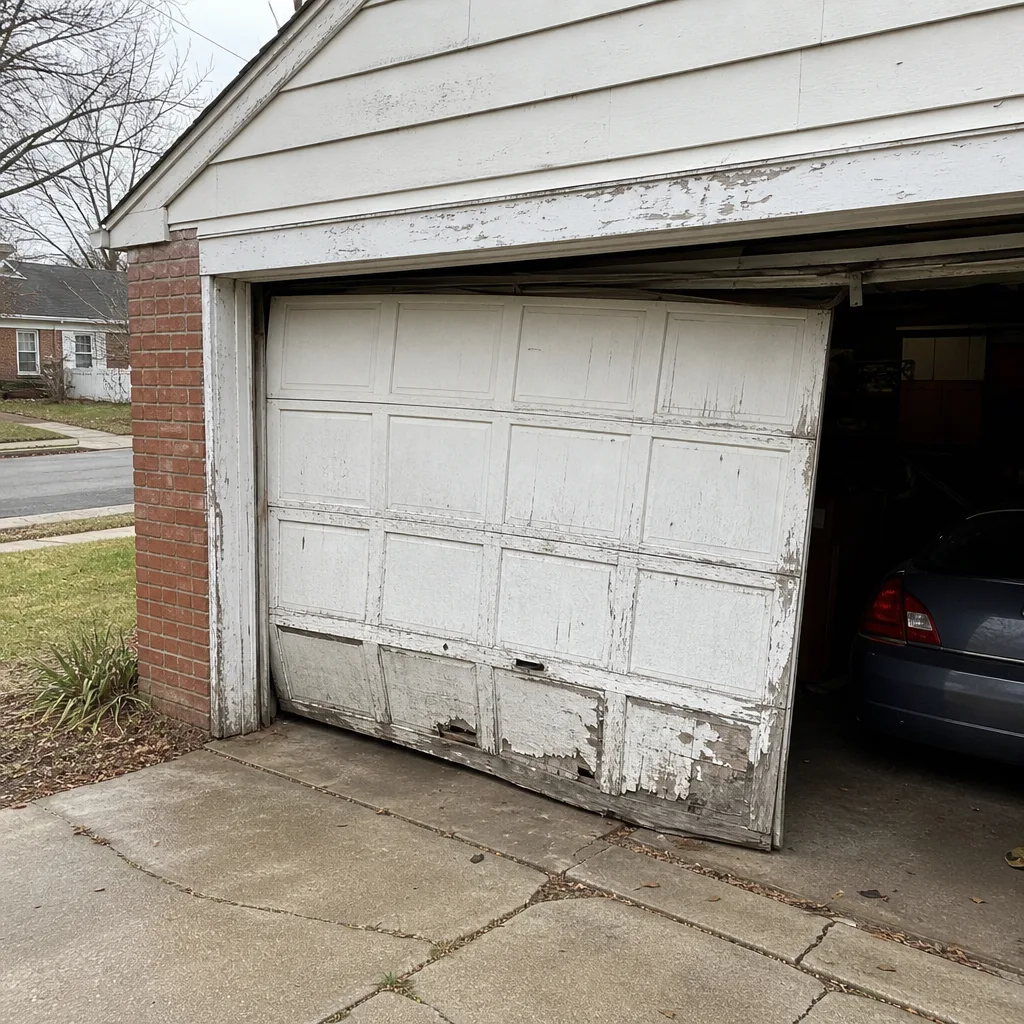 Before
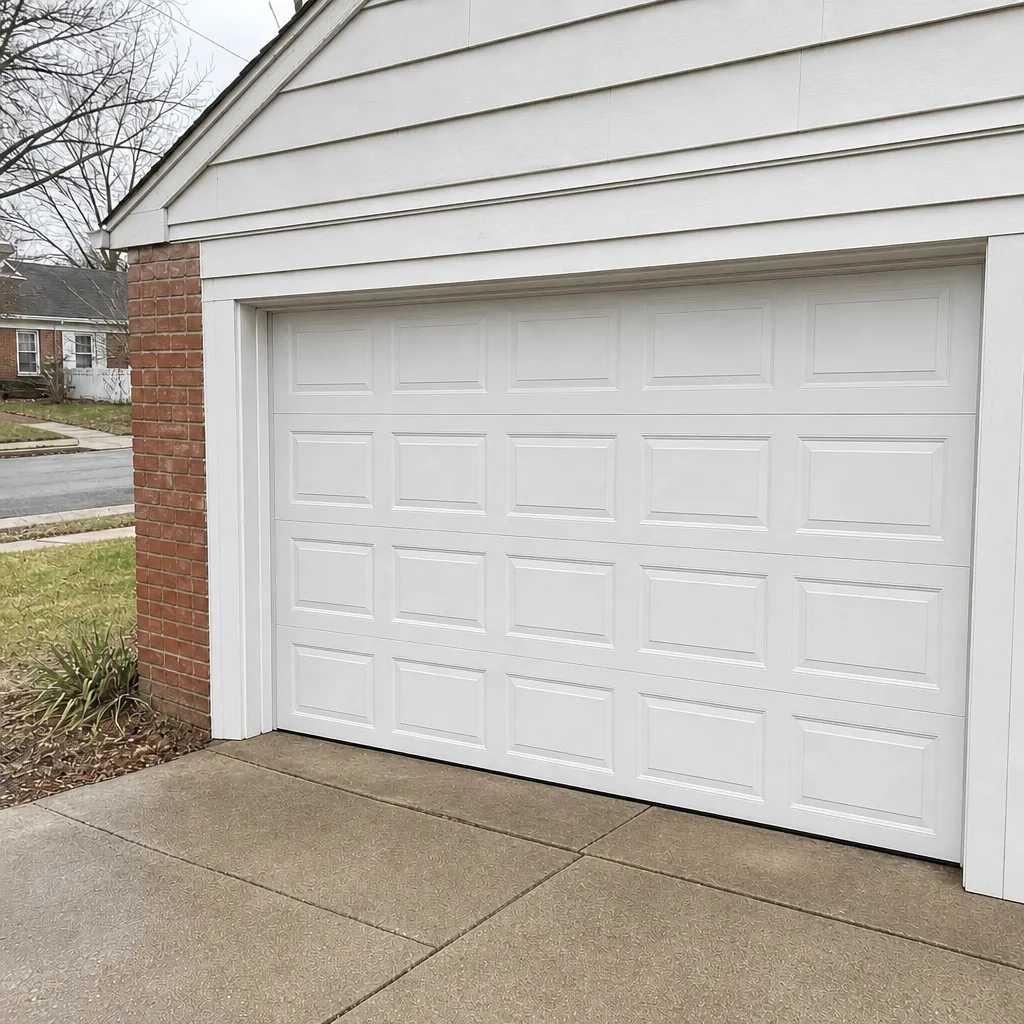 After
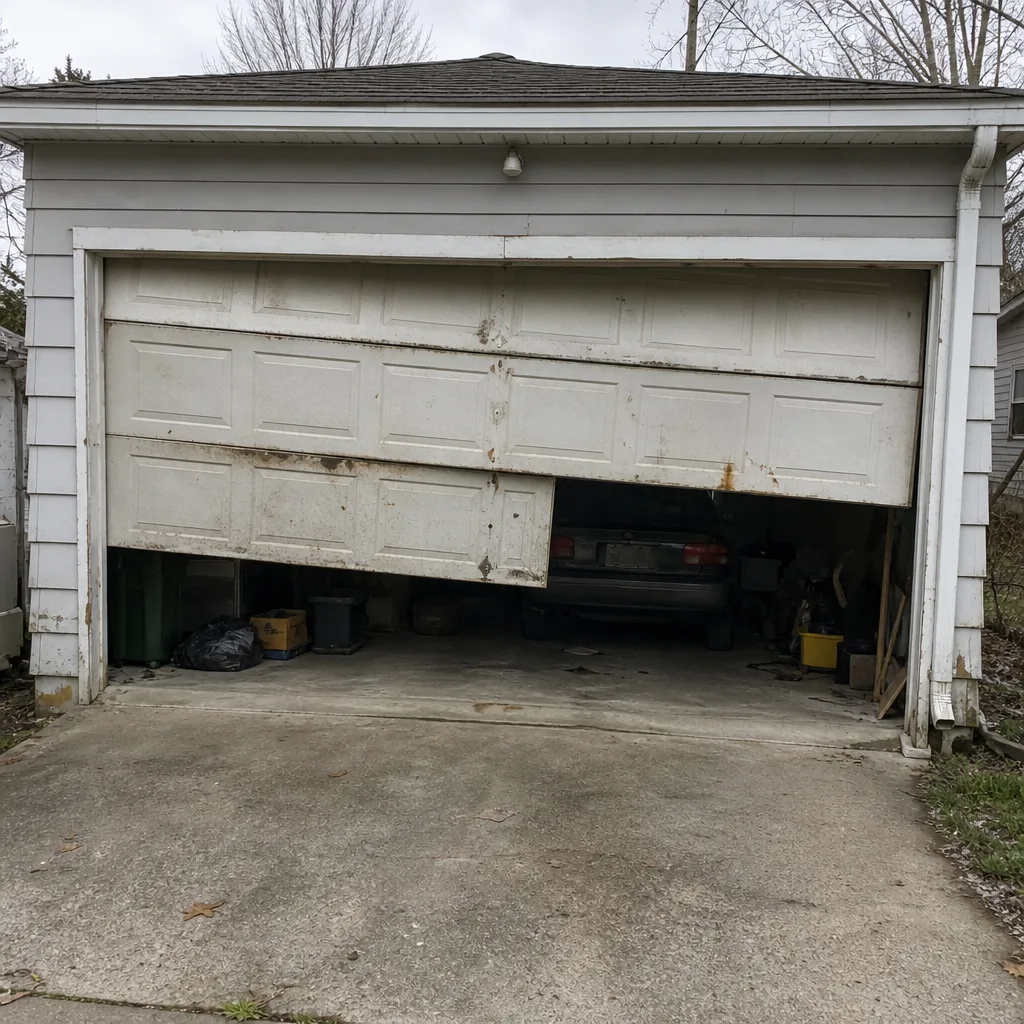 Before
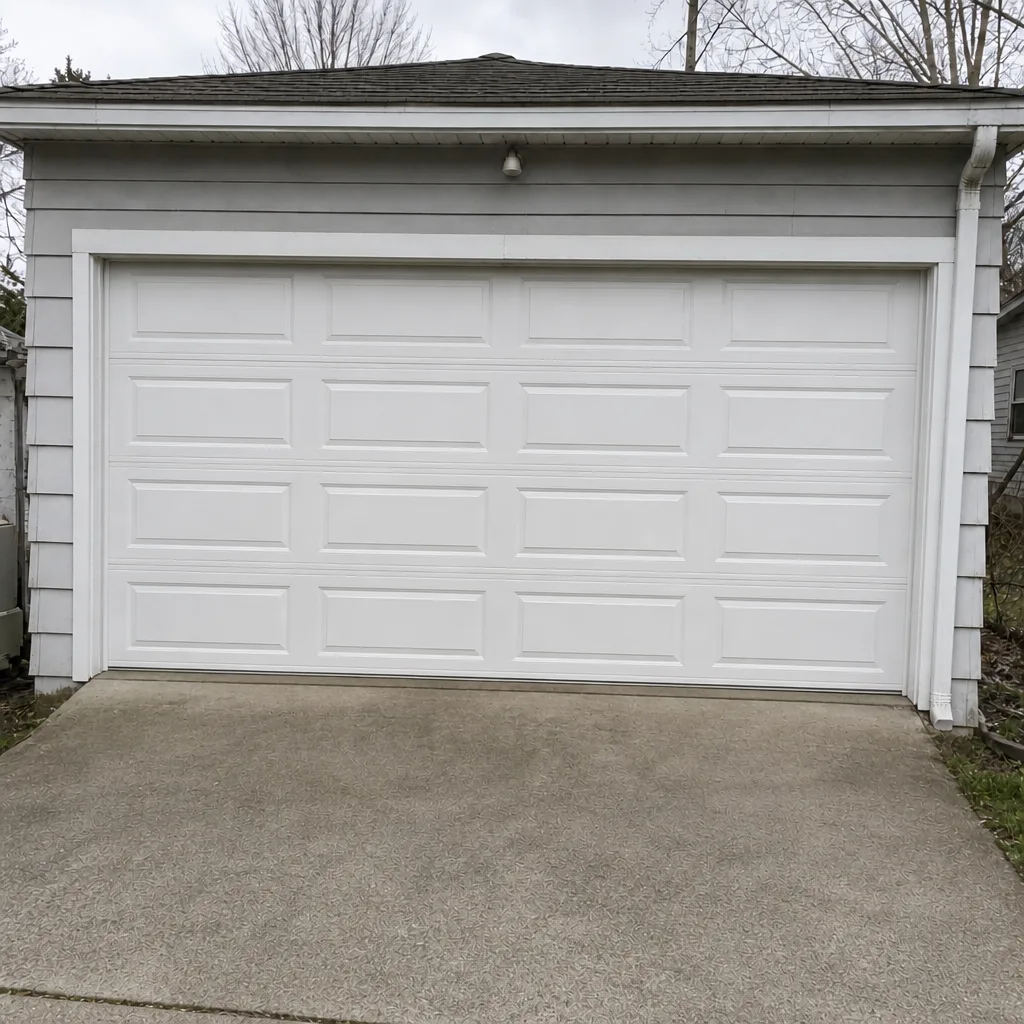 After
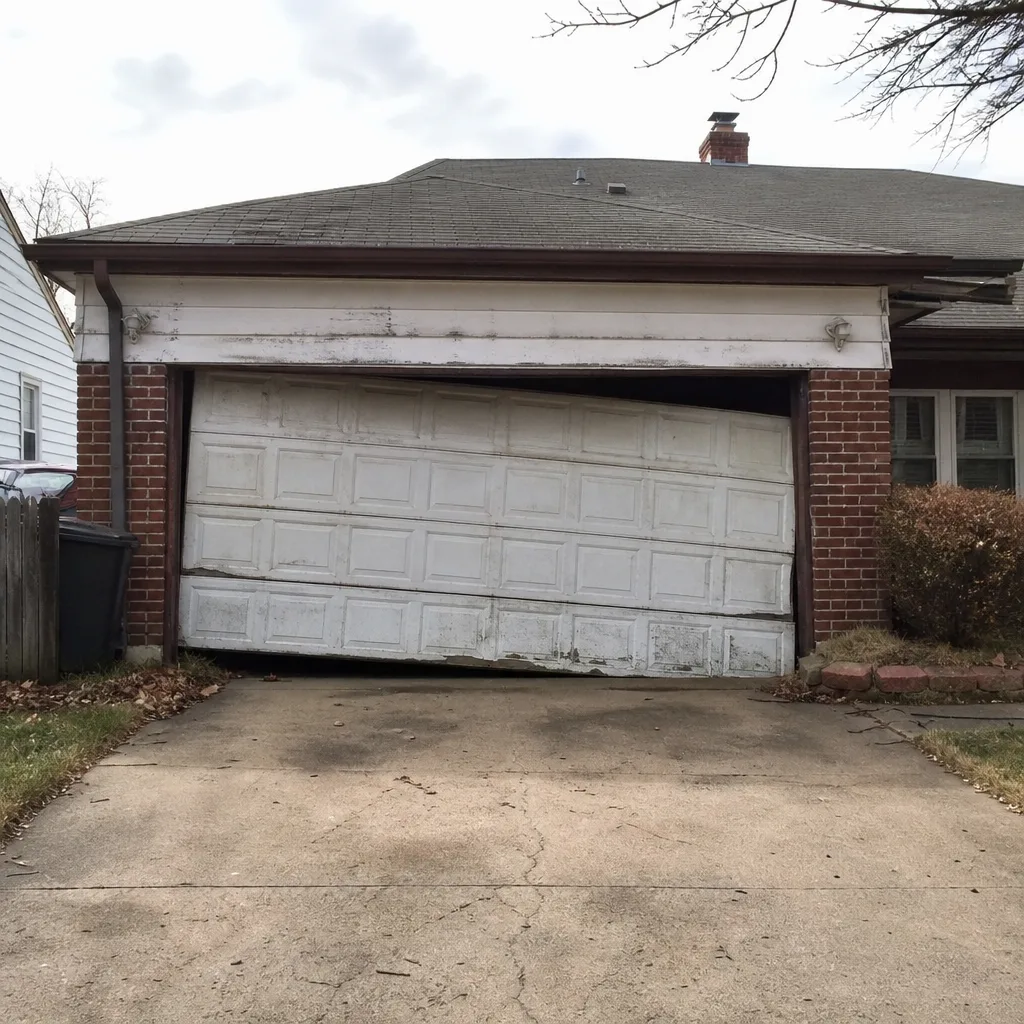 Before
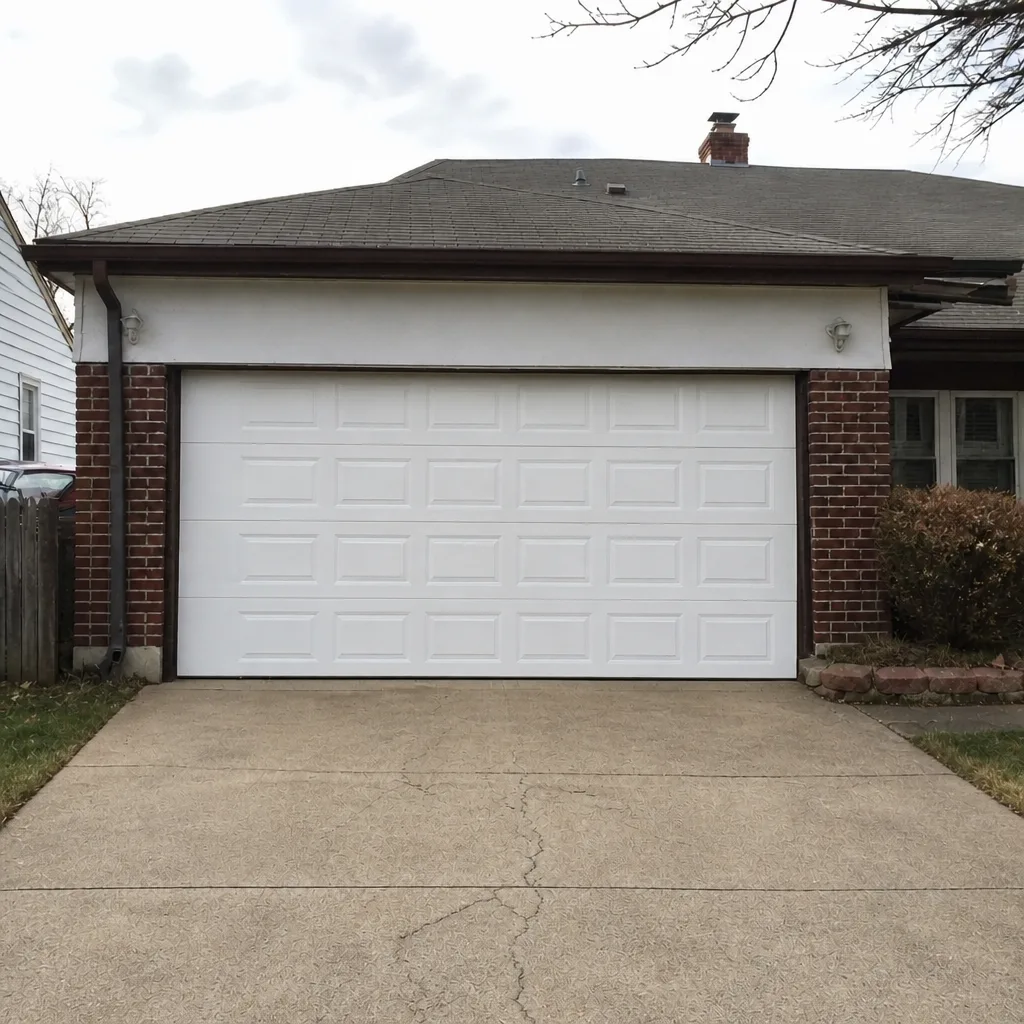 After
When to Call a Professional
Call a technician when you see a spring gap, a crooked hang, a slack or frayed cable, or any of the three stop signs above. Call when the door reverses without reason, when the opener hesitates, or when a noise settles into a pattern that repeats. If you’re not sure which component you’re dealing with, call and describe the sound and the moment; we’ll tell you what it sounds like from our side. Garage Door Repair University City offers free estimates in University City. Call (866) 787-1709.
Frequently Asked Questions
The three that mean stop using the door are a broken torsion spring, a frayed or slack cable, and a door that reverses repeatedly or won’t close. A popping sound followed by a door that won’t lift points to a broken spring. Call (866) 787-1709 for an exact quote; estimates are free.
Yes, from a distance. Look for a visible gap between two sections of a torsion spring, or an extension spring that’s noticeably longer and looser than its partner. Rust streaks or shiny spots on the coil are also signs of wear. If you see any of these, call a professional before using the door.
Grinding usually means metal-on-metal contact, from a dry torsion bearing, a seized roller, or the opener’s gear case. Listen for whether it starts at the beginning of travel or tracks evenly as the door moves, which helps narrow the cause. Call (866) 787-1709 for an exact quote; estimates are free.
Yes, we offer same-day service for repair calls and emergency issues like a broken spring or a stuck door. Call (866) 787-1709. We answer 24/7. Fast dispatch from 7am to 7pm, Sunday through Friday.
No. The written estimate sets the price, and we agree it before any work starts. Your written estimate is the number that applies. Call (866) 787-1709 for an exact quote; estimates are free.
Yes. We service LiftMaster, Chamberlain, Genie, and Craftsman openers, plus doors from major makers like Amarr and Raynor. Brand knowledge shortens the parts guesswork and makes a real repair more likely. Call (866) 787-1709 for an exact quote; estimates are free.
The Bottom Line
Most warning-sign guides describe symptoms without telling you what’s actually failing. This one maps each sound and sight to the component behind it: grinding to bearings and rollers, squealing to hinges and wheels, popping to springs and cables, and opener hesitation to the unit itself. Keep the three stop signs in mind: a broken spring, a damaged cable, and a reversing door. Watch the slow signs. Describe the symptom precisely when you call. In University City, where the seasonal swings work on every door, that habit is what turns a repair into a quick fix instead of a bigger problem.
Call (866) 787-1709 for a free estimate. We answer 24/7. Fast dispatch from 7am to 7pm, Sunday through Friday.
Written by the team at Garage Door Repair University City.