
Last updated November 23, 2026
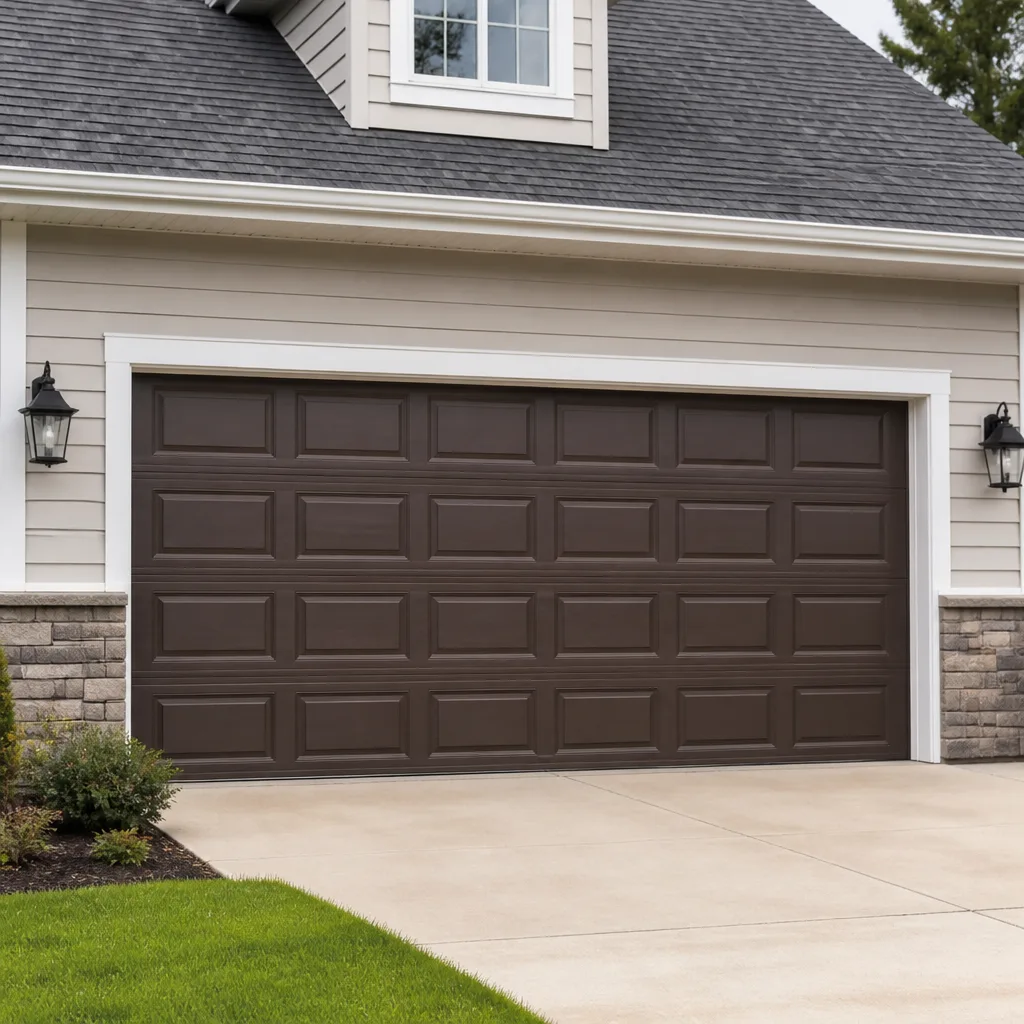 Raised-panel steel
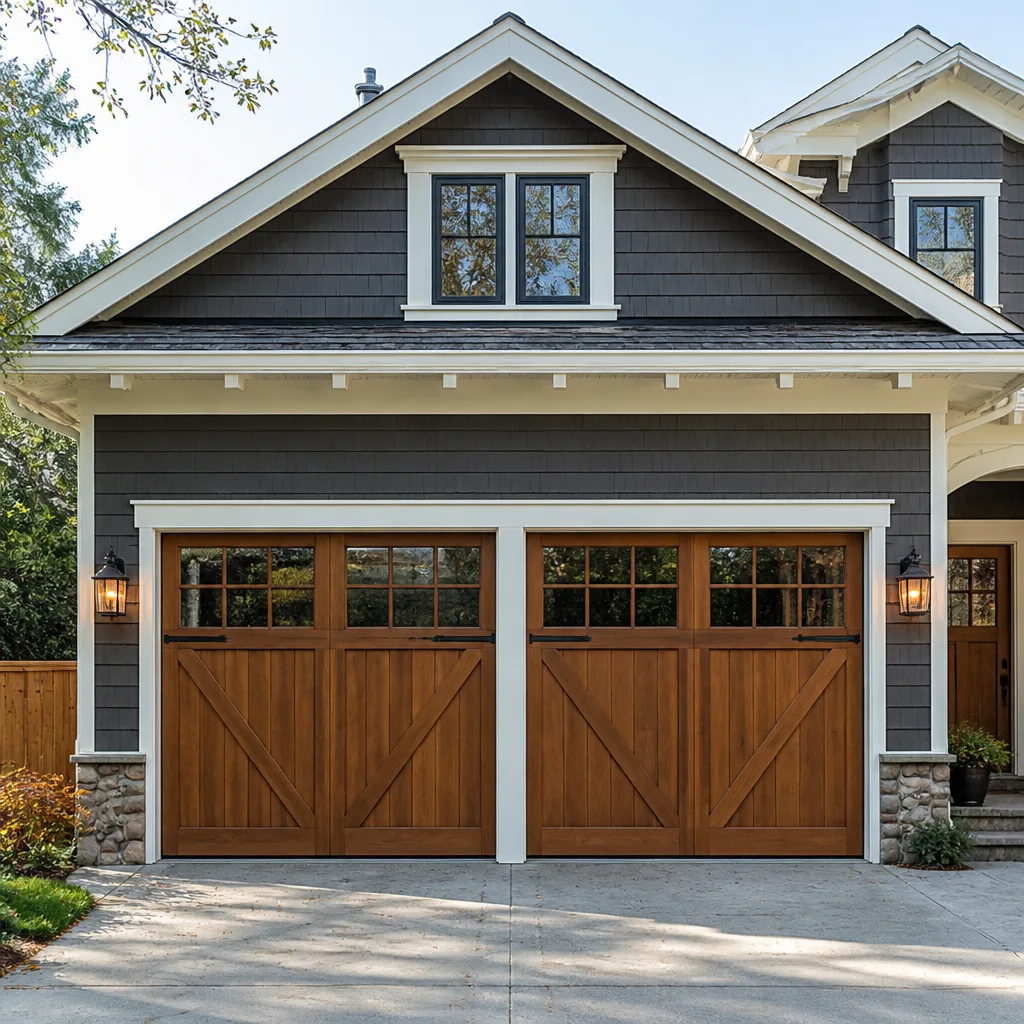 Carriage house
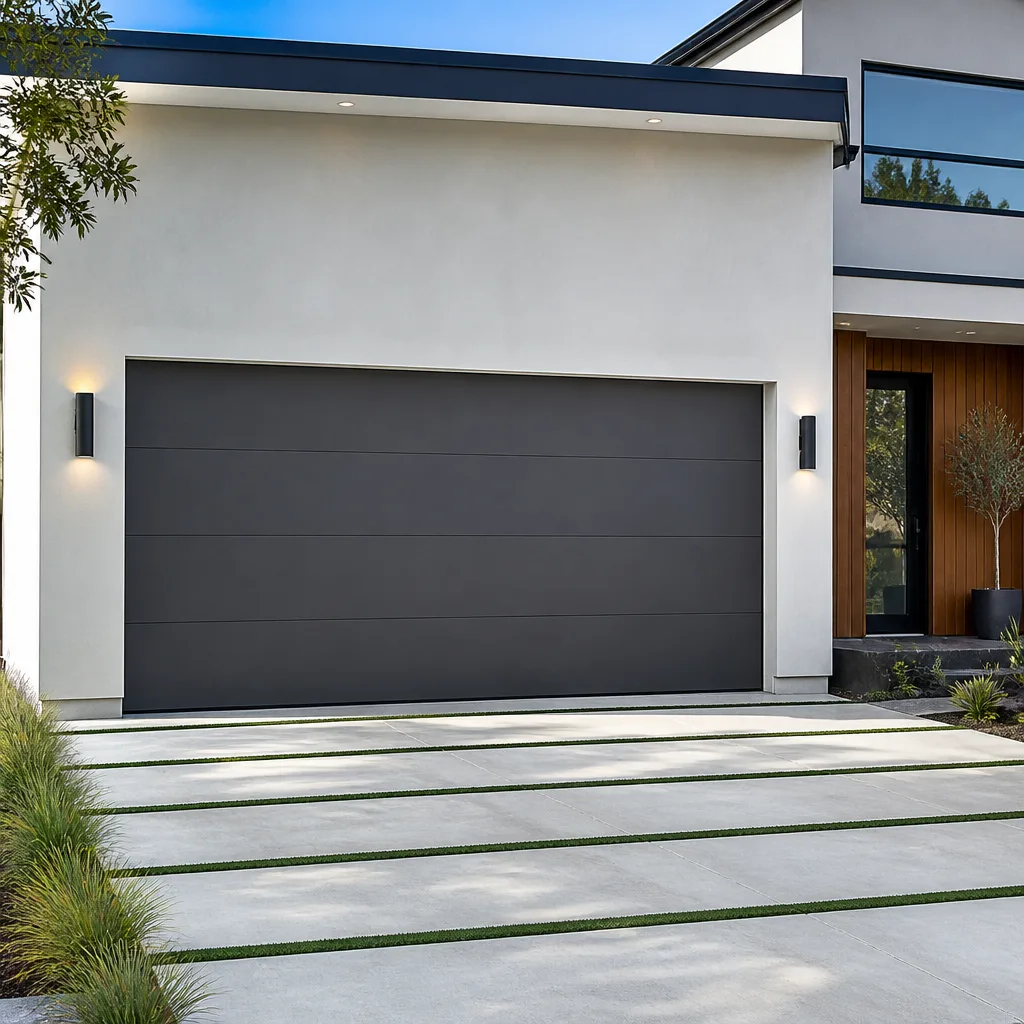 Modern flush
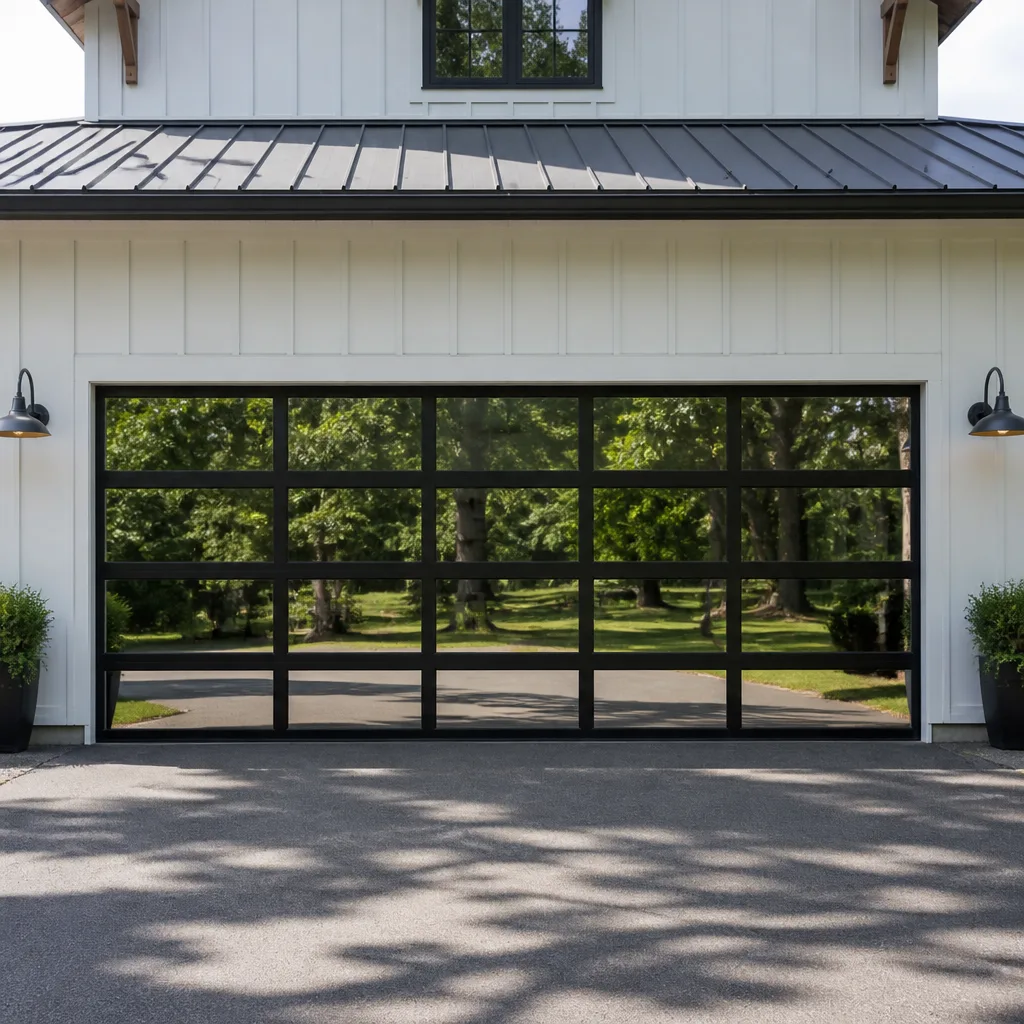 Full-view glass
 LiftMaster openers
 Chamberlain openers
Full 25-point door and opener safety check with every visit - springs, cables, rollers, tracks, and your LiftMaster or Chamberlain opener included
You get a price before we start. It does not change when the pro arrives.
Get your free estimateGarage Door Cost Breakdown: The University City Homeowner’s Reference for 2026
When a quote says “$1,400 installed,” you have no idea if the springs, opener, panels, and labor are priced fairly or if one line item is quietly absorbing a 40% markup. Most garage door pricing guides make this worse by giving a single vague range and moving on. That tells you nothing about which part of the invoice is negotiable and which isn’t. This reference breaks the cost down the way a technician sees it: part by part, brand by brand, and job type by job type. By the end, you’ll be able to read a University City garage door quote and know exactly where the money is going.
Quick Answer
Garage door costs in University City break into three buckets: repairs (typically the smallest, driven by parts like springs, cables, and rollers), opener work (mid-range, driven by brand and connectivity), and full door replacement (the largest, driven by door material, size, and installation labor). A single torsion spring replacement and a full steel door swap aren’t in the same universe price-wise, so the only honest way to budget is to price each component separately. The written estimate you get on site sets the final number, and that price is quoted and agreed before any work starts.
Styles & brands we work with
- Raised-panel steel
- Carriage house
- Modern flush
- Full-view glass
- LiftMaster openers
- Chamberlain openers
Table of Contents
- Part-by-Part Cost Breakdown
- Labor Rates in University City and What Drives Variability
- Steel vs. Aluminum vs. Wood Composite vs. Fiberglass
- Where the Real Markup Lives in an Installation Quote
- Cost Scenarios for University City’s Most Common Jobs
- Opener Costs by Brand and Feature
- How to Read a Garage Door Quote Line by Line
- Common Mistakes to Avoid
Part-by-Part Cost Breakdown
This is the section most cost guides skip. Every garage door is a mechanical system made of the same handful of wear parts, and each one has its own price. Knowing them separately is how you tell a fair quote from an inflated one. When a technician quotes you a repair, ask which parts are included and which are being replaced versus reused.
- Torsion springs – The most safety-critical part on the door. A torsion spring is under extreme tension and stores the energy that lifts the door. In the University City market, a single torsion spring replacement typically runs in the low-to-mid hundreds, with a matched pair costing roughly twice a single spring because both are usually replaced together. Never compare a one-spring price to a two-spring job.
- Extension springs – Common on older doors, and priced per pair. Because they’re under constant tension and often lack a safety containment cable on older installs, we always check for that cable during the job.
- Cables – Sold and replaced in pairs. A frayed or kinked cable is a sign the spring system is out of balance, so cable replacement is often paired with spring work.
- Rollers – The cheapest line item on most repairs. Standard steel rollers wear and get noisy; nylon rollers are quieter and last longer. Replacing all the rollers at once is usually the best value.
- Panels – Priced per section and by material. A single damaged bottom panel is a fraction of a full door replacement, but panel availability depends on whether the door’s make and model are still in production, which is where brand knowledge matters.
- Openers – Priced by motor type, brand, and whether it’s a belt, chain, or screw drive. A basic unit and a WiFi-connected smart opener are different line items.
- Hinges and bearings – Small parts that add up in a full tune-up. Cheap individually, meaningful in total.
The takeaway: any quote that bundles everything into one number without itemizing parts is a quote you can’t evaluate. Ask for the breakdown. A technician who knows the system will give it to you without hesitation.
Labor Rates in University City and What Drives Variability
Labor is where University City quotes diverge most. Two companies can quote the same parts at similar prices and still land hundreds of dollars apart on the job, because labor isn’t a flat rate. It’s a function of job complexity, door condition, and how long the work honestly takes.
St. Louis County labor norms sit in a middle band nationally. This isn’t a high-cost metro where you should expect the labor line to be the dominant cost on a simple repair, but it isn’t a rural market either. What drives variability in University City specifically comes down to a handful of factors:
- Door condition. An older door with rusted hinges, a bent track, or a worn bottom seal takes longer to work on than a door that’s been maintained. Labor reflects that.
- Access and clearance. A tight one-car garage with limited headroom is harder to work in than an open two-car bay. Standard-height ceilings are faster; low-clearance setups require different hardware and more time.
- Brand and part availability. A door from a brand your technician already knows how to diagnose moves faster than one they have to reverse-engineer. This is where being factory-familiar with brands like Amarr, Wayne Dalton, Craftsman, and Raynor pays off: the right parts and techniques, not workarounds.
- Project type. Spring repair and opener repair are quick, contained jobs. Full door installation is a measured, ordered, scheduled project with a different labor curve entirely.
- Local housing stock. University City has a mix of older homes with original doors and newer builds with modern systems. Both are common, and each calls for different troubleshooting.
Ask the technician to explain what’s driving the labor on your specific job. A clear answer is a good sign. Vague hand-waving is not.
Steel vs. Aluminum vs. Wood Composite vs. Fiberglass
If you’re replacing the door itself, material is the single biggest cost lever at the same size. A two-car garage opening is a two-car opening regardless of material, but the door that fills it can range widely in price based on what it’s made of and how it’s built. Here’s how the four common materials compare for University City homes, which face real seasonal swings from humid summers to cold winters.
- Steel – The most common choice and usually the most cost-effective. Steel doors handle the St. Louis area’s temperature swings well, come in a wide range of styles, and resist denting reasonably. The trade-off is that untreated steel can rust over time if the finish fails, so inspecting the bottom edge matters.
- Aluminum – Lighter than steel and naturally rust-resistant. It’s a good fit for full-view or glass-panel designs. Aluminum dents more easily than steel, so it’s a different kind of durability, not a better one.
- Wood composite – The premium-look option. Composite doors mimic the warmth and character of real wood without the same maintenance burden, and they’re popular on University City’s older homes where a modern steel door would look out of place. Higher cost, but the visual match can be worth it.
- Fiberglass – Lightweight, doesn’t rust, and holds up well against moisture. Often chosen for coastal-style or carriage-house looks. Can be more expensive than steel but less than premium composites.
At the same size, expect steel at the low end, fiberglass and aluminum in the middle, and wood composite at the top. The gap between the cheapest steel door and the most expensive composite is significant, so decide on material before you compare quotes, or you’ll be comparing different products.
Where the Real Markup Lives in an Installation Quote
Here’s the part most homeowners never see. In a full door installation quote, the markup is rarely on the door itself. It’s usually hidden in one of three places, and knowing them lets you ask better questions before you sign.
- The opener add-on. Quotes often bundle a new opener into the installation, sometimes at a premium. Openers are a discrete product with known prices, so ask for the opener quoted separately, even if you end up buying it together. That one line tells you a lot about the rest of the quote.
- Hardware and track. Some quotes list the door and labor but treat hinges, rollers, and track as an extra. A reputable install quote should be clear about whether standard hardware is included or whether it’s a separate line. Ambiguity here is where surprises come from.
- The “remove and haul away” line. Disposal of the old door is real work, but it should be a clearly labeled cost, not folded into a fuzzy labor number. If it’s not itemized, ask.
The honest rule: a fair installation quote shows the door as one line, the hardware as another, labor as a third, and disposal as a fourth. If everything is one number, you can’t see which part is doing the heavy lifting on price. Ask for the breakdown, and read it before you agree. Remember that installation is a measured, ordered, scheduled project. The right process is a free measure and a written price, not a same-day promise.
For the repair side of the equation, our garage door repair page covers what falls under a standard repair call versus a larger job.
Cost Scenarios for University City’s Most Common Jobs
Pricing guides get useful when they stop talking in ranges and start talking in situations. These are the three jobs we see most often in University City, described as typical scenarios so you can match your situation and budget accordingly. Every scenario ends the same way: the written estimate sets the price, agreed before any work begins.
Scenario 1: Single Spring Replacement
A broken torsion spring is the classic emergency. The door goes up partway and stops, or won’t open at all. This is a contained repair: one spring, sometimes a pair, and a balance check. It’s the most common job type and often the most straightforward to price. If your door has two springs and one breaks, we usually recommend replacing both together, so budget for a matched pair rather than a single spring. This is the job where garage door spring repair expertise matters most, because it’s the most safety-critical repair on the whole system.
Scenario 2: Full Door Swap
A full replacement happens when the door is beyond economical repair, when panel availability has run out for an older model, or when a homeowner is upgrading for looks and insulation. This is a measured, ordered, scheduled project with a written quote. Material, size, window count, and insulation rating all move the number. On University City’s older homes, matching the architectural style of the house often means going with a composite or carriage-house style rather than a plain steel panel, which raises the price but gets the curb appeal right.
Scenario 3: Opener Upgrade
Replacing an old opener with a modern one is a mid-range project. The cost depends on the brand, whether it’s chain, belt, or screw drive, and whether you want smart-home connectivity. If you’re moving from a basic unit to a WiFi-enabled opener from a brand like LiftMaster or Chamberlain, the difference is in the motor and connectivity, not the labor. If your current opener is failing rather than just old, garage door opener repair may be the better call before you replace.
For a broader look at the full range of work we handle, see our Garage Door Repair University City page.
Opener Costs by Brand and Feature
Openers are where brand knowledge pays off most for the homeowner. The motor, drive type, and connectivity are the three things that set the price, and each brand bundles them differently. Here’s how to think about the cost hierarchy without getting lost in specs.
- Drive type. Chain drive is the most economical and the loudest. Belt drive is quieter and usually costs a bit more. Screw drive sits in between. For a garage under a bedroom, belt drive is often worth the upgrade.
- Motor and lifting capacity. A single-car door needs less motor than a heavy two-car door. An undersized motor on a heavy door wears out faster, so the cheaper unit isn’t always the cheaper choice over time.
- Connectivity. Smart openers with app control and WiFi (common across LiftMaster, Chamberlain, Genie, and Craftsman) cost more than basic units. If you already use a smart home setup, the connected model saves you the add-on module.
- Safety features. Modern openers include safety reversal and photo-eye sensors. These aren’t optional extras; they’re required for safe operation and should be in every quote for a new unit.
When you get a quote for an opener, ask for the model number. A quote that names the brand and model is one you can verify. A quote that just says “new opener” is one you can’t.
How to Read a Garage Door Quote Line by Line
A garage door quote is only as good as your ability to read it. Here’s a simple method for evaluating any quote you receive in University City, whether it’s for a repair or a full installation.
- Check that parts are itemized. Springs, cables, rollers, and hinges should each appear as a line if they’re being replaced. If they’re bundled into “repair,” ask which parts are included.
- Confirm the door and opener are priced separately. Even on a full install, these are two products. A single combined number hides the markup.
- Look for the disposal line. Old door and old opener removal should be a clear line item, not an invisible one.
- Verify the brand is named. For repairs, the technician should name the brand they’re working on. For a new door or opener, the quote should name the model.
- Check that labor is one clear number. Labor should be stated, not implied. If it’s not there, ask what it is.
- Confirm the price is final. The written estimate is the price, and it’s agreed before any work starts. If the quote doesn’t say that, ask.
This isn’t about mistrusting every quote. It’s about having enough information to compare two quotes fairly. A quote that passes all six checks is one you can evaluate on price. A quote that fails them is one you can’t, no matter what the bottom line says.
Common Mistakes to Avoid
- Comparing a one-spring price to a two-spring job. Matched pairs are usually replaced together, and a pair costs roughly twice a single spring. If one quote is for one spring and another is for two, you’re not comparing the same work.
- Accepting a bundled install quote without itemization. A single number hides where the markup lives. Ask for the door, opener, hardware, labor, and disposal as separate lines before you decide.
- Treating the cheapest opener as the cheapest choice. An undersized motor on a heavy door wears out faster. Match the opener to the door, not to the lowest price tag.
- Choosing a door material before checking panel availability. If you’re repairing rather than replacing, the panel has to match the existing door. Brand knowledge matters here, whether it’s an Amarr or a Wayne Dalton door.
- Letting a spring or cable problem wait. A door with a broken spring or a frayed cable is under tension it wasn’t designed to handle. Spring repair is not a DIY job, and a door that’s forcing itself up is a door that can fail unpredictably.
- Ignoring the balance check. A repair that replaces a spring without rebalancing the door leaves the system working against itself. Ask whether balance is part of the job.
- Assuming installation can happen same-day. New doors are measured, ordered, and scheduled. A free measure and a written price come first, and the install date follows.
See the difference
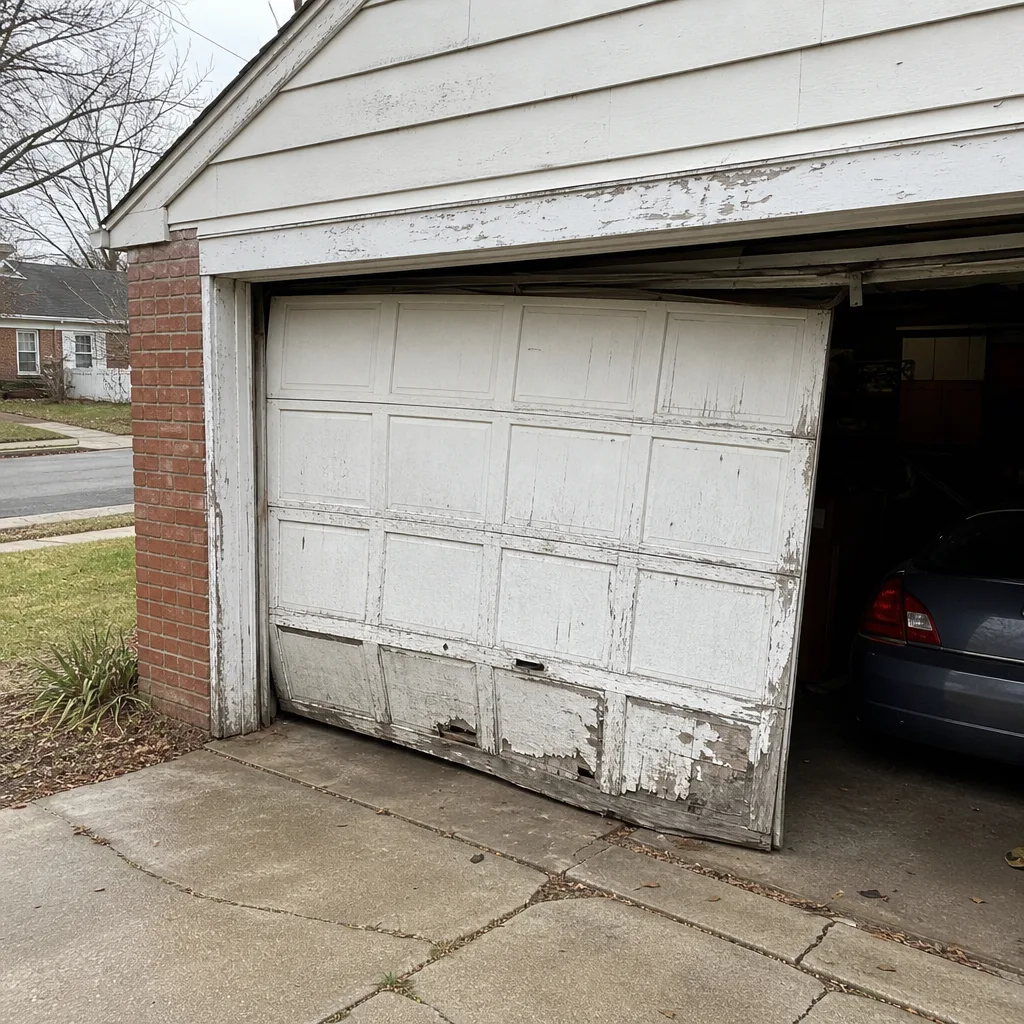 Before
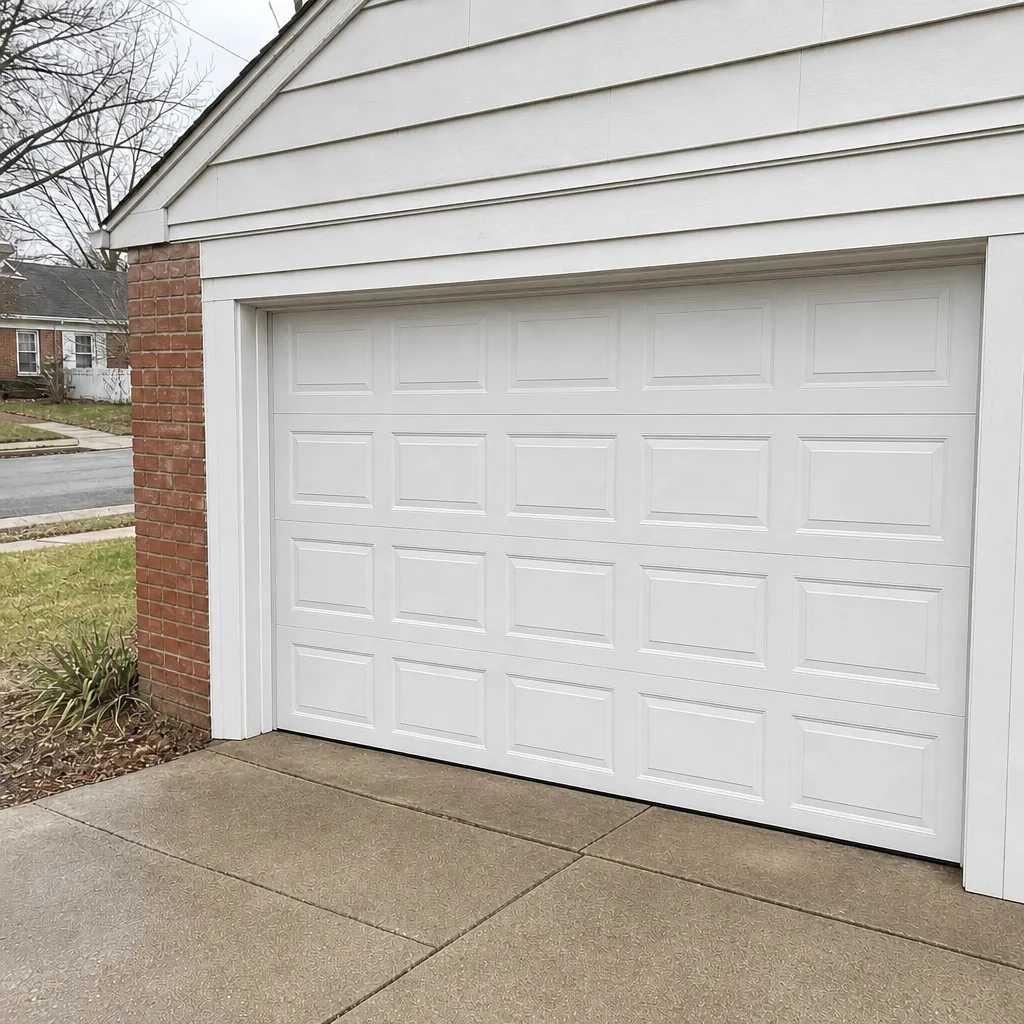 After
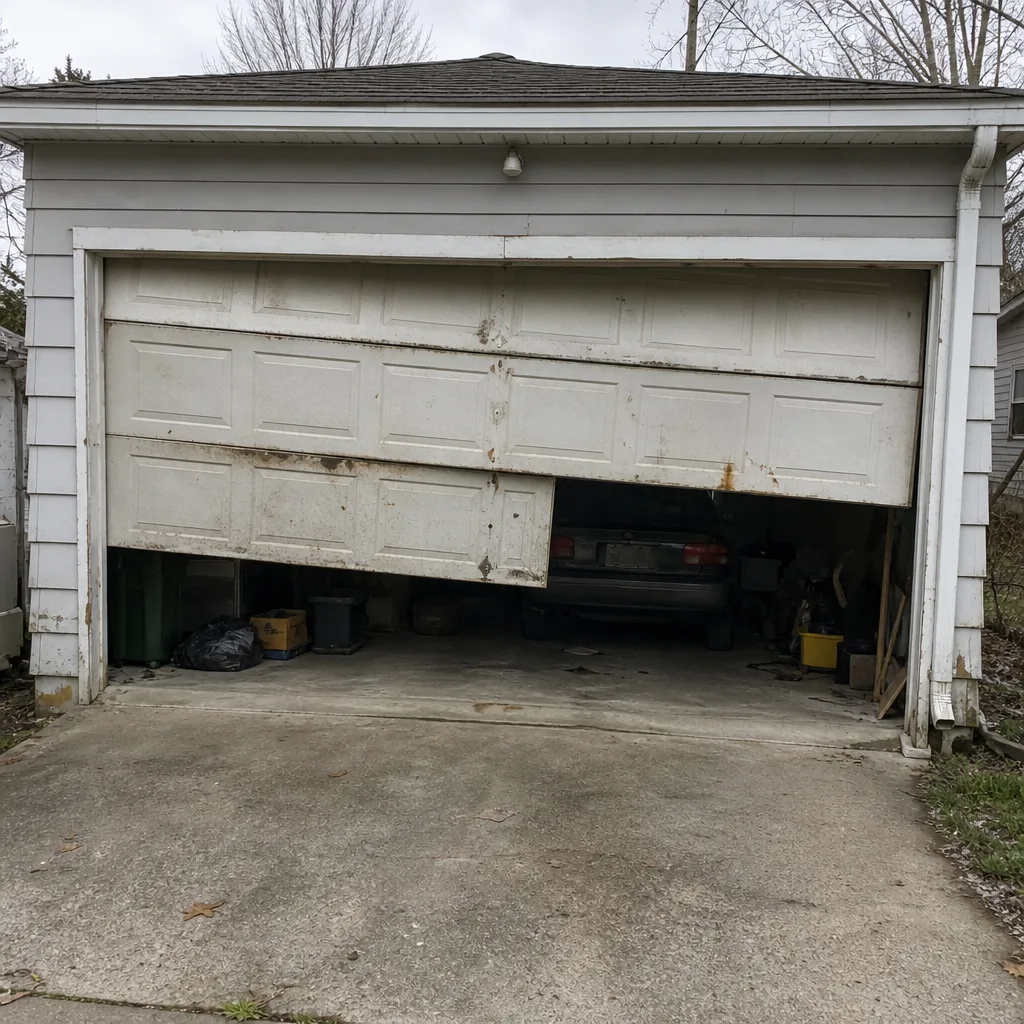 Before
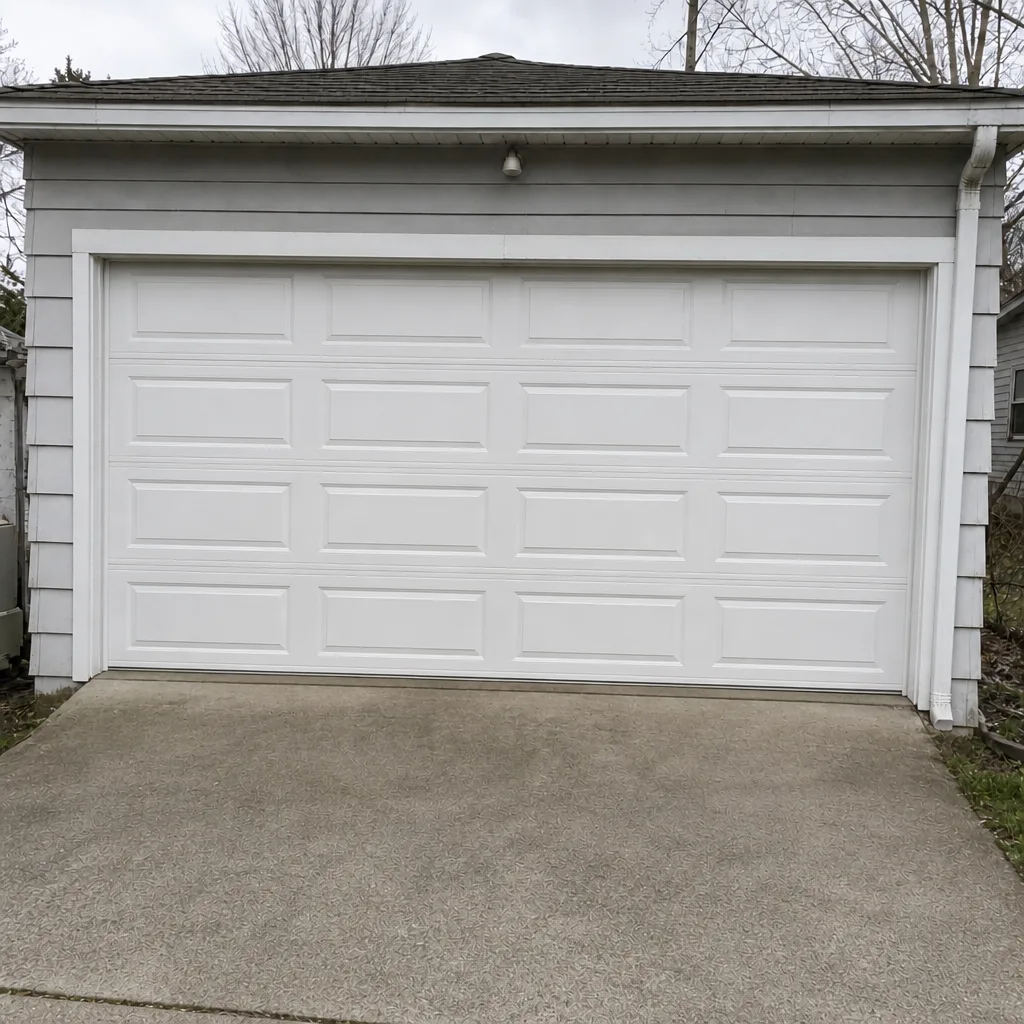 After
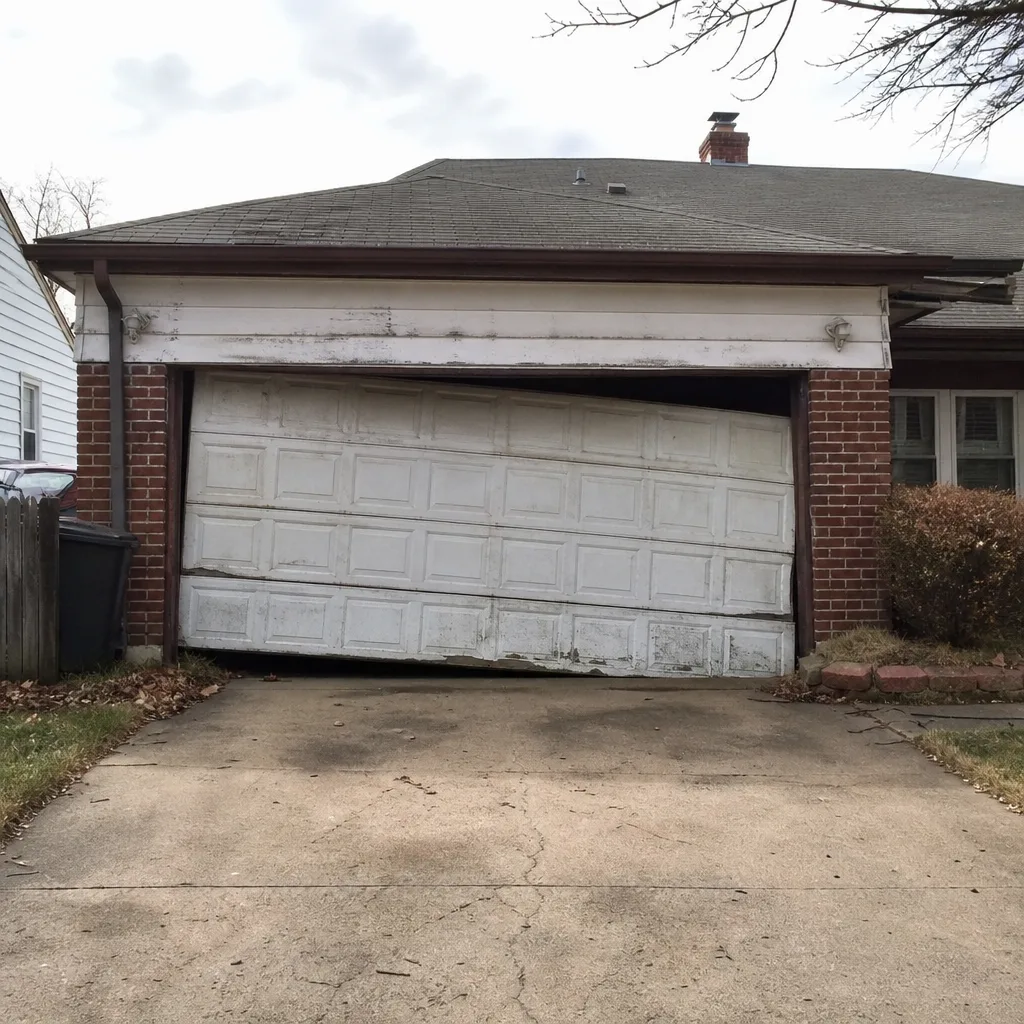 Before
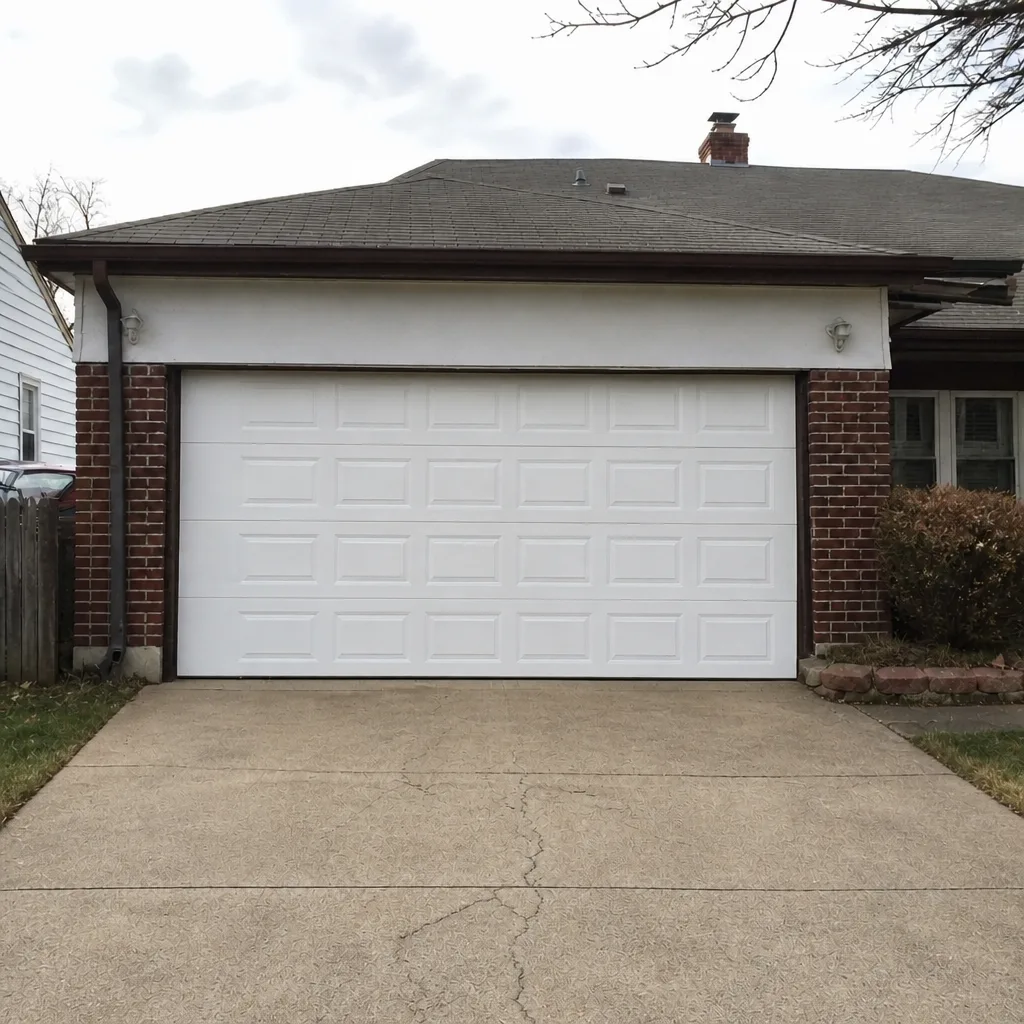 After
When to Call a Professional
Some garage door problems are inconvenient. Others are dangerous. Call a professional when a torsion or extension spring has broken or looks stretched, when a cable is frayed or hanging loose, when the door is stuck open or won’t close fully, or when the opener runs but the door doesn’t move. These are situations where the system is under tension or out of balance, and working on it without training is how people get hurt. Spring repair, in particular, requires specialist training that most general handymen avoid for good reason. A door that’s off its track or making a loud bang at the end of its travel also warrants a call.
Garage Door Repair University City offers free estimates in University City. Call (866) 787-1709. We answer 24/7. Fast dispatch from 7am to 7pm, Sunday through Friday.
Frequently Asked Questions
It depends entirely on the part and the job. A single spring replacement and a full door swap are different orders of magnitude, so the only useful way to budget is to price the specific part that failed. A written estimate on site is the number that matters, and it’s agreed before any work starts. Call (866) 787-1709 for an exact quote. Estimates are free.
For time-sensitive failures like a broken spring or a door stuck open, we prioritize emergency calls. Call (866) 787-1709. We answer 24/7. A call outside dispatch hours is booked into the next opening, Sunday through Friday, 7am to 7pm. Full door installations are measured and scheduled, not same-day.
The written estimate is the price, and it’s quoted and agreed before any work starts. If we open the door up and find something the initial assessment missed, we tell you before doing anything, not after. You never get an invoice that’s bigger than the quote you agreed to.
The local professionals we connect you with are licensed and insured as their state requires. Spring work is the most safety-critical repair on a garage door, and it’s not a DIY job. We work on the major brands by name, including LiftMaster, Chamberlain, Genie, Clopay, Amarr, Wayne Dalton, Craftsman, and Raynor.
It depends on the material, size, window count, and insulation rating of the door you choose. Steel sits at the low end, fiberglass and aluminum in the middle, and wood composite at the top. The right next step is a free measure and a written quote that itemizes the door, opener, hardware, labor, and disposal separately.
Repair is almost always cheaper when the door structure is sound and parts are available. Repair wins when the problem is a spring, cable, roller, or opener. Replacement makes sense when the door is beyond economical repair or the panels are no longer made. A free estimate will tell you which you’re looking at.
The Bottom Line
Garage door costs in University City are only confusing when they’re presented as one number. Break them down part by part, brand by brand, and job type by job type, and the picture clears up fast. The parts that drive repair cost are springs, cables, rollers, and panels. The parts that drive installation cost are material, opener, and labor. The markup lives in the bundling, and itemization is how you find it. Our technicians have up to 9 years of experience, and we work on your brand by name. Call (866) 787-1709 for a free estimate. We answer 24/7. Fast dispatch from 7am to 7pm, Sunday through Friday.
Written by the team at Garage Door Repair University City.