
Last updated November 23, 2026
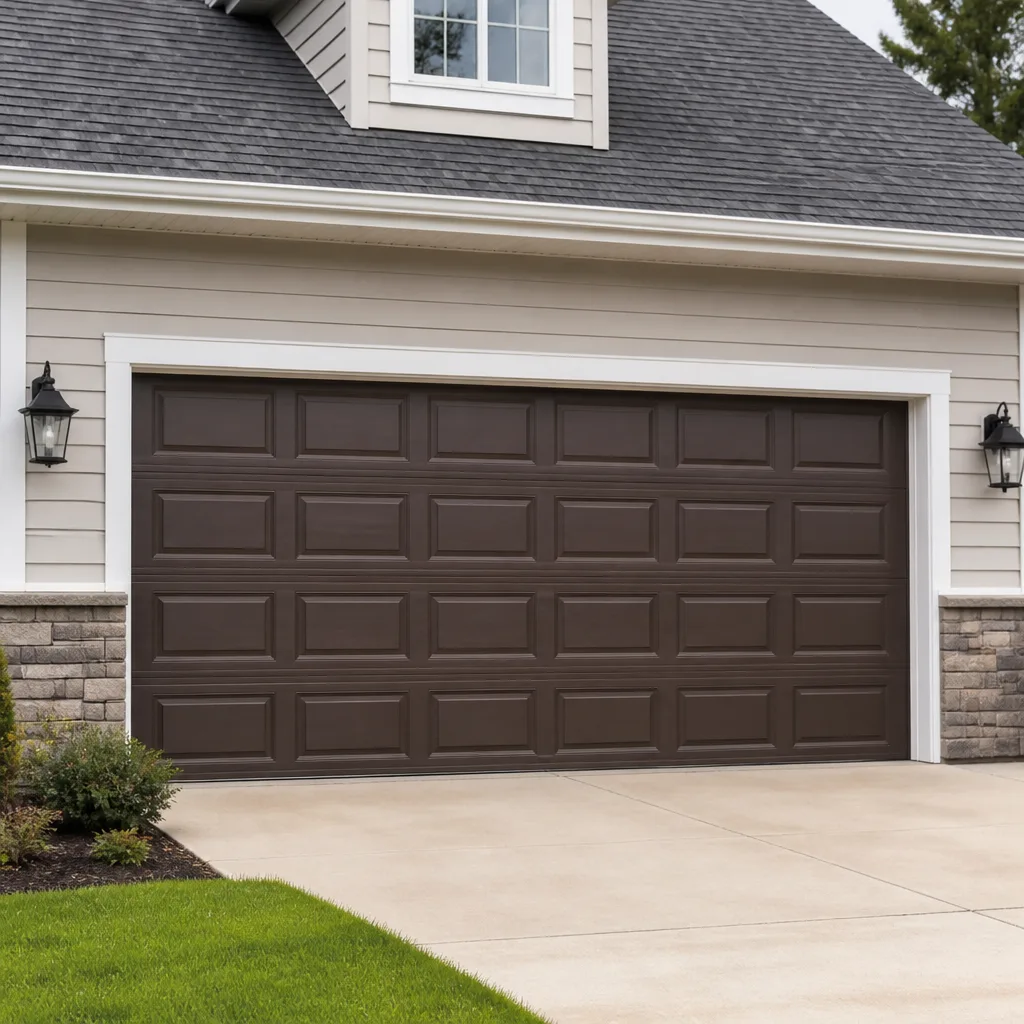 Raised-panel steel
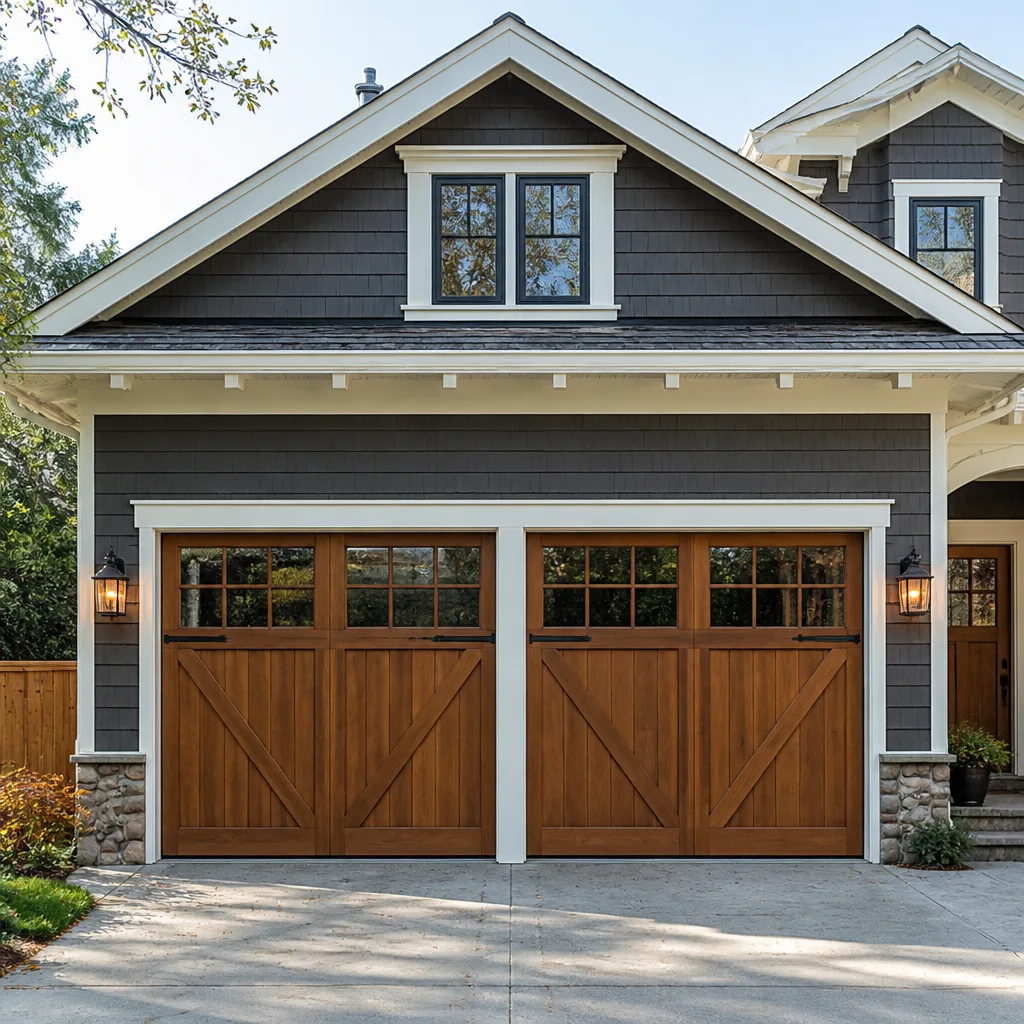 Carriage house
 Modern flush
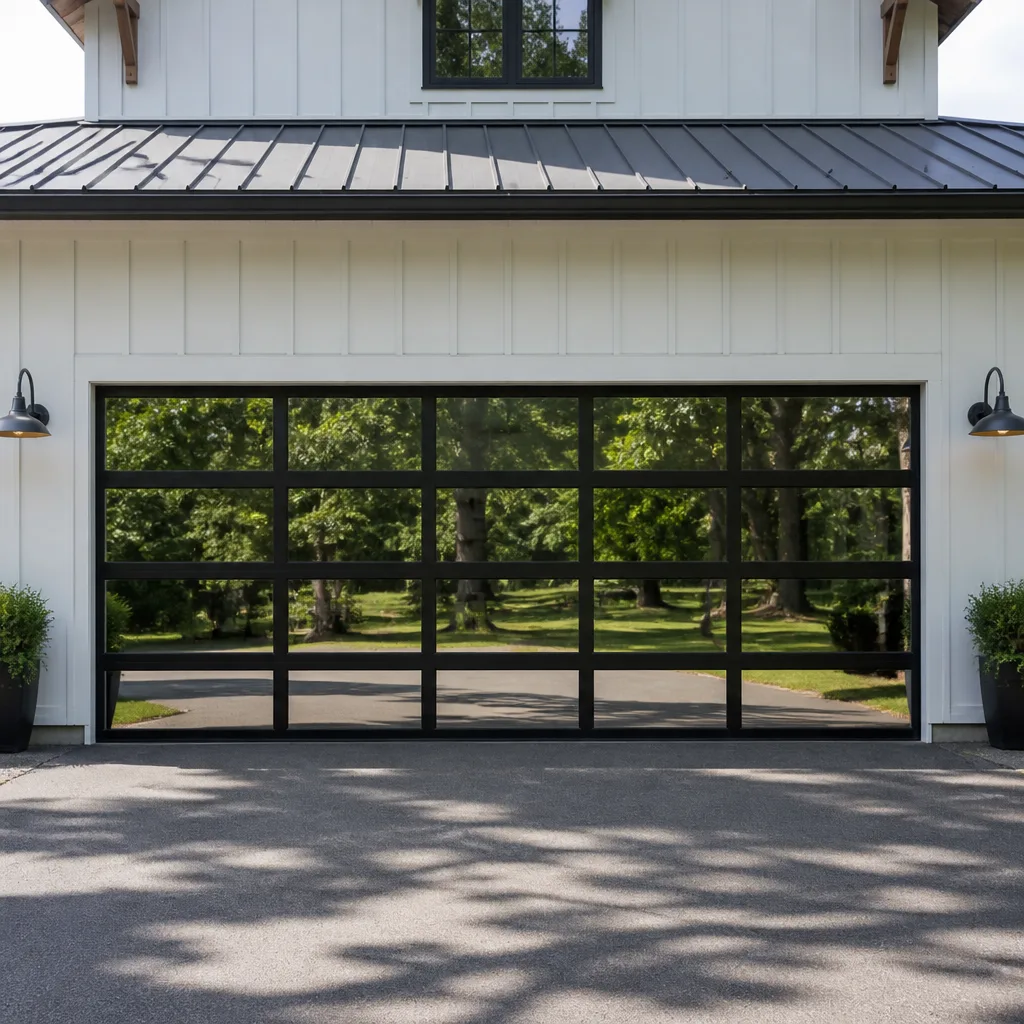 Full-view glass
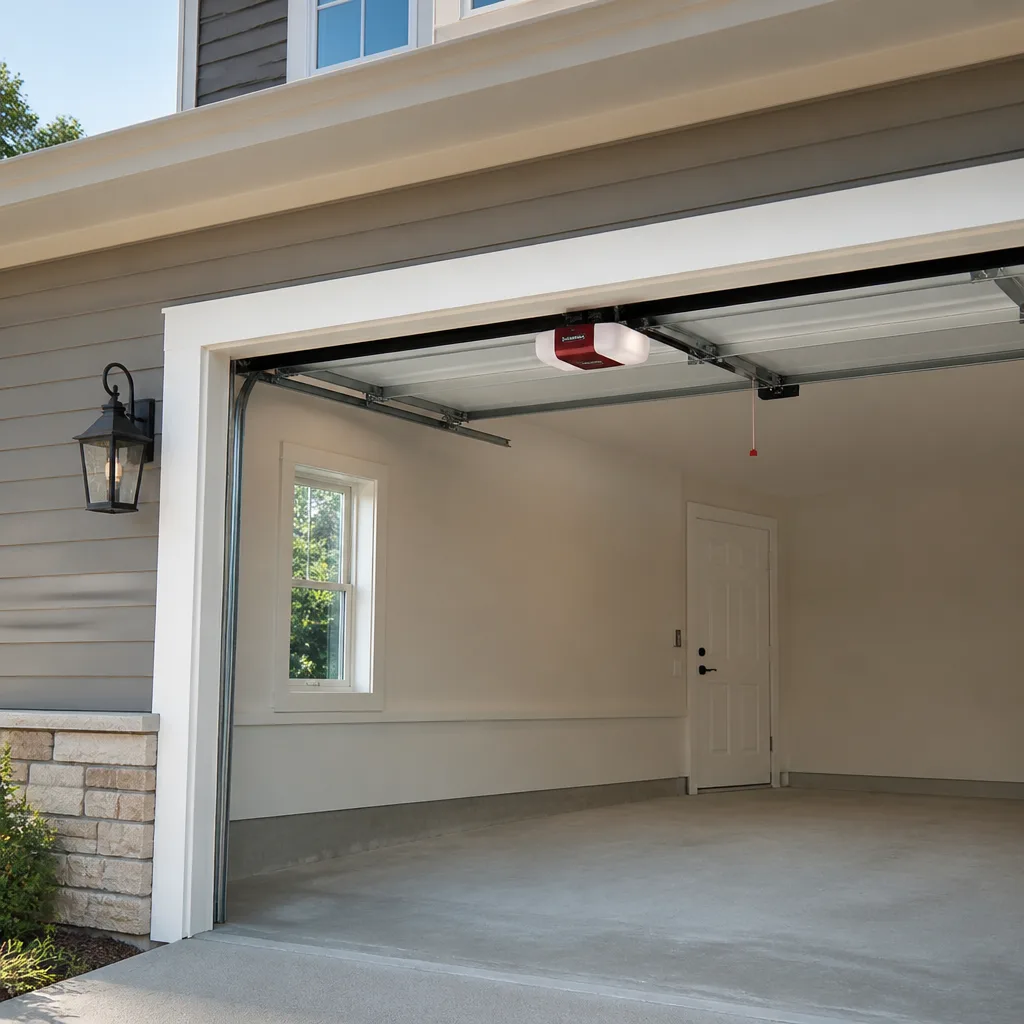 LiftMaster openers
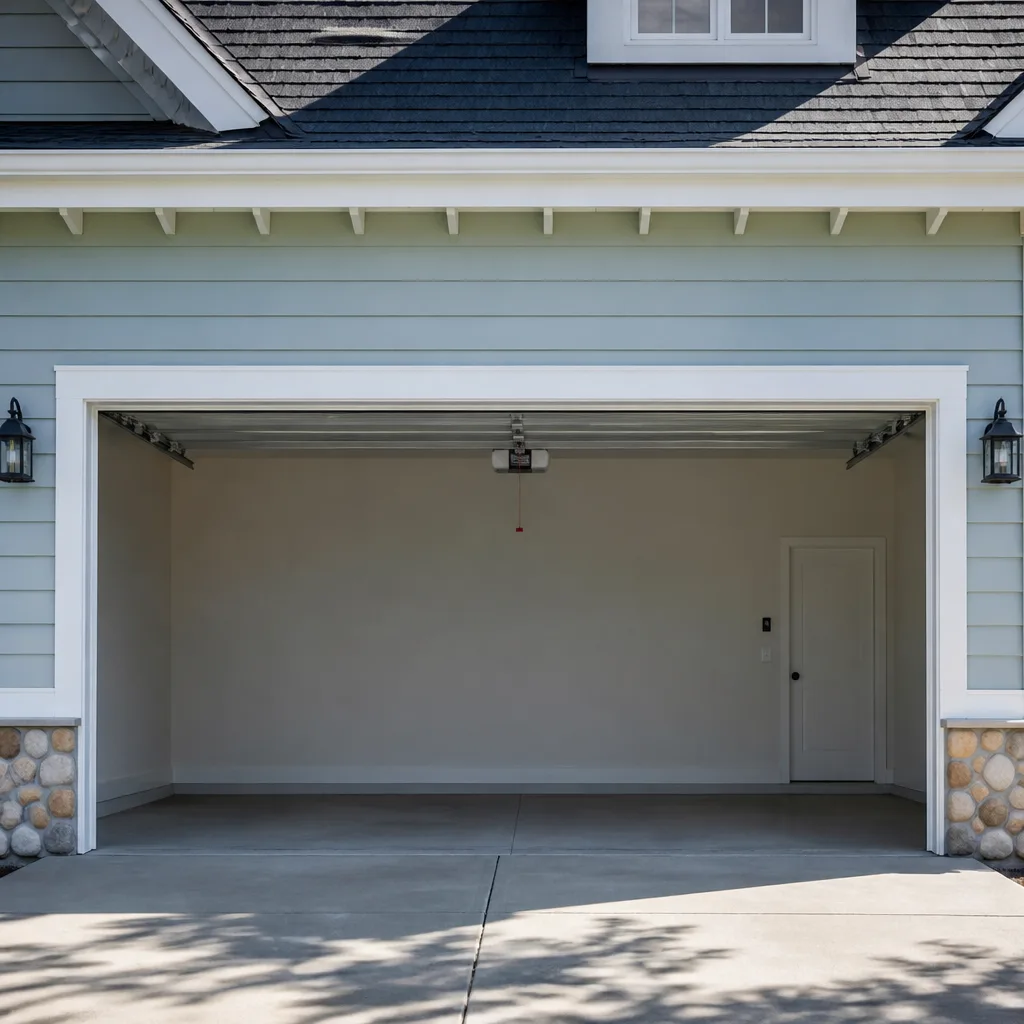 Chamberlain openers
Full 25-point door and opener safety check with every visit - springs, cables, rollers, tracks, and your LiftMaster or Chamberlain opener included
You get a price before we start. It does not change when the pro arrives.
Get your free estimateGarage Door Emergency Preparedness Guide for University City Homes
When an ice storm knocks out power on a January night in University City, “how to manually release my garage door” is not the moment to start reading the manual. The manual is inside the garage you can’t open. That’s the trap most homeowners don’t see until they’re standing in the driveway with a flashlight. Preparedness for garage door emergencies isn’t about buying gadgets; it’s about knowing three things cold: how your specific opener disengages, which failures are genuinely dangerous, and which ones can safely wait until morning. This guide walks through the failure scenarios that hit University City homes hardest, the manual release steps for the opener brands installed in most local garages, and the pre-season checks that keep a power outage or a broken spring from becoming a two-day problem.
Styles & brands we work with
- Raised-panel steel
- Carriage house
- Modern flush
- Full-view glass
- LiftMaster openers
- Chamberlain openers
Quick Answer
Garage door emergency preparedness in University City comes down to three things: learn your opener’s manual release procedure before you need it, know which failures (broken torsion springs, snapped cables, a door hanging off its track) are immediate hazards versus which can safely wait for a scheduled repair, and run a short pre-storm check on springs, cables, weather seals and the opener’s battery backup before severe weather season. Homeowners who’ve done this cut their emergency response time dramatically because they can tell a dispatcher exactly what failed and get the right parts on the first visit. When a failure does happen, call (866) 787-1709. We answer 24/7, with fast dispatch from 7am to 7pm, Sunday through Friday.
Table of Contents
- Why University City Garages Face a Specific Set of Emergency Risks
- How to Manually Release Your Garage Door (By Opener Brand)
- What to Do When a Torsion Spring Breaks and Your Car Is Trapped Inside
- How to Safely Secure a Garage Door That Won’t Close
- Storm Damage Assessment: What Can Wait Until Morning and What Can’t
- Power Outages, Battery Backup, and Opener Failures
- Pre-Storm Checklist for University City Homeowners
- Common Mistakes to Avoid
- When to Call a Professional
- Frequently Asked Questions
Why University City Garages Face a Specific Set of Emergency Risks
University City sits in a stretch of the St. Louis metro where the weather does not stay put. Summer thunderstorms roll through with hail and straight-line wind, winter brings ice storms that coat the driveway and take down power lines, and spring can flip from 75 degrees to a freeze warning inside 24 hours. That swing matters for garage doors because the hardware under tension – springs, cables, hinges, rollers – expands and contracts with temperature. Cold makes steel brittle. A spring that’s been slowly losing tension for months is far more likely to snap on the first truly cold morning of the year than in mild weather.
The housing stock adds a second layer. University City has a wide mix of home ages, from early-1900s brick homes near the Loop to mid-century ranches and newer construction further west. That means the garage doors in this city range from older single-car wood doors on extension springs to modern insulated steel doors on torsion systems with WiFi-connected openers. Each setup fails differently and each needs a different emergency response.
Three patterns show up again and again in University City garage emergencies:
- Cold-morning spring failures. The single most common emergency call after a hard freeze. The door comes down hard or won’t lift at all, and the car is stuck inside.
- Storm-driven track and panel damage. Wind-loaded doors bend tracks, pop rollers, and twist panels. Sometimes the opener still runs; the door just won’t follow.
- Power-outage lockouts. Ice storms and summer outages leave homeowners with a dead opener, no manual release knowledge, and a car they need to move.
None of these are rare. All of them are manageable if you’ve thought about them once, calmly, before they happen. If you’re already dealing with a failure right now, the main Garage Door Repair University City page is the fastest route to getting someone out.
How to Manually Release Your Garage Door (By Opener Brand)
Every residential garage door opener sold in the U.S. has a manual release, and the procedure is nearly identical across brands: you pull a cord to disengage the trolley from the door, then lift the door by hand. The differences are in where the release cord hangs and how the trolley re-engages. LiftMaster, Chamberlain, Genie and Craftsman units – the four brands in the overwhelming majority of University City garages – all use a pull-cord release on the trolley carriage that slides along the rail above the door.
Here’s the general sequence. Confirm your specific model’s manual before relying on it, because a few older units differ.
- Make sure no one is under the door. A disengaged door is now a manual door and can drop fast if a spring is broken.
- Locate the release cord. It hangs from the trolley carriage on the rail, usually with a red handle. If you can’t reach it, use the emergency key release (some openers have one) or a sturdy hook on a pole.
- Pull straight down and slightly toward the door. You should feel the trolley click out of engagement. Don’t yank – a steady pull is enough on most LiftMaster and Chamberlain models.
- Test the door by hand. Lift it about a foot. If it’s extremely heavy, stop. That’s a sign of a broken spring, and the door should not be forced.
- Lift the door fully and prop or secure it if you need the car out. Never leave a disengaged door open and unattended in a wind.
- To re-engage: close the door fully, pull the release cord once more (or flip the lever back), then run the opener. The trolley should catch on the next cycle.
Two brand-specific notes. Genie openers use a similar cord release but a slightly different trolley latch – you may need to pull the cord toward the motor rather than toward the door. Craftsman openers are built on the Chamberlain platform, so the release works the same way. If your opener has a battery backup, the door may still operate on battery even in an outage, so check that before assuming you need the manual release at all.
One more thing: the manual release only works if the door’s springs are intact. If a spring is broken, disengaging the opener doesn’t make the door liftable – it makes a heavy door dangerous to handle. Spring work is a job for a trained technician, and that’s exactly what our garage door spring repair service is built for.
What to Do When a Torsion Spring Breaks and Your Car Is Trapped Inside
A broken torsion spring is a garage door emergency in University City for one practical reason: the car is inside and the door won’t lift. The good news is that nobody needs to force anything. The door is heavy but on a torsion system it’s counterbalanced by the springs, and when one breaks the door usually stays down or drops hard. Either way, it becomes a dead weight you should not try to muscle up by hand – a 150-pound door on a broken spring can come down on a person or a vehicle.
Here’s how to handle it safely:
- Don’t lift the door by hand to free the car. The door is now unsupported by spring tension. Forcing it can bend the track, snap a cable, or drop the door.
- Confirm what broke. Look (from a safe distance, never reaching into the spring area) for a gap in the torsion spring above the door or a snapped extension spring running alongside the track.
- Check whether the door is fully closed. If it is, the garage is secured. If the door is stuck partway open, that’s the urgent scenario – see the next section on securing a door that won’t close.
- Move the trapped car only if you can do it without lifting the door. If the door is fully closed and the car is inside, the car stays put until a technician restores the door. Call and explain that a vehicle is trapped – it moves the job up the priority order.
- Keep people and pets away from the door until it’s repaired. A door on a broken spring can shift unexpectedly.
We’ve seen homeowners in University City try to force a door up with a pry bar or a floor jack to get a car out before a meeting. It almost always makes the repair bigger – bent tracks and twisted panels turn a spring replacement into a full door assessment. The right fix, not the easy one, is to let a technician handle the spring and the door together. Our technicians have up to 9 years of experience with torsion and extension systems, and we’re factory-familiar with Clopay, Amarr and Wayne Dalton doors common on University City homes.
If you have a second vehicle or a driveway, use it. If not, plan for a short wait – spring repair is genuinely a same-day service for us in most cases, but the door should be left alone until then.
How to Safely Secure a Garage Door That Won’t Close
A door that won’t close is the higher-stress version of the emergency, because now the house is open. It usually happens after a spring failure, a snapped cable, a bent track, or a misaligned photo-eye. The door may stop six inches off the floor, reverse immediately, or hang crooked with one side higher than the other. Securing it is about stopping the door from moving and keeping the opening closed – not about forcing it down.
Work through this in order:
- Stop operating the opener. Repeatedly hitting the button on a door with a mechanical fault can burn out the motor or make the damage worse.
- Check the photo-eye first. If the door reverses right after starting to close, the safety sensors at the bottom of the track are the most common culprit. Look for a misaligned sensor, a spider web across the lens, or sunlight hitting one eye directly. Realigning the sensors is a homeowner-safe check.
- If the door hangs crooked, stop. A crooked door means a cable or spring has failed on one side. Don’t force it. The door is now leaning on a single point of support.
- Secure the opening. If the door is stuck partway open, lower it manually only if it moves freely and stays balanced. If it doesn’t, leave it where it is and secure the garage from the inside if possible.
- Call it in. Give the dispatcher the door type, the symptom, and whether the door is fully open, partly open, or closed. That information lets us bring the right parts and get you back on track today.
Cable failure deserves its own warning. Cables are under extreme tension and a snapped cable can whip with enough force to cause serious injury. Never try to reattach a cable to a drum or bracket yourself. That’s a trained-technician job, full stop. If the cable is hanging loose, keep everyone away from the door and treat it as an immediate call.
For a door that’s stuck or damaged in a way you can’t secure, our garage door repair team handles the diagnosis and the fix in a single visit whenever parts allow.
Storm Damage Assessment: What Can Wait Until Morning and What Can’t
After a storm rolls through University City, the instinct is to get everything back to normal at once. But not every garage door problem is an emergency, and knowing the difference saves you a stressful night. Here’s how we sort it.
Immediate hazards – call now:
- A door hanging off its track or leaning to one side.
- A snapped or loose cable whipping near the door.
- A broken spring with the door stuck open (the house is exposed).
- Any door that moves unpredictably when the opener runs.
- Structural damage to the door frame or the header above the door.
Safe to wait until morning:
- A single dented panel with the door still operating normally.
- A door that closes and secures but makes new noise.
- Cosmetic damage to the weather seal or bottom rubber.
- An opener that works but is slow or intermittently reverses (still worth a call, but not a hazard).
Wind-loaded doors are the most common storm call in University City. Straight-line wind pushes against the door and can bend the vertical tracks or pop the rollers out of the hinges. When the opener still runs but the door won’t follow cleanly, stop using it – running the motor against a bent track grinds the gears and can turn a track repair into an opener replacement.
If you’re unsure which category your damage falls into, call and describe it. We can usually tell you over the phone whether it’s safe to leave overnight. Our garage door opener repair service covers the opener side once the door itself is sound.
Power Outages, Battery Backup, and Opener Failures
Power outages are the most predictable garage emergency in University City, and the most preventable. Summer thunderstorms and winter ice both take out power, and a garage door opener is useless without electricity unless it has a battery backup. The good news is that most modern openers – LiftMaster, Chamberlain and Genie all offer it – can run for a limited number of cycles on battery during an outage, enough to get a car in or out.
Two things to confirm before the next outage:
- Does your opener have a battery backup? Check the motor housing for a battery compartment or a backup indicator light. If it does, test the battery by unplugging the opener and running it once. If it doesn’t move, the battery needs replacement.
- Do you know where the manual release is? Walk out to the garage and find the release cord now. If it’s not visible or reachable, fix that. It’s the difference between a five-minute problem and a two-hour one.
If your opener is older or doesn’t have battery backup, the manual release is your whole plan. Make sure everyone in the household knows how to use it, including older kids who drive. A power outage is not the time to learn the procedure.
Opener failures unrelated to power – a motor that hums without moving, a remote that’s stopped working, a wall button that’s dead – are usually fixable and worth a call. Our team works on LiftMaster and Chamberlain systems daily, including the WiFi-connected models where the app and the opener stop talking to each other.
Pre-Storm Checklist for University City Homeowners
Spend twenty minutes on this before storm season, and you’ll cut your emergency response time dramatically. This is the single highest-value thing you can do for garage door emergency preparedness.
Monthly (two minutes):
- Test the balance. Disengage the opener and lift the door halfway by hand. It should stay put. If it drops or feels very heavy, a spring is losing tension – call before it breaks.
- Listen. A door that’s getting louder or grinding is telling you something. Noisy operation is the earliest warning sign of a failing spring, roller or hinge.
- Check the photo-eyes. Wipe the lenses and make sure the door reverses when you pass an object through the beam.
Before storm season (twenty minutes):
- Confirm the manual release works. Pull it, test the door by hand, then re-engage.
- Inspect the springs and cables visually. Look for gaps in the torsion spring, rust, or a frayed cable. Never touch a spring or cable – a visual check from a safe distance is all you need.
- Test the battery backup if your opener has one.
- Check the weather seal and bottom rubber. A worn seal lets wind-driven rain in and is cheap to replace.
- Clear the tracks of debris and confirm the door runs smoothly end to end.
- Write down your opener brand and model and keep it somewhere you can find it. When you call, knowing you have a Genie or a LiftMaster saves time on parts.
- Store the phone number for garage door service where you’ll find it in the dark – on the fridge, in your phone contacts.
Homeowners who run this checklist once a year in University City rarely get blindsided. The failures still happen – springs wear out – but you’ll know what failed and have the tools to cope until a technician arrives.
Common Mistakes to Avoid
- Forcing a door with a broken spring. The door is already unsupported; forcing it up bends tracks, bends panels and risks injury. Call for spring repair before you touch it.
- Leaving a stuck-open door unattended overnight. If a storm or spring failure leaves the door open, securing the opening or getting a technician out is worth the call. It’s the difference between a repair and a security problem.
- Ignoring a worn springs or noisy door because it still works. Springs don’t fail gradually once they start – they snap. A door that’s noisy or out of balance is a warning, not a quirk.
- Trusting a matched-pair quote as a single-spring price. Torsion springs are replaced in pairs; if a quote looks low, ask whether it covers one spring or both.
- Letting a general handyman handle spring work. Torsion and extension springs are under extreme tension and need specialist training. The wrong tools or technique can cause serious injury.
- Not knowing your opener brand. Parts and release procedures vary. Knowing you have a Chamberlain or a LiftMaster up front saves time and gets the right repair the first visit.
- Waiting until a failure to learn the manual release. The manual is inside the garage you can’t open. Learn the procedure now, not during an outage.
When to Call a Professional
Call a professional for any of these: a broken spring, a snapped or loose cable, a door off its track or hanging crooked, an opener that hums or won’t move, a door that reverses without an obvious obstruction, or any damage you’re unsure about. Those are the scenarios where a trained technician saves you from injury or a bigger repair. For University City homeowners, the threshold is simple – if the door isn’t operating normally and the cause isn’t a misaligned photo-eye, call it in.
Garage Door Repair University City offers free estimates in University City. We answer 24/7. Fast dispatch from 7am to 7pm, Sunday through Friday. Call (866) 787-1709. We’ll diagnose the failure, quote the price before any work starts, and get your door back on track.
Frequently Asked Questions
Pull the manual release cord that hangs from the trolley carriage on the rail above the door, then lift the door by hand. On most LiftMaster, Chamberlain, Genie and Craftsman openers the cord has a red handle and disengages with a firm steady pull. Test the door by hand first – if it’s very heavy, stop and call, because that signals a broken spring.
It is if the door is stuck open or a car is trapped inside, and it always is for the safety of the door itself. A door on a broken spring can drop unexpectedly. We treat spring failures as emergency calls, and our team handles torsion and extension repairs as a same-day service in most cases. Call (866) 787-1709. We answer 24/7, with fast dispatch from 7am to 7pm, Sunday through Friday.
Don’t force the door up by hand or with tools – that’s how small repairs become large ones. Leave the car where it is, keep people and pets clear of the door, and call for spring repair. Mention that a vehicle is trapped so it gets priority. Our technicians have up to 9 years of experience with the spring systems in University City garages.
Only as a last resort. If the door is stuck partway open after a cable break or track damage, don’t force it down – the door is unsupported. Secure the opening from the inside if possible and call for repair. A door that’s hanging crooked should never be left in a position where it could fall.
Pricing is set per job by a written estimate, and the estimate is free. Typical spring repair, opener repair and panel work all vary by door type and what’s actually failed, so we quote the price and agree it before any work starts. Call (866) 787-1709 for an exact quote – estimates are free.
Very likely. We’re factory-familiar with eight major brands including LiftMaster, Chamberlain, Genie, Clopay, Amarr, Wayne Dalton, Craftsman and Raynor, so we use genuine OEM-compatible parts rather than workarounds. Tell us your brand and model when you call and we’ll confirm.
The Bottom Line
Garage door emergencies in University City come from a short list of causes: cold-morning spring failures, storm-driven track damage, and power outages that leave you locked out. The fix isn’t a gadget – it’s knowing your manual release, understanding which failures are dangerous, and running a short pre-storm check on your springs, cables, photo-eyes and opener battery. Do those three things and a failure becomes a manageable inconvenience instead of a two-day problem. When it happens anyway, a technician who already knows your brand can get you back on track. Call (866) 787-1709 for a free estimate. We answer 24/7, with fast dispatch from 7am to 7pm, Sunday through Friday.
Written by the team at Garage Door Repair University City.
See the difference
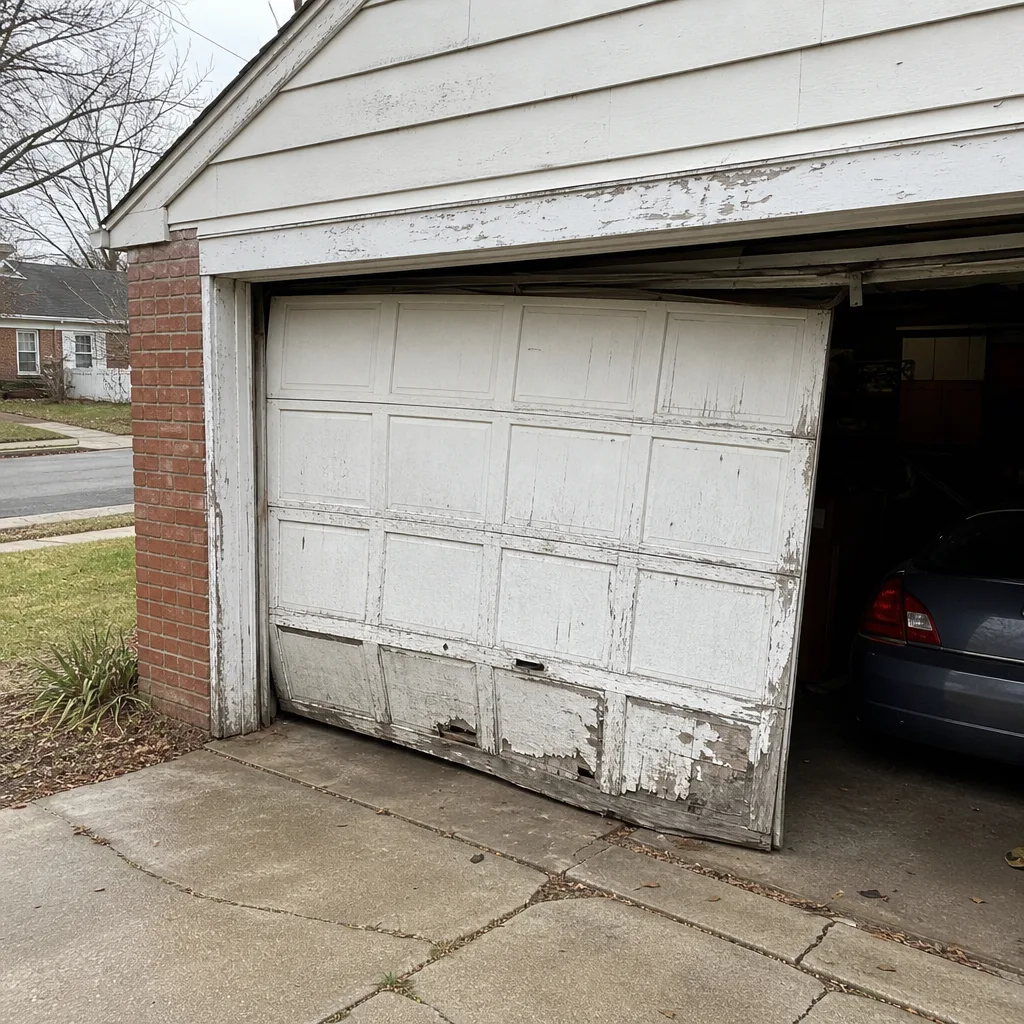 Before
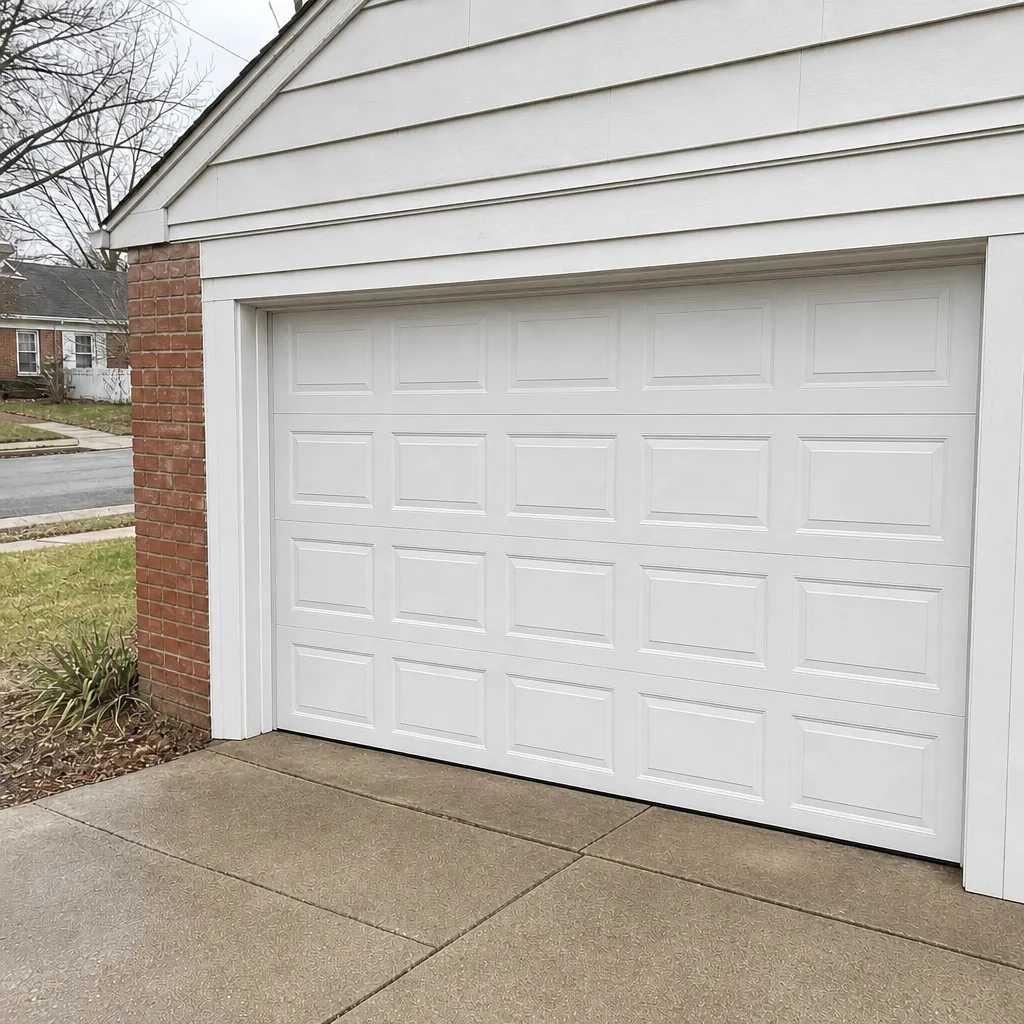 After
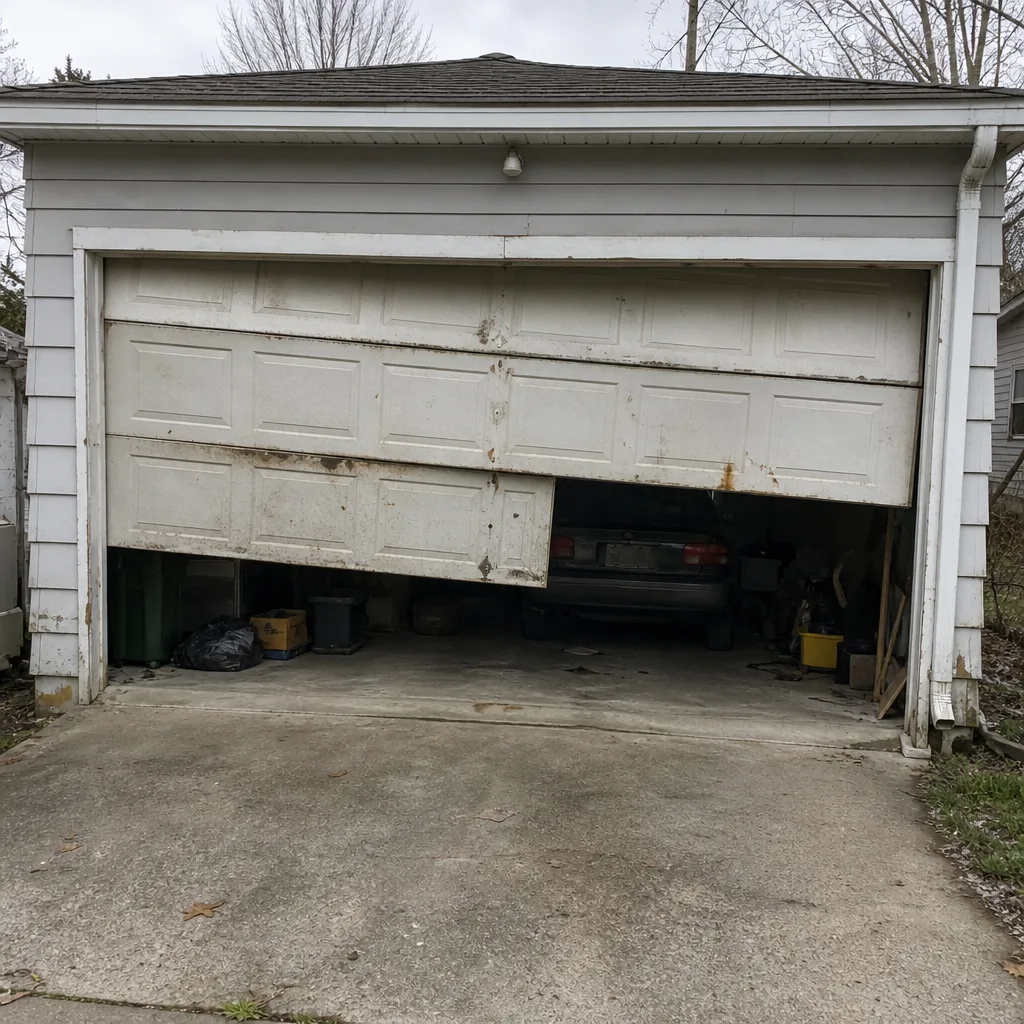 Before
 After
 Before
 After