
Last updated November 23, 2026
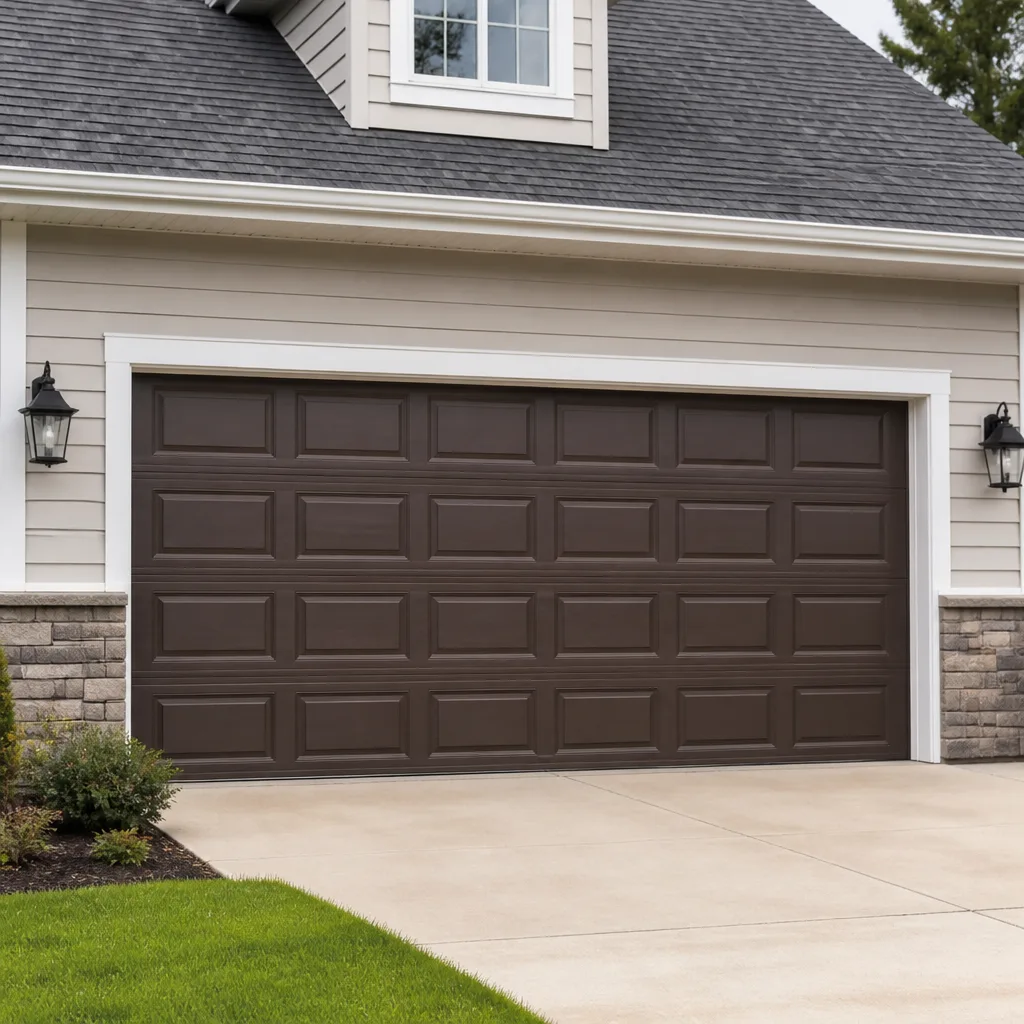 Raised-panel steel
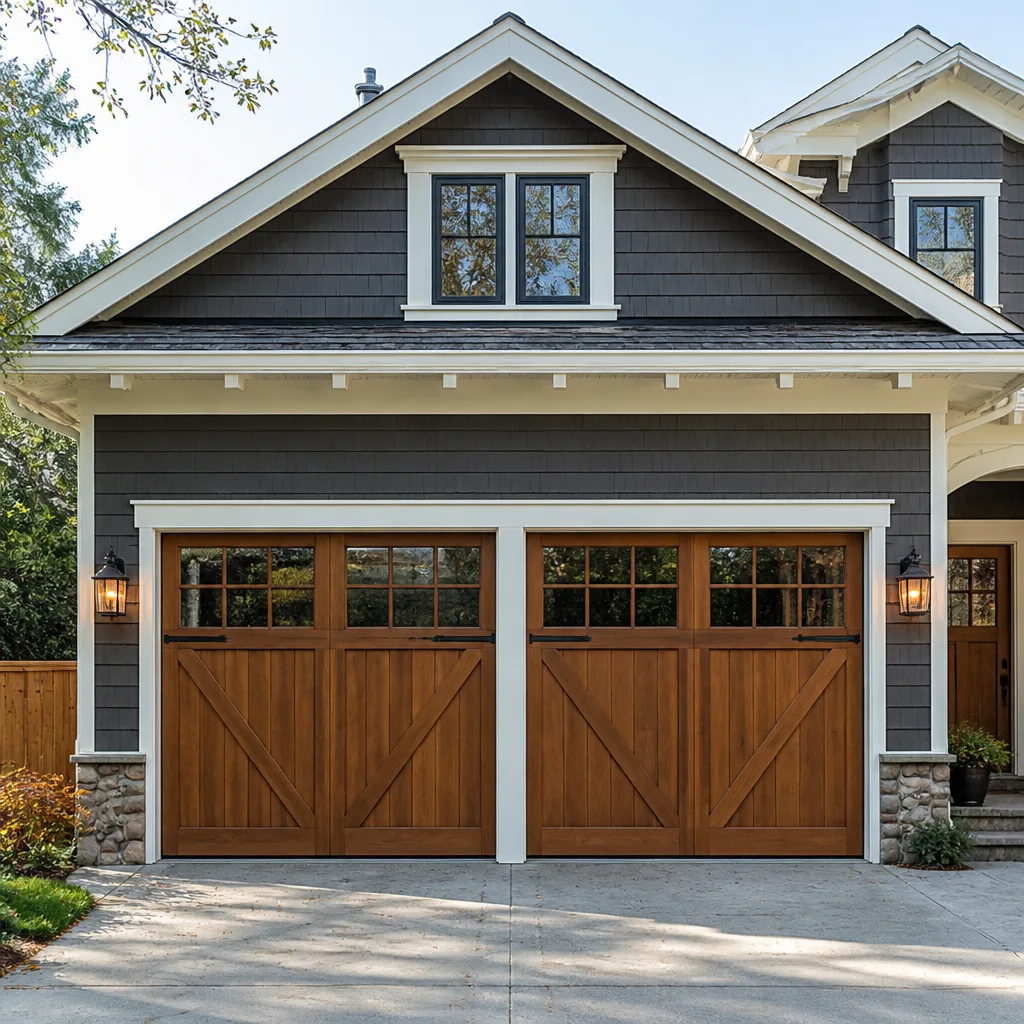 Carriage house
 Modern flush
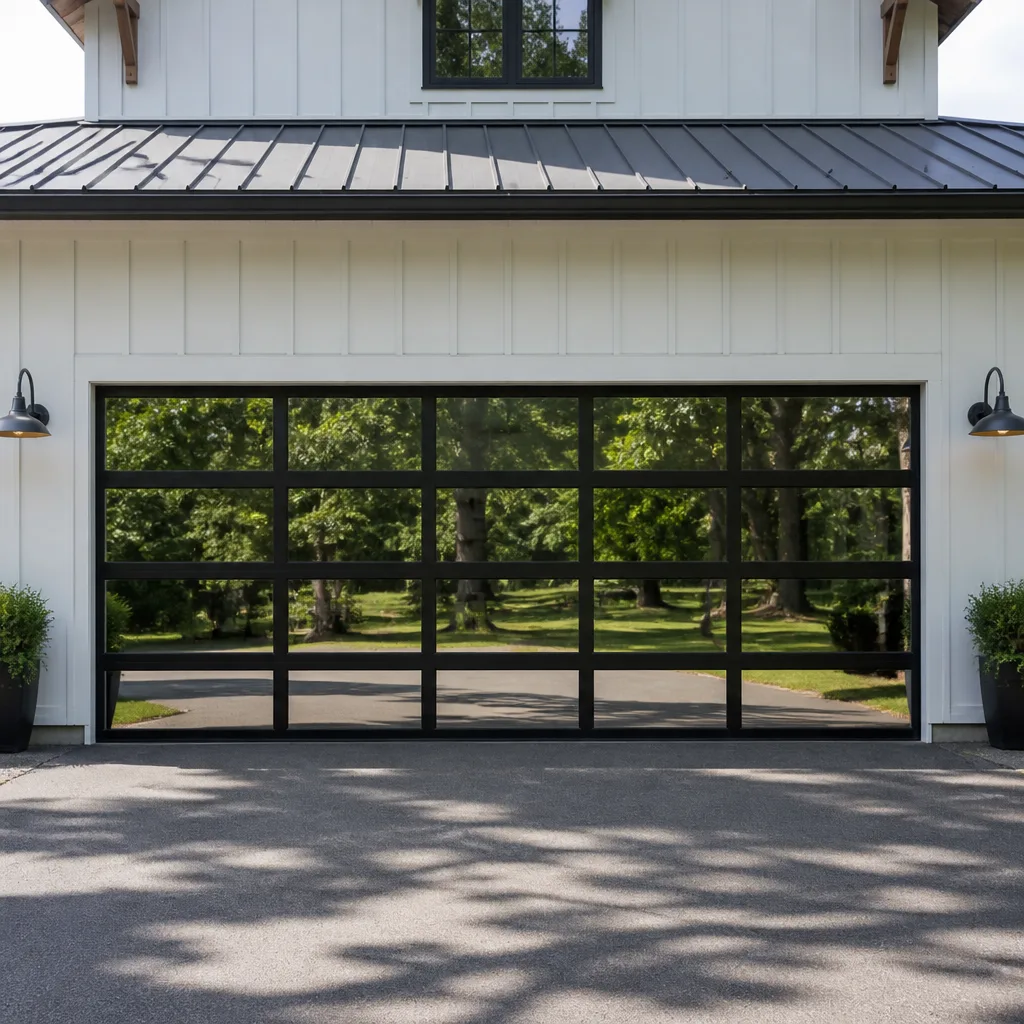 Full-view glass
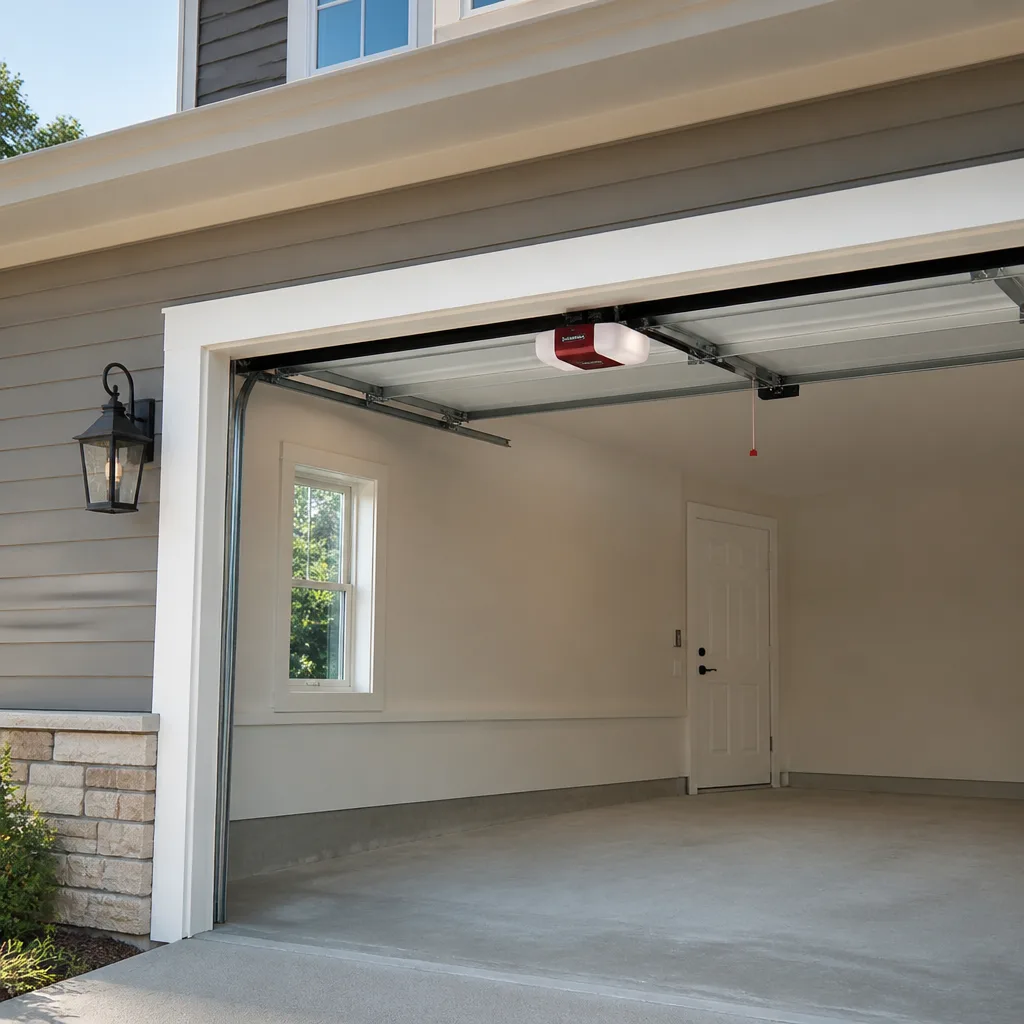 LiftMaster openers
 Chamberlain openers
Full 25-point door and opener safety check with every visit - springs, cables, rollers, tracks, and your LiftMaster or Chamberlain opener included
You get a price before we start. It does not change when the pro arrives.
Get your free estimateGarage Door Permits, Codes & Inspections in University City, MO: What You Need to Know
Most garage door replacements in Missouri never touch a permit. That’s the part nobody tells you. A homeowner in University City swaps out a tired steel door for a new Clopay model of the same size, pays the installer, and the job closes without a single inspection. Then a real estate transaction or a fussy insurance adjuster pulls the thread: the rough opening was widened, an outlet was added for a LiftMaster opener, the framing got moved. Now it’s a permit problem that should’ve been handled before the first lag bolt went in. This guide walks through where the line sits in University City, what like-for-like really means under Missouri’s building code framework, how UL 325 safety standards collide with older openers, and what to do if you’re staring at unpermitted work you inherited.
Quick Answer
In University City and the rest of St. Louis County, a straight like-for-like garage door replacement of the same size and type in the same opening generally does not require a building permit, but any change to the rough opening, structural framing, electrical work for a new opener, or the fire separation between an attached garage and the house does. UL 325 is the safety standard that governs door openers nationwide and it applies whether or not a permit was pulled, which matters most for older University City homes with pre-1993 openers still in service. If you’re unsure which category your job falls into, ask the City of University City’s building department before work starts, and get the answer in writing.
Styles & brands we work with
- Raised-panel steel
- Carriage house
- Modern flush
- Full-view glass
- LiftMaster openers
- Chamberlain openers
Table of Contents
- Where the Permit Threshold Sits in University City
- What “Like-for-Like Replacement” Actually Means
- UL 325 and Older Openers: Why Code Enforcement Cares
- Fire-Rated Doors for Attached Garages
- The Home Sale Scenario: Disclosures and Fixes
- What a Garage Door Inspection Covers
- How This Plays Out Across University City Neighborhoods
- A Realistic Timeline for a Permitted Job
Where the Permit Threshold Sits in University City
The permit threshold in University City comes down to one question: did you change anything other than the door itself? Swapping a 16×7 door for another 16×7 door in the same track and the same opening is repair. Changing the opening, the header, the tracks, the electrical, or the wall separating the garage from the house is construction, and construction in St. Louis County generally needs a permit.
Practically, that breaks into two piles.
Usually no permit required:
- Replacing a door with an identical size and style in an existing, undamaged opening
- Replacing an opener with a same-voltage unit wired to the existing outlet
- Repairing springs, cables, rollers, hinges, or panels
- Painting or refinishing a door
Usually needs a permit:
- Enlarging or shortening the rough opening
- Replacing or modifying the header above the opening
- Adding a new dedicated electrical circuit for a smart opener such as a Genie or LiftMaster unit
- Cutting, moving, or adding framing in the wall between an attached garage and the house
- Installing a new garage door in a wall that previously had none
We’ve seen plenty of jobs in University City that straddle both piles. A homeowner wants to go from a single door to a double door, and suddenly the header has to change, which means a permit, which means an inspector. Better to know that before the estimate than after. If your project touches anything structural or electrical, call the City of University City’s building department directly and describe the scope. Their answer, in writing, is the only one that matters.
What “Like-for-Like Replacement” Actually Means
Missouri doesn’t publish a single statewide definition of “like-for-like” for garage doors. The phrase comes from the general principle that a repair restoring a component to its original function doesn’t require the same permitting as new construction. In practice, local building departments interpret it, and St. Louis County jurisdictions tend to read it narrowly.
Here’s what like-for-like does not cover in our experience:
- A different size. If the new door is wider, taller, or thicker than the opening was built for, it’s not like-for-like, even if it fits after modification.
- A different track configuration. Switching from a standard-lift to a high-lift track means cutting into the ceiling and changing the spring geometry. That’s new work.
- Removing and reframing the opening. If the installer pulls the old jambs, that’s structural.
- Adding electrical. A new outlet for a smart opener is electrical work, full stop.
- Changing the wall between garage and house. Even a small cutout for a pet door or a new entry changes the fire separation, which we cover below.
What like-for-like does cover: the door, rollers, hinges, tracks in their existing positions, springs of the same size and type, and an opener swap on an existing circuit. A Wayne Dalton door replaced by another Wayne Dalton door in the same opening is like-for-like. A Wayne Dalton replaced by an Amarr door in an opening that had to be reframed for it is not.
For University City homeowners, the practical takeaway is this: if you want to change anything about the geometry, plan for a permit. If you want a straight replacement of what’s already there, you’re probably fine without one, but confirm with the city. We’ve handled enough of these to know it’s the questions you don’t ask that cause trouble later.
UL 325 and Older Openers: Why Code Enforcement Cares
UL 325 is the safety standard that governs automatic garage door operators in the United States. It’s not a building code and it’s not a law, but it’s adopted by reference in the model codes most jurisdictions follow, and it’s enforced through the manufacturer’s listing. Every opener sold today has to meet it. The version in force since 1993 requires a non-contact safety device, usually photoelectric eyes near the floor, and the version since 2016 added requirements around entrapment protection when the door is closing.
Why this matters for University City: a lot of the housing stock in neighborhoods like University Heights, Ames Place, and the streets around Washington University dates to the 1920s through the 1950s. Many of those garages got openers added in the 1970s and ’80s, long before UL 325 required photoelectric eyes. If you’re selling a house or pulling a permit for related work, an inspector can flag an opener without safety eyes as a hazard even if the opener itself isn’t the subject of the permit.
What to check on an older opener:
- Two photoelectric eyes mounted 4 to 6 inches off the floor, one on each side of the door
- A working contact-reverse test: place a 2×4 flat on the floor, close the door, and see if it reverses on contact
- A functioning manual release that lets you disengage the door from the opener if needed
- A wall-mounted control at least 5 feet from the floor, out of reach of small children
If your opener is a pre-1993 model with no safety eyes, the fix isn’t complicated but it is real repair work. That’s the kind of diagnostic honesty we try to bring to garage door opener repair in University City: replace what needs replacing, and don’t sell a new opener when the old one just needs safety eyes wired back in.
Fire-Rated Doors for Attached Garages
Attached garages are separated from the living space by a fire separation wall, and any door in that wall, including the door from the garage into the house, is what the code calls a fire-rated door. The standard residential requirement is a solid wood door at least 1-3/8 inches thick or a 20-minute fire-rated door, with self-closing hardware and a threshold that seals against smoke. This is a life-safety requirement, not a convenience, and it’s one of the most commonly missed details in University City homes.
Where homeowners get into trouble:
- A hollow-core interior door was installed at some point to replace the original solid door. It looks fine and fails the requirement.
- The door doesn’t self-close. Fire-rated doors need a self-closing hinge or closer to do their job.
- A pet door was cut into the fire-rated door, which voids the rating.
- The drywall on the garage side of the wall was cut away for a shelf or a workbench, exposing the studs.
If your garage is attached and you’re planning any permitted work, expect the inspector to look at this wall and this door. If your garage is detached, this rule doesn’t apply the same way, but the door you’re buying for the vehicle opening still has to meet the manufacturer’s installation instructions.
Replacing a fire-rated door is not a garage door job, but it’s the kind of thing we point out when we’re already in the garage. It’s cheap to fix and expensive to discover during a home inspection.
The Home Sale Scenario: Disclosures and Fixes
Here’s where unpermitted garage work stops being abstract. When you sell a house in University City, you sign a seller’s disclosure. Missouri requires disclosure of known material defects, and unpermitted construction that could affect safety or value counts. If you widened the opening for a new Amarr door five years ago without a permit, and you know it, that’s a disclosure item. If you didn’t know because the previous owner did it, you’re generally not on the hook for what you didn’t know, but the buyer’s inspector will still find it.
What typically happens at inspection time:
- The inspector notes the door size doesn’t match the county’s records. That’s the first flag.
- The buyer’s agent asks for documentation. If there’s no permit on file, the burden shifts to the seller to prove the work was done correctly.
- A structural engineer or a licensed contractor is brought in to assess. That’s a cost, and it’s on someone’s side of the table.
- The fix is one of two paths: pull a retroactive permit and have the work inspected as it stands, or in some cases remove and rebuild to code.
Retroactive permits aren’t automatic. The city can require that concealed work be exposed for inspection, which might mean opening up drywall or removing the door to see the framing. In the worst case, work that can’t be verified gets ordered rebuilt.
If you’re buying a University City house with a garage door that looks newer than the rest of the house, ask for the permit records. It’s a 15-minute errand at the city and it can save you a five-figure headache. The same applies if you’re selling: get ahead of it by pulling your own records before the listing goes live.
What a Garage Door Inspection Covers
A garage door inspection in University City typically covers the whole system: door, springs, cables, tracks, rollers, hinges, opener, and safety devices. It’s not the same as a home inspection, which is a general walkthrough. A dedicated garage door inspection is more like a mechanic’s look at a car, component by component.
What we check, in order:
- Balance test. Disconnect the opener and lift the door halfway. It should stay put. If it drops or rises, the springs are out of adjustment or failing.
- Spring condition. Both torsion and extension springs get checked for gaps, rust, and sag. Torsion springs are the coiled ones above the door; extension springs run along the horizontal tracks and need safety cables running through them.
- Cables and drums. Fraying, kinks, or loose wraps on the drum. Cables under tension are genuinely dangerous, and this is where we say clearly: a cable or spring under load is not a DIY job.
- Tracks and rollers. Bent tracks, worn nylon rollers, missing hinges. A door that shudders on the way up usually has a roller or hinge issue.
- Opener function. Travel limits, force settings, safety eye alignment, and the contact-reverse test. Smart openers like LiftMaster’s MyQ or a Genie Wi-Fi unit get their connectivity checked too, since the app is only as good as the wiring.
- Weather seal and bottom threshold. The seal at the bottom of the door should touch the floor across its full width, and water shouldn’t pool under it after a Missouri summer storm.
- Fire separation (attached garages). The door from the garage to the house, its self-closing hardware, and the drywall on the garage side of the wall.
A thorough inspection takes 30 to 60 minutes for a standard two-car door. If an inspection is part of a permitted job, the city inspector will look at the structural and electrical work; the operating components are usually checked by the installer and documented on the job. We treat inspection prep as part of garage door repair in University City, because surprises at inspection cost more than prevention.
How This Plays Out Across University City Neighborhoods
University City isn’t monolithic. The permit-and-code picture shifts depending on where you are.
University Heights and Ames Place. Older housing stock, a lot of original detached garages, and a mix of doors that have been replaced over the years. Most of the work we see here is like-for-like replacement of a door that’s simply at end of life. The bigger issue is often the openers, many of which predate UL 325 safety eye requirements.
The streets closest to Washington University. More rental stock and more turnover, which means more work done between tenants with less documentation. If you’re buying in this part of University City, permit records are worth pulling.
Olivette and Clayton-adjacent edges. Slightly newer construction, larger garages, more three-car setups. When a door on a larger opening needs replacing, the header is under more load, which pushes more of these jobs into permit territory.
Downtown University City and the Delmar Loop area. More attached garages, more mixed-use buildings, and more of the fire-rated door questions we covered above.
The climate matters too, though not in the ways people expect. St. Louis summers swing from muggy heat to pop-up thunderstorms, and winters bring freeze-thaw cycles. That’s hard on wood doors, on the bottom weather seal, and on the steel panels of a door like a Clopay or an Amarr. Doors that are properly installed and maintained outlast ones that aren’t, which is one reason we push for a correct job upfront. Doing it right the first time saves the second trip.
A Realistic Timeline for a Permitted Job
If your project crosses into permit territory, plan for a few weeks, not a few days. Here’s how the sequence usually goes:
- Site evaluation and scope. We measure the opening, check the header, look at the electrical, and confirm what’s actually changing. Day 1.
- Permit application. The homeowner or contractor files with the City of University City. Processing times vary; sometimes a week, sometimes two or three if the plan review has questions. Plan for a week minimum.
- Door measurement and order. Once the permit is in hand and the final size is confirmed, the door goes on order. Lead times for a Clopay, Amarr, or Wayne Dalton door range from a couple of weeks to several depending on the model and finish.
- Installation day. Typically a full day for a two-car door with an opener. Framing changes add a day.
- Inspection. The city inspector comes out to check the structural and electrical work. Usually scheduled within a few business days of the installation.
- Final walkthrough and documentation. We hand over the permit paperwork and any manufacturer documentation the homeowner should keep.
The reason we walk you through this timeline upfront is simple: we don’t want to promise a same-day install on a job that’s going to need a permit and a door ordered from the factory. Installation work is measured, ordered, and scheduled. Repair work is where speed matters, and that’s where garage door spring repair and opener calls get prioritized. If your spring snaps on a Sunday, we answer the phone 24/7 and book the fastest opening, Sunday through Friday, 7am to 7pm.
One more thing about the timeline: get the permit question answered before the door is ordered. Changing the door after the framing has been signed off means redoing the paperwork, and that pushes the whole schedule back.
Common Mistakes to Avoid
- Assuming a new door never needs a permit. It’s true most of the time in University City, but only when the opening, framing, and electrical stay untouched. Any change to those, and you’re in permit territory.
- Ordering the door before checking the opening. If the opening has to change to fit a Clopay or Amarr door, the permit and the door need to be sequenced. Skipping the check means paying twice.
- Adding an outlet for a smart opener without a permit. A dedicated circuit for a LiftMaster or Genie opener is electrical work. Pull the permit, or hire an electrician who will.
- Ignoring the fire-rated door on the attached garage. A hollow-core door into the house from the garage fails the code and is easy for an inspector to spot in University City.
- Leaving pre-1993 openers without safety eyes. UL 325 is not optional in practice once a permit or insurance question comes up. Adding the safety eyes is cheap; discovering the problem during a sale isn’t.
- Trying to DIY the spring or cable. Torsion and extension springs are under extreme tension. A wrong adjustment or a slipped wrench can turn a repair into an injury. Hands-off.
- Not pulling permit records when buying a house. It’s a short errand at the city. It’s also the only reliable way to know what’s been done to the garage on a University City property.
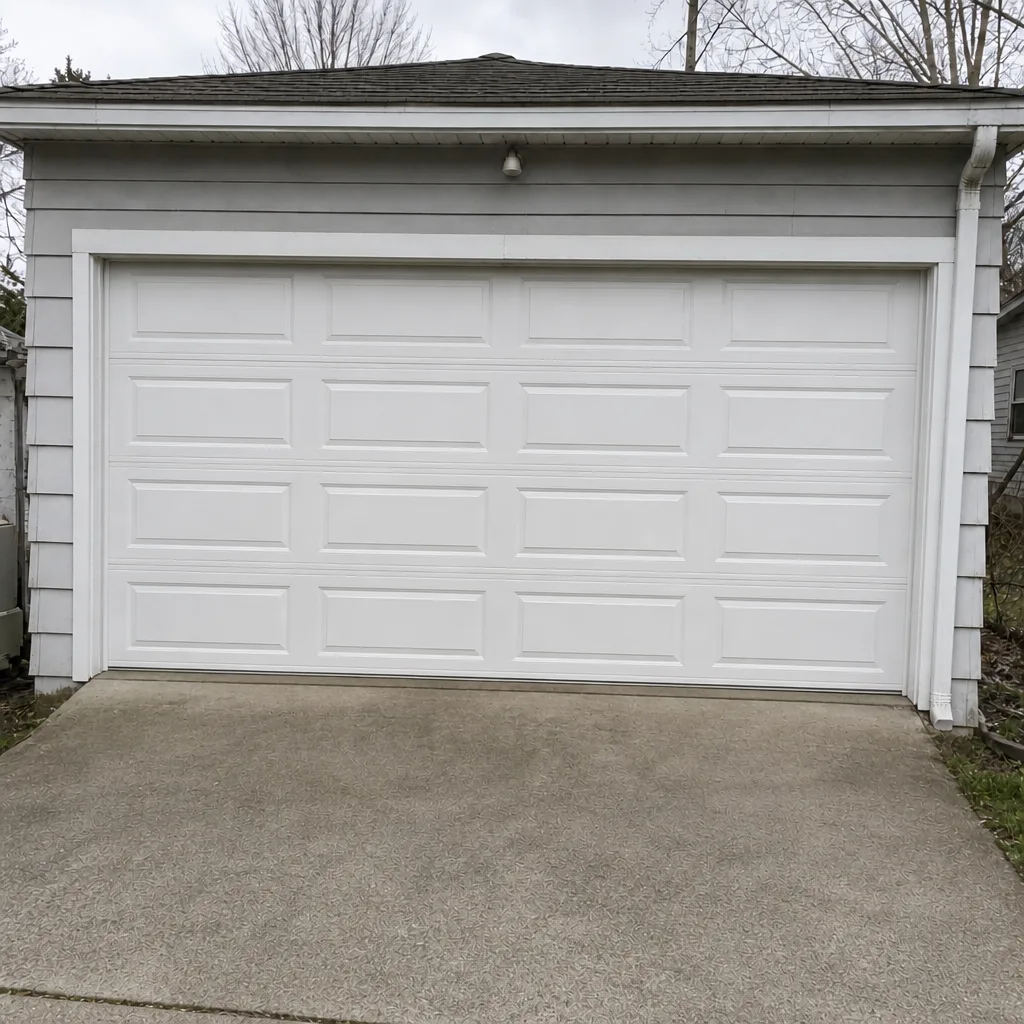
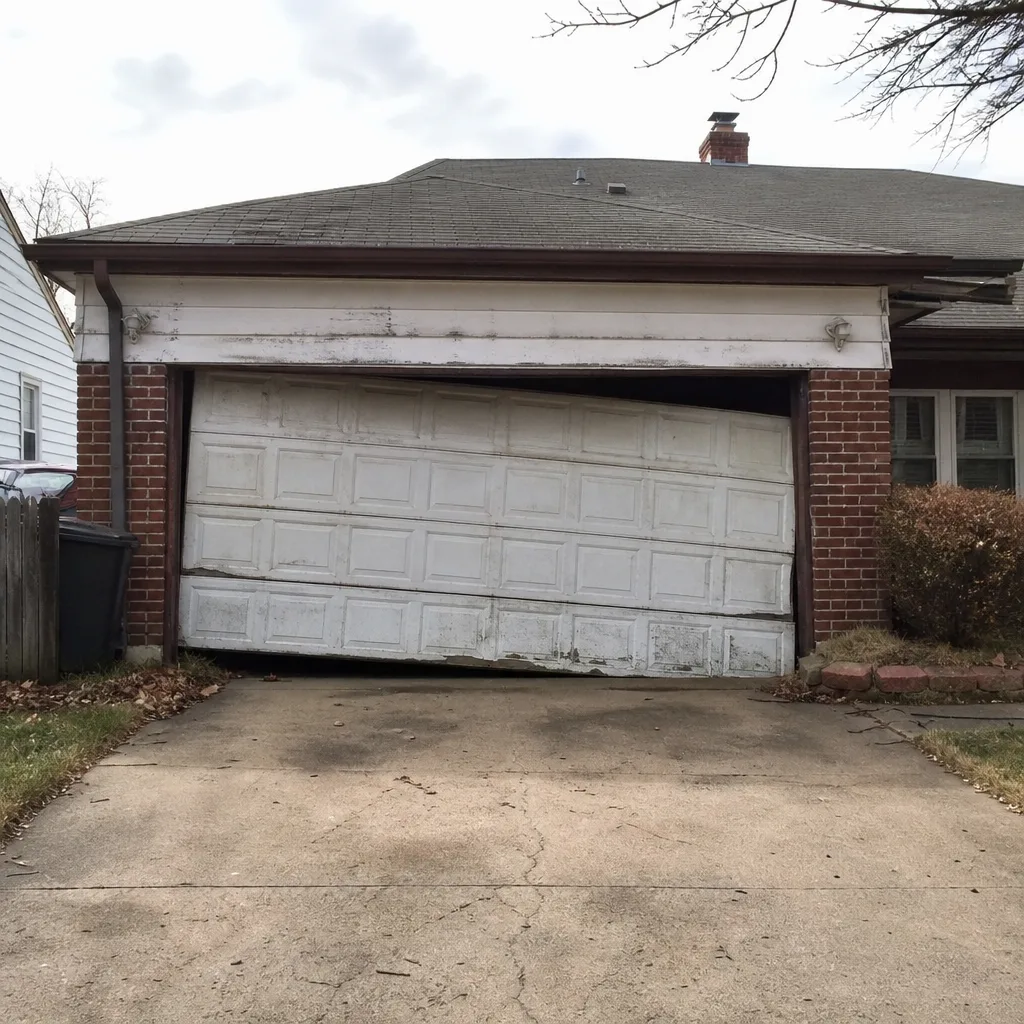
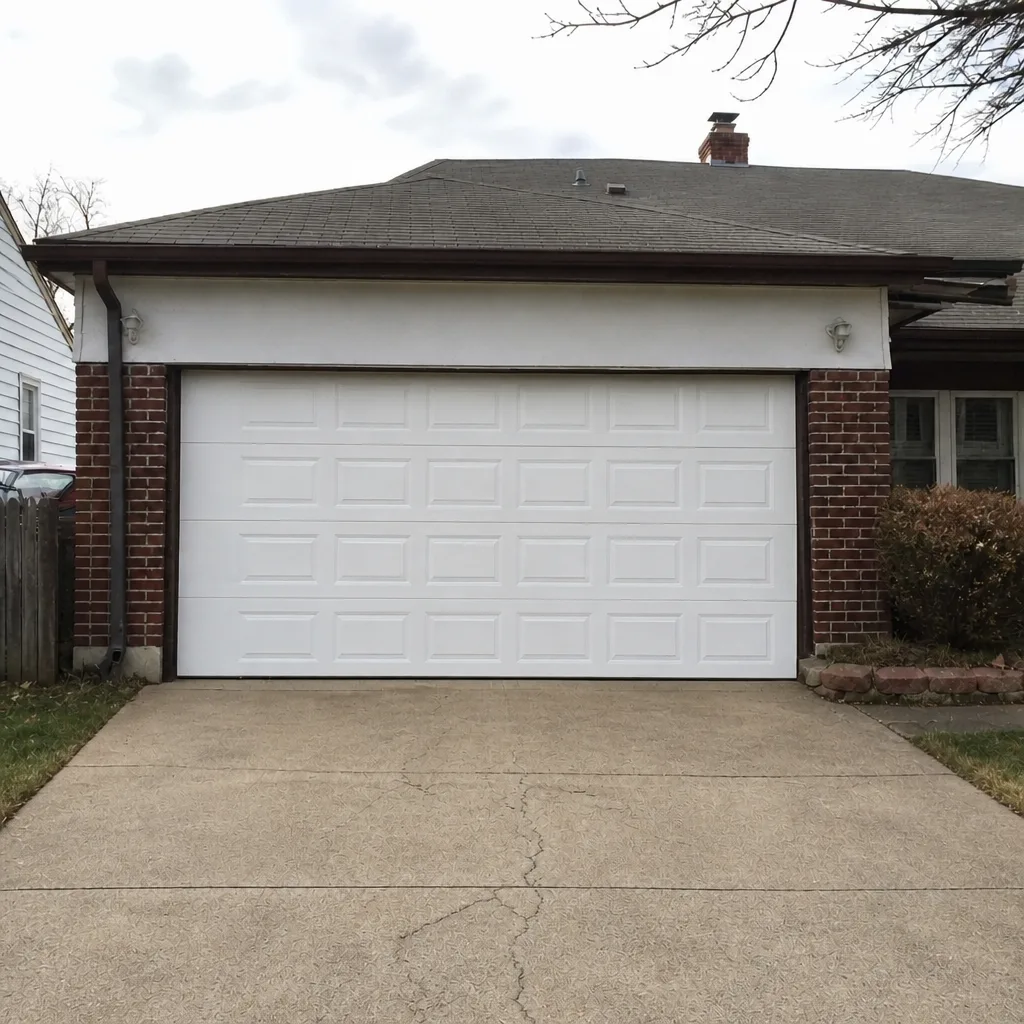
See the difference
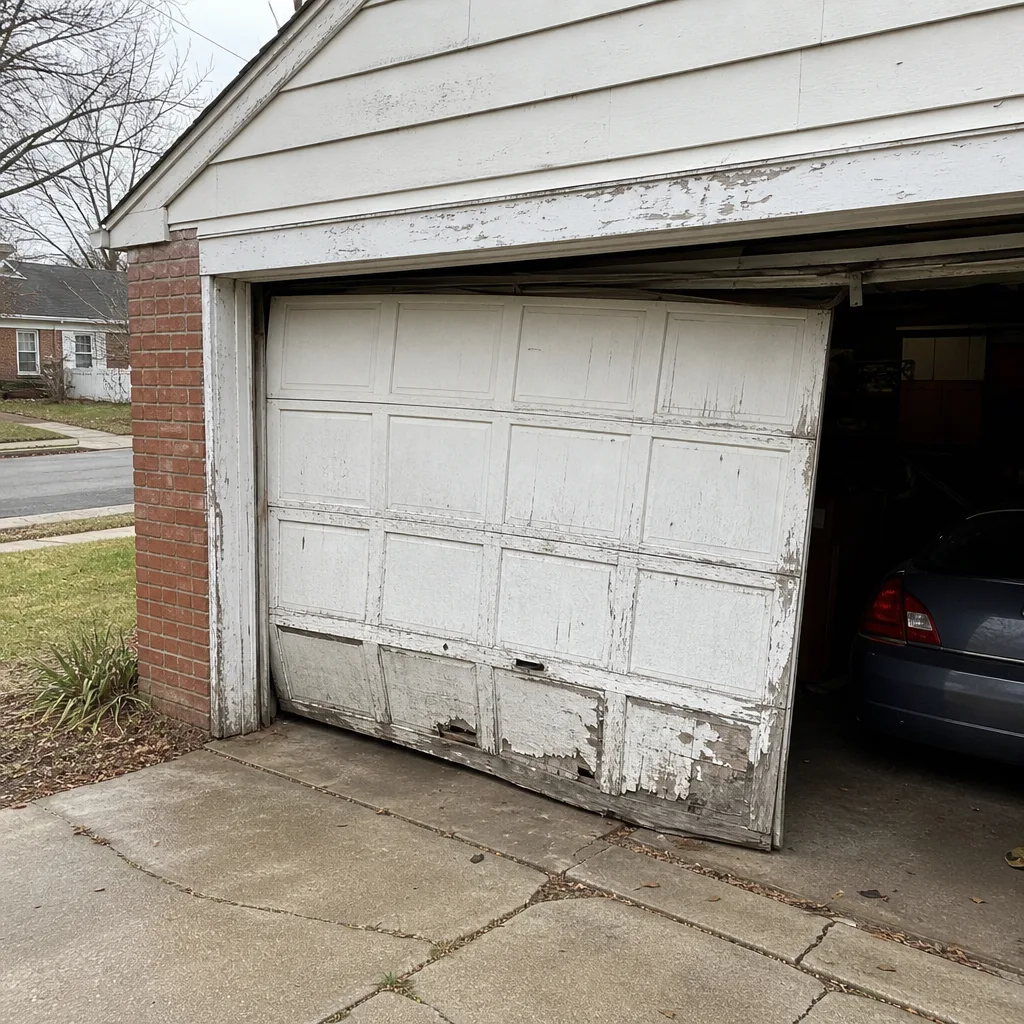 Before
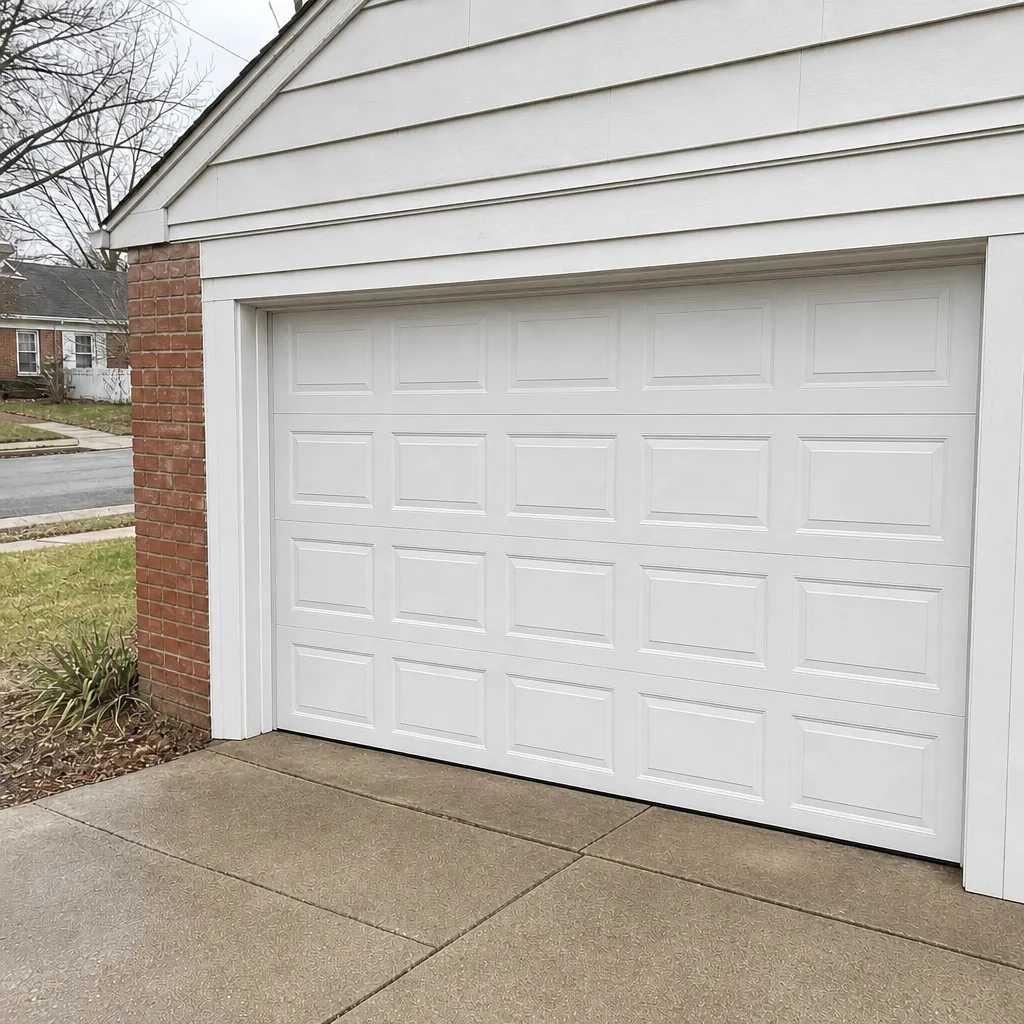 After
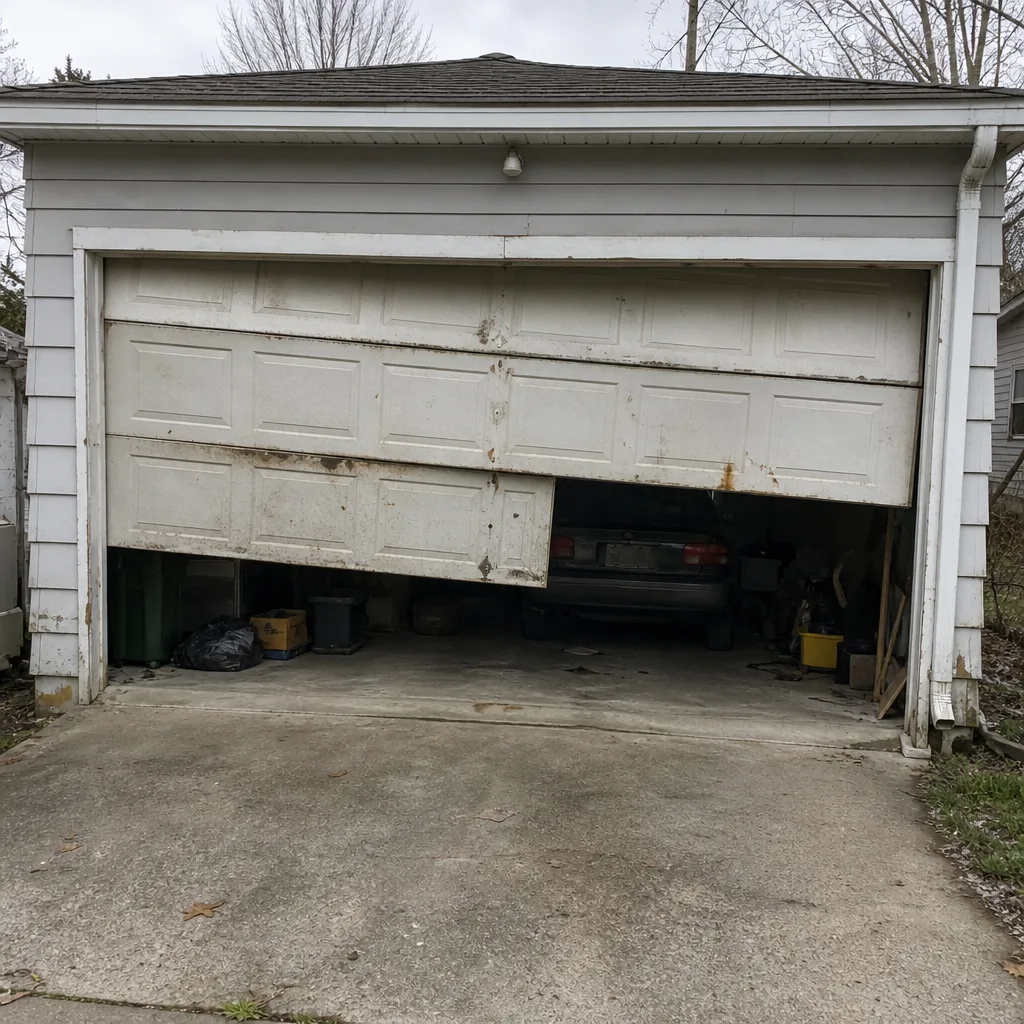 Before
 After
 Before
 After
When to Call a Professional
Call a professional when the job involves springs, cables, opener wiring, or anything structural. That covers more than most people expect. A broken torsion spring, a door that’s jumped its track, a LiftMaster opener that’s stuck in one position, a Genie unit that’s lost its travel limits, a door that shudders and shakes going up: these are all signs to stop and call. It’s the kind of work where the wrong move can turn a $300 job into a hospital visit or a $3,000 door replacement.
Garage Door Repair University City offers free estimates in University City. Call (866) 787-1709. We answer 24/7. Fast dispatch from 7am to 7pm, Sunday through Friday, and we’re closed Saturday. Every price is quoted and agreed before any work starts, and the written estimate is the price.
Frequently Asked Questions
In most cases no. A like-for-like replacement of the same size doors in the same opening in University City generally doesn’t require a permit. If you’re changing the rough opening, reframing the header, adding electrical for a new opener, or touching the wall between an attached garage and the house, you almost certainly do. Call the City of University City’s building department to confirm your specific scope. For help deciding which category your job falls into, call (866) 787-1709 and we’ll talk it through – estimates are free.
Like-for-like means the new door matches the old door’s size, type, and installation configuration, and nothing structural or electrical changes. Same opening width and height, same track layout, same spring type, same opener circuit. If the door you want requires cutting, widening, reframing, or new wiring, it isn’t like-for-like and you should assume a permit is needed. Call (866) 787-1709 if you want us to look at the opening before you commit to a door.
UL 325 is the safety standard for automatic garage door operators, and since 1993 it has required non-contact safety devices such as photoelectric eyes near the floor. Older openers in University City homes that predate that requirement can be flagged by an inspector or an insurance adjuster even when the opener isn’t the subject of a permit. The fix is straightforward: add the safety eyes, test the contact-reverse function, and check the manual release. Call (866) 787-1709 for an opener evaluation – estimates are free.
Yes. The door between an attached garage and the living space has to be a solid wood door at least 1-3/8 inches thick or a 20-minute fire-rated door, with self-closing hardware and a smoke-sealing threshold. This is a life-safety requirement in the residential code and it’s a common miss in older University City houses. If yours was swapped for a hollow-core interior door, that’s a quick fix worth doing before a home inspection finds it. Call (866) 787-1709 if you want us to check the door and the wall while we’re on site.
Often yes, as long as the opening, framing, and electrical are untouched. That’s the practical reality of most like-for-like replacements in University City. The one thing to confirm first is whether the new door’s installation instructions require anything the old door didn’t, like a different mounting surface or a different spring anchor. If it does, the permit question gets more complicated. Call (866) 787-1709 for a free measure and a written price before you order.
Missouri’s seller disclosure rules require you to disclose known material issues, and unpermitted structural or electrical work counts. At the buyer’s inspection, an unpermitted change to the opening or a missing fire-rated door will likely be flagged, and the buyer may ask for a retroactive permit and inspection, or for the work to be corrected. The cheapest fix is to address it before the listing goes live. Call (866) 787-1709 and we’ll help you figure out what needs to be corrected.
The Bottom Line
Most garage door replacements in University City don’t need a permit. The exceptions matter more than the rule. Any change to the rough opening, the framing, the electrical, or the fire separation wall moves you into permitted territory, and retrofitting that paperwork after the fact is more expensive than pulling it upfront. UL 325 compliance for older openers, a proper fire-rated door on the attached garage, and clean records at the time of sale are the three details that most often catch homeowners out. Get those right, and the rest of the garage door conversation is simple. If you want help mapping your project, Garage Door Repair University City offers free estimates. Call (866) 787-1709 for a free estimate. We answer 24/7, with fast dispatch from 7am to 7pm, Sunday through Friday.
For service or a fast diagnosis, start with Garage Door Repair University City.
Written by the team at Garage Door Repair University City.