
Last updated November 23, 2026
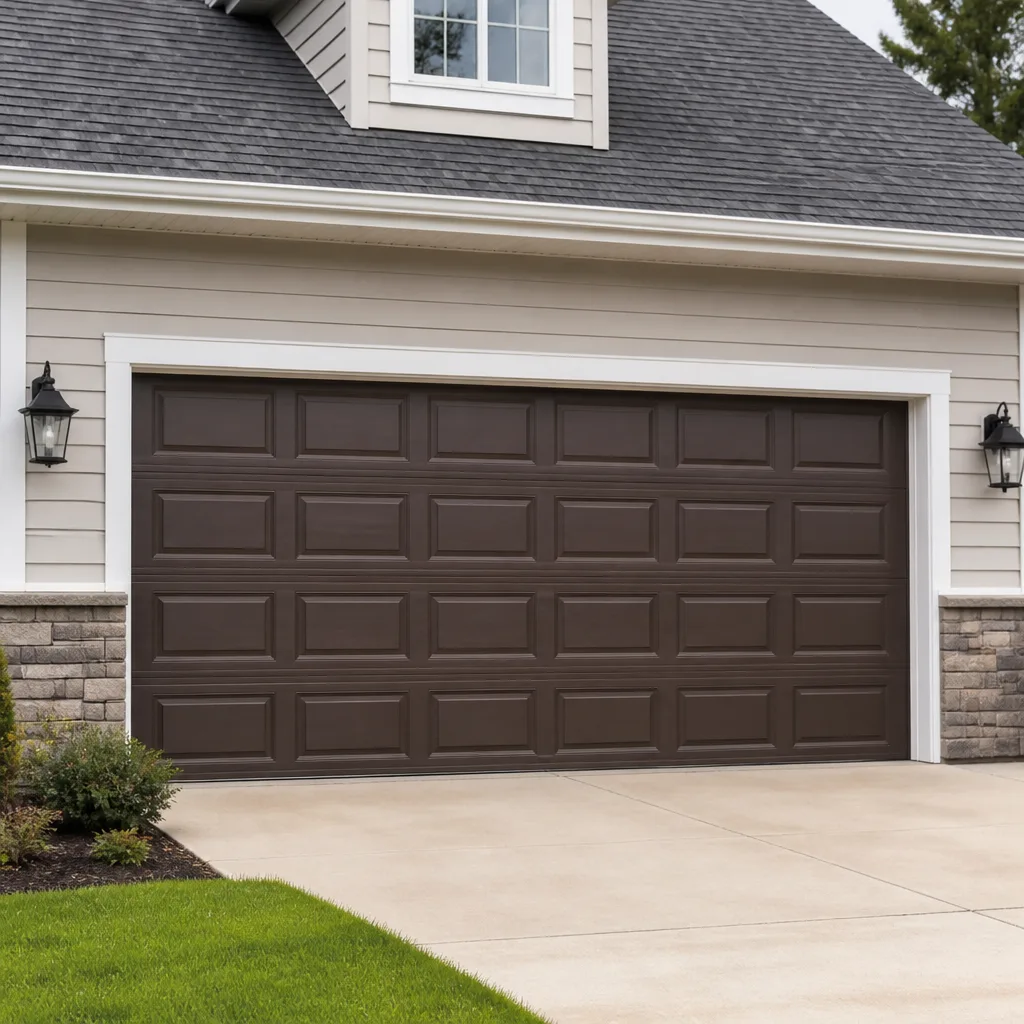 Raised-panel steel
 Carriage house
 Modern flush
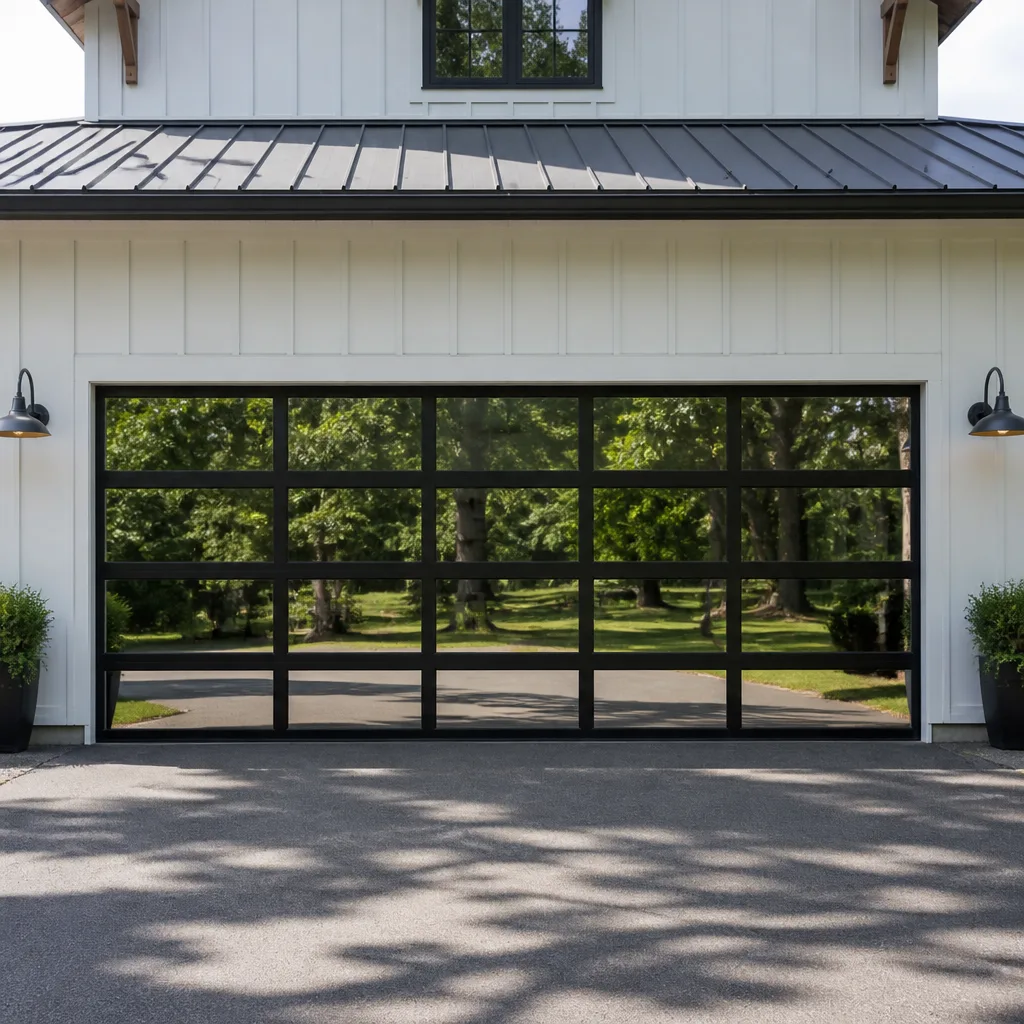 Full-view glass
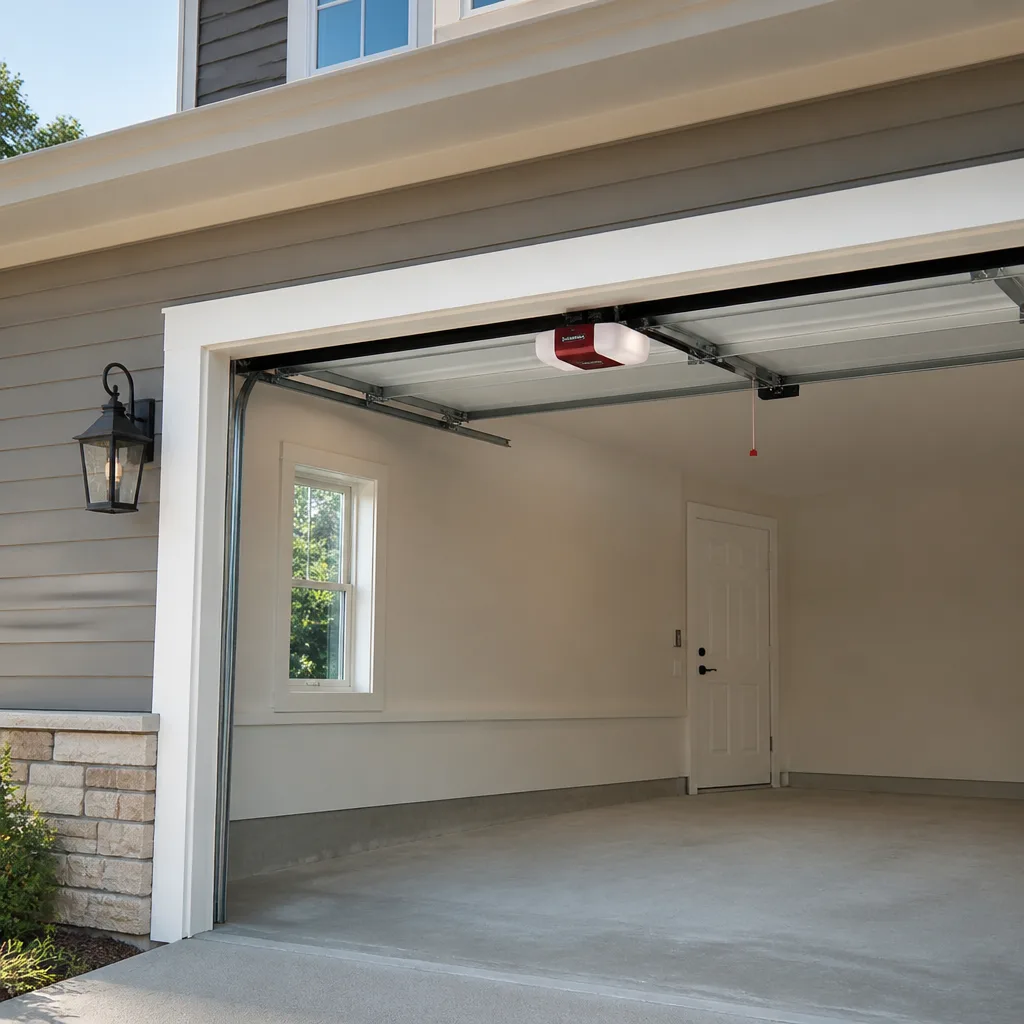 LiftMaster openers
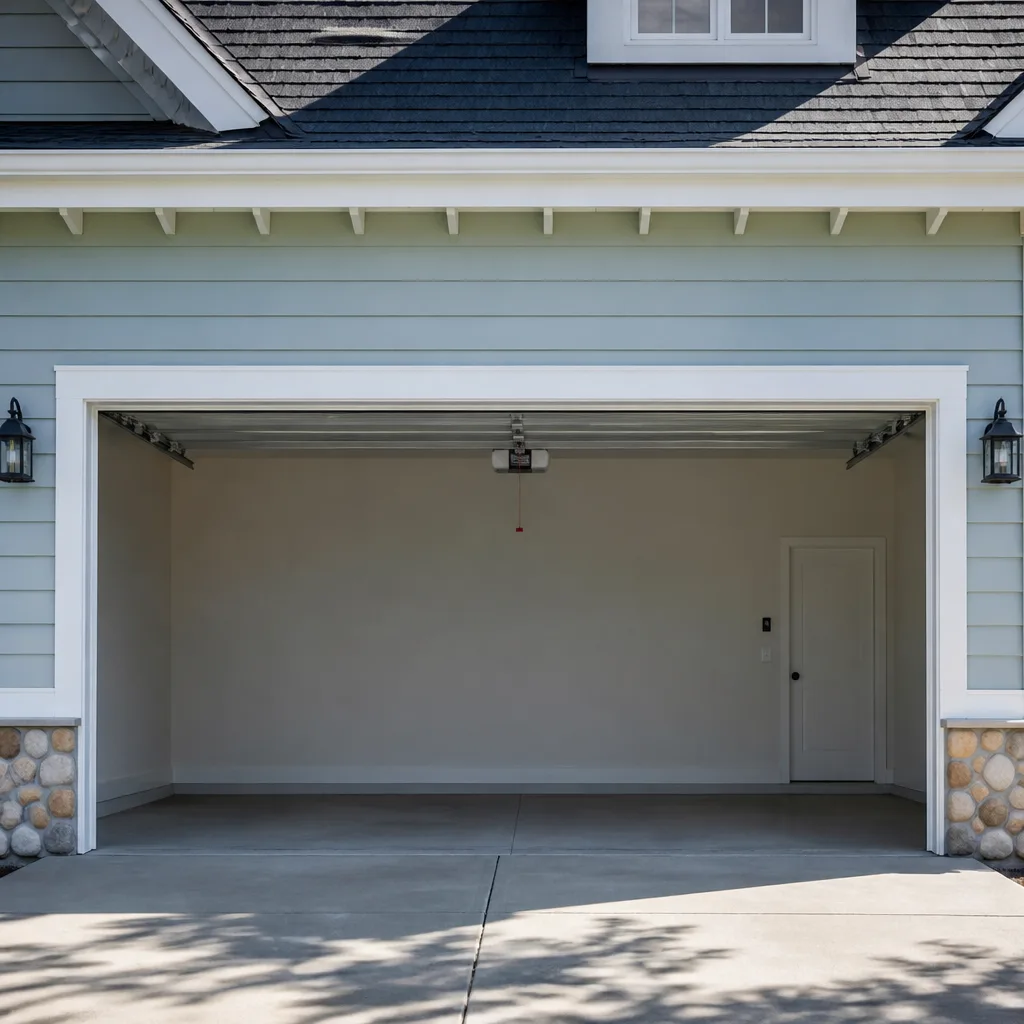 Chamberlain openers
Full 25-point door and opener safety check with every visit - springs, cables, rollers, tracks, and your LiftMaster or Chamberlain opener included
You get a price before we start. It does not change when the pro arrives.
Get your free estimateDIY vs Professional Garage Door: The University City Homeowner’s Decision Guide
A torsion spring stores roughly 100 foot-pounds of torque. It is not a task where “go slow and be careful” changes the risk calculus. The honest DIY guide tells you exactly where to stop, not because of liability, but because the physics don’t care about your confidence. This guide draws a clear line between the garage door work a University City homeowner can safely handle and the work that belongs to a trained technician. We’ll break down tasks one by one, explain why torsion springs and extension springs are not the same risk, run the math on DIY opener installation, and cover the tools and clearance problems that trip up homeowners in older University City housing stock.
Styles & brands we work with
- Raised-panel steel
- Carriage house
- Modern flush
- Full-view glass
- LiftMaster openers
- Chamberlain openers
Quick Answer
Most garage door maintenance is genuinely DIY-safe: cleaning tracks, lubricating rollers, replacing weatherstripping, and tightening accessible bolts. But spring work, cable work, and anything involving the door’s counterbalance system should never be a DIY job, because a torsion or extension spring under load can cause serious injury in a fraction of a second. Opener installation sits in the middle: an experienced DIYer with the right tools can manage a plug-in unit swap, but hardwired openers, non-standard clearances, and older University City homes usually push the job to a professional. When in doubt, call a technician. The right fix, not the easy one, is always the safer bet.
Table of Contents
- Where the DIY Line Actually Falls
- The Task-by-Task Breakdown
- Torsion vs Extension Springs: Why One Is Categorically Different
- DIY Opener Installation vs Professional: The Cost-Benefit Math
- Clearance Traps in University City’s Older Homes
- The Tools That Define Your Risk Profile
- Common Mistakes to Avoid
- When to Call a Professional
- Frequently Asked Questions
- The Bottom Line
Where the DIY Line Actually Falls
The DIY vs professional debate is usually framed as a skill question: how handy are you? That framing is wrong, and it leads University City homeowners into dangerous territory. The real question is whether the task involves stored mechanical energy that can release faster than human reaction time. Skills can be learned. Reaction time cannot be improved enough to matter against a loaded torsion spring.
Garage doors operate on a counterbalance system. The door itself can weigh hundreds of pounds, and the springs, whether torsion or extension, provide the force that makes a heavy door move easily and stop where you leave it. When the system is under tension, any task that involves adjusting, removing, or replacing a component of that system exposes you to that stored energy. That’s the dividing line.
Tasks that sit entirely outside the counterbalance system are a different story. Cleaning and lubricating track, checking the photo-eye alignment on the opener, replacing a weather seal, resetting a wall-mounted opener control, and visually inspecting cables and rollers for wear all fall into the DIY-safe category. These tasks carry low risk and don’t involve stored energy.
University City’s housing mix, from older bungalows to mid-century splits, means door systems vary widely. Some have decades-old torsion setups, others have newer extension systems, and a few have been retrofitted in ways that don’t match the manufacturer’s original spec. Before you decide a task is DIY-safe, make sure you actually know which system you’re looking at. If you can’t identify whether your door uses torsion or extension springs, that’s your first clue the job belongs with a technician who diagnoses by name, not by guess.
The Task-by-Task Breakdown
Here’s the honest breakdown. Each task is classified by whether the risk is genuinely manageable or whether it crosses into territory that requires professional training and equipment. This list assumes a standard residential door; non-standard systems, older hardware, and unusually heavy doors can push even “green” tasks into professional territory.
DIY-safe tasks
- Lubricating hinges, rollers, and springs (with a proper garage door lubricant): Low risk, high return. Do this a couple of times a year to reduce wear and noise.
- Cleaning the track: A rag and mild solvent. Remove loose debris and wipe down the channel. Don’t bend or force the track.
- Replacing weatherstripping and bottom seals: These are rubber or vinyl components with no stored energy. Straightforward for most homeowners.
- Testing and aligning photo-eye sensors: A simple alignment check and a wipe-down is fine. Re-mounting loose sensors is also manageable.
- Testing the auto-reverse function: Place an object in the door’s path and confirm the door reverses. This is a safety check, not a repair.
- Tightening visible, accessible bolts on hinges and brackets: Use the correct size wrench, don’t over-torque, and never touch a bolt that connects to a spring or cable anchor point.
Professional-only tasks
- Torsion spring replacement or adjustment: High-tension energy, requires winding bars and specific training. Not a DIY task under any circumstances.
- Extension spring replacement or adjustment: Less stored energy than torsion, but still dangerous and still requires the correct safety containment and hardware.
- Cable replacement or adjustment: Cables are under tension whenever the springs are loaded. Failures can be sudden and violent.
- Bottom bracket work: The bottom bracket is where the cable attaches. It is under constant tension and one of the more dangerous components on the door.
- Track replacement or major straightening: Bent or misaligned track changes the door’s travel geometry and can fail catastrophically.
- Panel or section replacement on a loaded door: Requires safely relieving spring tension first. Always professional.
- Opener replacement on a hardwired circuit, or on a door with unusual clearance: See the opener section below for details.
Torsion vs Extension Springs: Why One Is Categorically Different
Homeowners often assume all garage door springs are equal risk, and that’s a mistake in both directions. Torsion and extension springs store energy differently, fail differently, and demand different working techniques. Understanding the distinction is the single most useful piece of knowledge a University City homeowner can carry into a DIY decision.
Extension springs run along each side of the door, stretching as the door closes and contracting as it opens. Older extension systems sometimes lack a safety containment cable, which means when they fail, they can release their energy with a violent snap in an uncontrolled direction. That’s not hypothetical; it’s a well-known failure mode that the safety cable exists to contain. Modern extension systems typically include that cable, but it must be correctly installed and not damaged.
Torsion springs are mounted horizontally above the door on a torsion bar, and they store energy by twisting. They are generally considered safer in normal operation than uncontained extension springs because they’re contained on the bar, but the working risk is higher. Adjusting or replacing a torsion spring requires carefully controlled winding and unwinding with the correct bars, and the energy stored is substantial, roughly in the neighborhood of 100 foot-pounds of torque for a typical residential spring at operating tension. That’s enough to cause serious injury if a winding bar slips or a spring lets go mid-adjustment.
The categorical difference, then, is not just “torsion is bigger.” It’s that torsion work requires a specific technique and tooling that extension work doesn’t, and the failure mode during adjustment is different in kind. A DIYer who gets an extension spring swap wrong has a bad day. A DIYer who gets a torsion spring adjustment wrong is exposed to an injury risk that “careful” doesn’t meaningfully mitigate. This is why garage door spring repair is a specialist task; the physics don’t care how careful you are. If a spring has failed and the door is stuck, that’s an emergency call, not a weekend project.
DIY Opener Installation vs Professional: The Cost-Benefit Math
Opener installation is where the DIY math gets interesting, and where most University City homeowners get it half-right. The question isn’t “can I install an opener?” It’s “does the specific job I’m facing fit the DIY profile?”
On paper, the savings from a DIY opener install look meaningful. The unit costs the same whether you buy it or a technician does, and the labor is the variable. If a plug-in replacement on an existing standard mount takes a couple of hours and the unit is compatible with your door and existing safety hardware, a confident DIYer with the right tools can come out ahead. Where it pencils out in favor of professional installation is in three places:
- Hardwired connections. Most modern openers run on standard 120V outlet power, but some installations involve hardwired low-voltage connections to wall controls, safety sensors, or accessories. If the existing install has any hardwiring you don’t fully understand, the labor savings evaporate fast once you factor in the risk of an incorrect connection, and that’s on top of the electrical safety question.
- Force and travel calibration. An opener that isn’t correctly calibrated can fail to reverse on obstruction, which is a safety issue. Modern openers, including units from LiftMaster, Chamberlain, and Genie, have nuanced calibration procedures. Getting this wrong doesn’t always show up immediately, which is the dangerous part.
- Smart-home pairing and app integration. If you bought a smart opener specifically for app control or home-automation integration, the setup is where most DIY installs stumble. A technician who works on the brand regularly knows the pairing sequence and the common gotchas.
Our technicians have up to 9 years of experience, and we work on LiftMaster, Chamberlain, Genie, and Craftsman openers routinely. That fluency is exactly why garage door opener repair is usually a faster route than a DIY install that stalls halfway through. If you’re facing a failed opener on a door you depend on, we answer 24/7 and offer fast dispatch from 7am to 7pm, Sunday through Friday. A technician who knows your brand gets it right the first time and gets you back on track today.
Clearance Traps in University City’s Older Homes
Some of the most common DIY opener installation failures in University City don’t happen because of anything the homeowner did wrong mechanically. They happen because the older homes here weren’t built with modern openers in mind. Clearance is the culprit, and it shows up in a few predictable places.
Headroom above the door is the first trap. Most modern openers need a specific minimum clearance between the top of the door in its open position and the ceiling. Older construction sometimes delivers that clearance and sometimes doesn’t, and it varies from home to home on the same block. A door that cleared fine with the previous opener might not clear with a newer model that has a different rail length or head unit size.
Side clearance matters too. The torsion bar, spring hardware, and track brackets all live in the same space, and a marginal fit that worked with the old hardware can interfere with new. And then there’s the door’s physical condition. A door that’s slightly out of balance with an older opener may hide the imbalance; put a newer, more precisely calibrated opener on it and the imbalance becomes obvious. That’s not an opener problem. That’s a door problem the opener was masking.
This is where a technician’s diagnostic eye earns its keep. If your University City home has an unusual clearance situation, a non-standard mount, or a door that’s been retrofitted over the years, a professional is going to catch it before it turns into a return, a re-drill, or a door that doesn’t quite open all the way. Brands like Amarr, Wayne Dalton, and Raynor have varying profile and hardware dimensions, so knowing the door is as important as knowing the opener. For full door replacement where the whole geometry is being reconsidered, garage door repair conversations often start with measuring clearance first.
The Tools That Define Your Risk Profile
The tool list is where a lot of DIY ambition quietly collapses, and that’s actually a useful filter. If you don’t own the right tools for a task, you probably shouldn’t be doing it. That’s not gatekeeping; it’s a practical read on the job’s design intent. The manufacturer assumes certain tooling exists in the hands of anyone performing the task.
For the DIY-safe tasks in this guide, the tool list is short and common:
- A socket set and wrenches in the sizes your hinges and brackets use
- Garage door lubricant (silicone or lithium-based, rated for garage door hardware)
- A soft cloth and mild cleaner for the track
- A step ladder rated for your weight and the height you need to reach
- Safety glasses, always, even for a lubrication job
For the professional-only tasks, the tools required are ones most homeowners don’t own and shouldn’t buy for a single job: winding bars sized for the specific spring, a proper spring containment and tension gauge, cable pullers, and the leverage tools designed specifically for bottom bracket and cable work. The absence of these tools is the honest signal that a task is professional territory. You can’t substitute a screwdriver for a winding bar, and attempting to do so is the classic path to injury.
One more tool note: a standard tension gauge for checking spring tension isn’t enough without the knowledge of what the reading should be. A technician working across brands like Craftman, LiftMaster, Chamberlain, and Genie knows the spec tolerances for each. That’s a knowledge tool as much as a physical one.
Common Mistakes to Avoid
- Attempting a torsion spring adjustment because the door “only needs a little tweak.” The word “tweak” has no place near a loaded torsion spring. The adjustment itself is the dangerous operation, not the failure.
- Substituting a screwdriver or pliers for winding bars. This is the most common shortcut, and it’s the one most likely to end in a hospital visit. Winding bars exist for a reason.
- Installing a new opener without checking headroom and side clearance against the door’s actual open position. In University City’s older homes, the clearance on paper doesn’t always match the clearance in the garage.
- Skipping the force calibration on a new opener install. A newly installed opener that hasn’t been correctly force-tested may not reverse on obstruction. Test it before you use the door.
- Cutting the safety containment cable off an older extension spring “because it’s in the way.” That cable is the only thing containing a failure. Don’t remove it.
- Assuming a door that runs smoothly is safe. A door can move correctly while its spring, cable, or bottom bracket is under load and degrading. Visual inspection of these components is part of routine maintenance.
- Trying to “just bend” a bent track back into place. Track geometry is precise. A track that’s been force-bent to look straight can cause premature roller wear or a door that binds and eventually fails.
When to Call a Professional
Call a professional for any spring work, any cable work, any bottom bracket work, and any opener installation on a hardwired circuit or on a door with unusual clearance. Call immediately, as in today, if your garage door won’t open because of a broken spring, if the door is stuck open, if the opener is humming without moving the door, or if the door has come off one of its tracks. These are the situations where emergency service is the right call, not a diagnostic appointment.
Garage Door Repair University City offers free estimates in University City, and we cover the full arc: opener repair, spring repair, panel and door repair, and full new door installation. Call (866) 787-1709. We answer 24/7. Fast dispatch from 7am to 7pm, Sunday through Friday. The written estimate is the price; you’ll know the total before any work begins.
Frequently Asked Questions
The line is stored energy. Tasks that don’t touch the counterbalance system, like lubricating hardware, cleaning track, or replacing weatherstripping, are safe for most homeowners. Any task involving springs, cables, or the bottom bracket should be professional. In University City, older homes make the line even firmer because clearances and hardware vary from home to home. Call (866) 787-1709 for an exact quote; estimates are free.
Yes, if it’s a like-for-like plug-in replacement with standard clearance and you’re confident with the calibration steps. In practice, many University City homeowners run into clearance, hardwiring, or calibration issues they didn’t anticipate. If any of those come up, stop and call a technician. Call (866) 787-1709 for an exact quote; estimates are free.
Torsion springs store energy by twisting and require winding bars and a specific technique to adjust. Extension springs store energy along the door sides and can be contained with a safety cable. Both are dangerous, but torsion work involving the winding bar is the higher-risk operation because a slip during adjustment is the highest-risk moment. Call (866) 787-1709 for spring repair; estimates are free.
The cost depends entirely on what’s wrong. A spring repair, an opener repair, a track realignment, and a panel replacement are different jobs with different labor and part requirements. The only reliable way to know is a written estimate. Call (866) 787-1709; the estimate is free and the price is set per job before any work starts.
No. The written estimate sets the price. If the technician finds something during the visit that the estimate didn’t anticipate, the quote is adjusted before any additional work begins and you approve it. You’re never invoiced for work you didn’t agree to. Call (866) 787-1709 for an exact quote; estimates are free.
The local professionals we connect you with are licensed and insured as their state requires. Our technicians have up to 9 years of experience and are familiar with major brands including LiftMaster, Chamberlain, Genie, Craftman, Amarr, Wayne Dalton, and Raynor. Call (866) 787-1709 for a free estimate.
The Bottom Line
Most garage door maintenance is genuinely DIY-safe: lubrication, track cleaning, seal replacement, and photo-eye checks. Spring work, cable work, and bottom bracket work are not, and the distinction between torsion and extension springs matters because torsion adjustment is the higher-risk operation. Opener installation is a gray area: it pencils out as DIY when the clearance is standard and the connection is simple, and it doesn’t when either of those breaks. In University City’s older homes, clearance issues are common enough that professional installation is usually the faster path. When your door is down and you need it back on track today, that’s when you call us.
If you need garage door repair in University City or you’re ready to stop guessing at a DIY job and get a straight answer, call (866) 787-1709 for a free estimate. We answer 24/7. Fast dispatch from 7am to 7pm, Sunday through Friday. The right fix, not the easy one, is how we approach every job.
Written by the team at Garage Door Repair University City.
See the difference
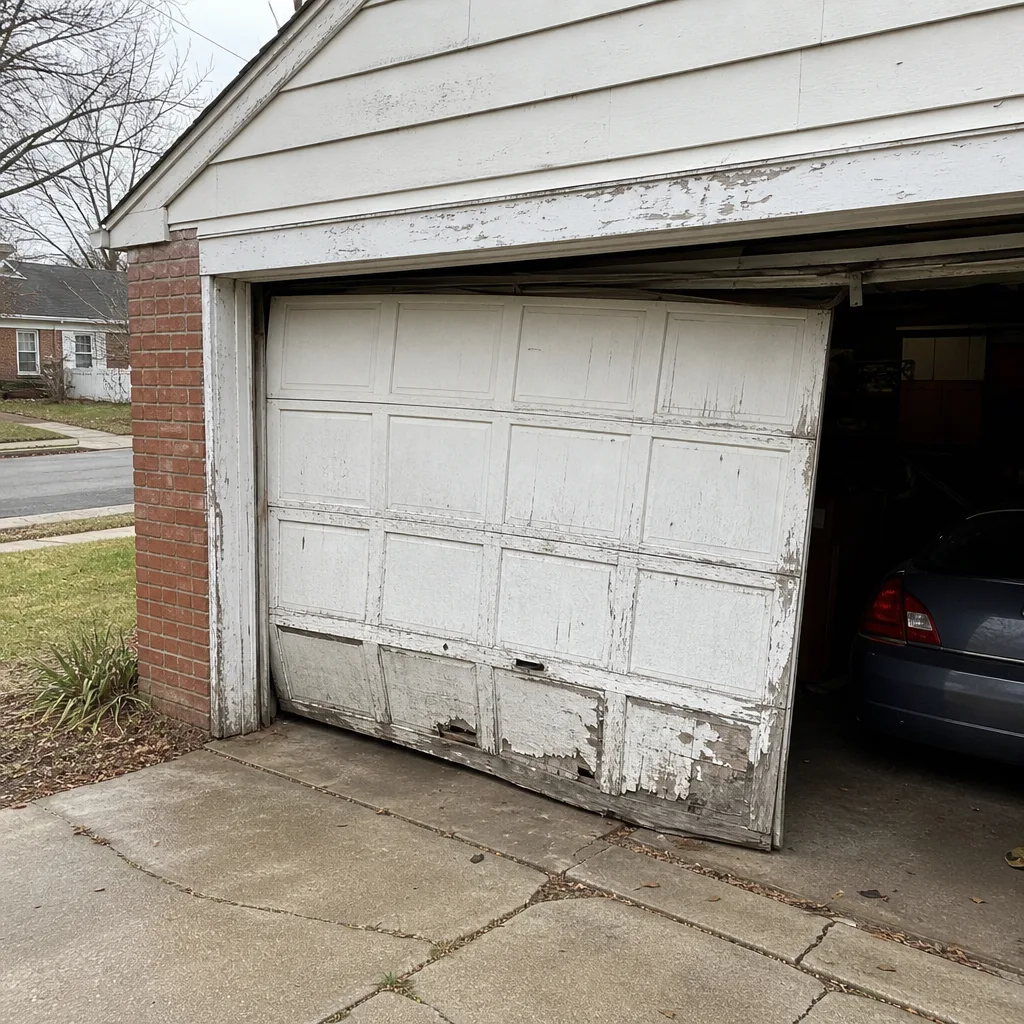 Before
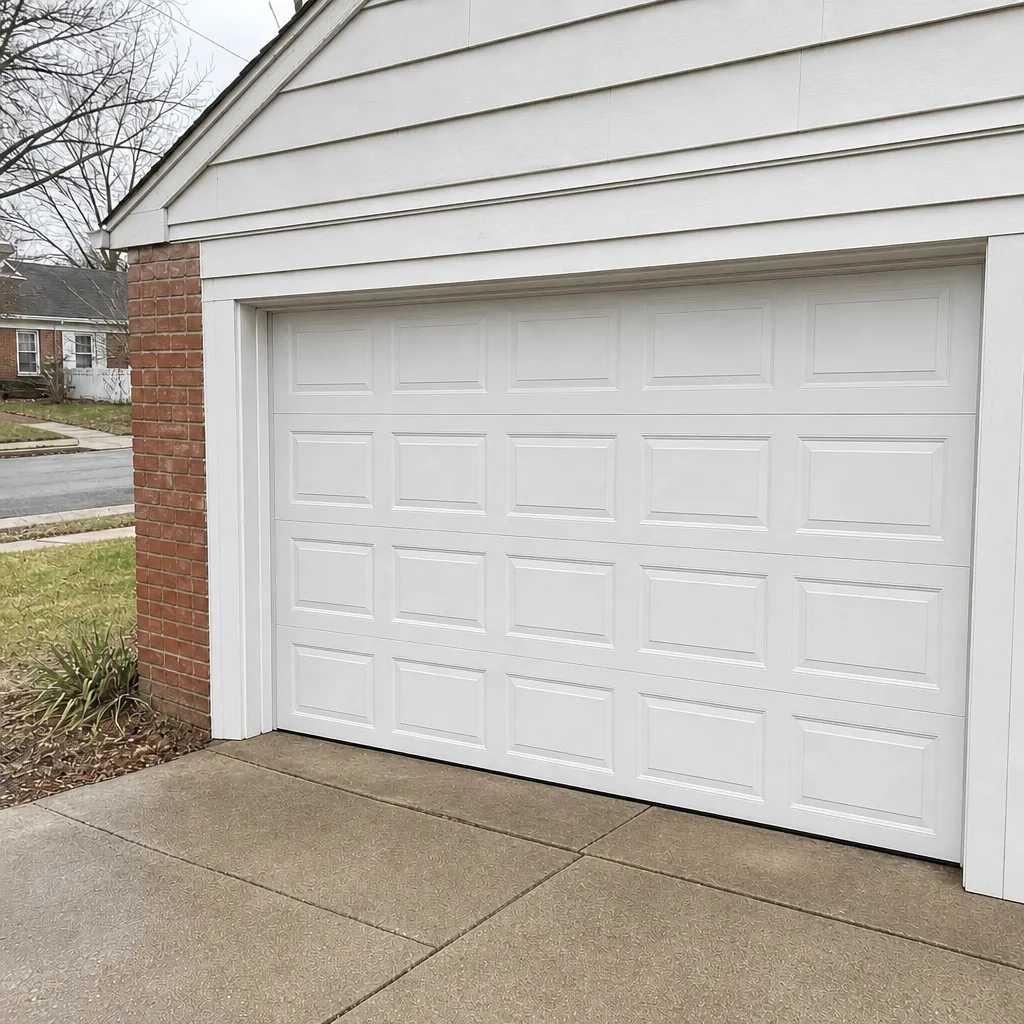 After
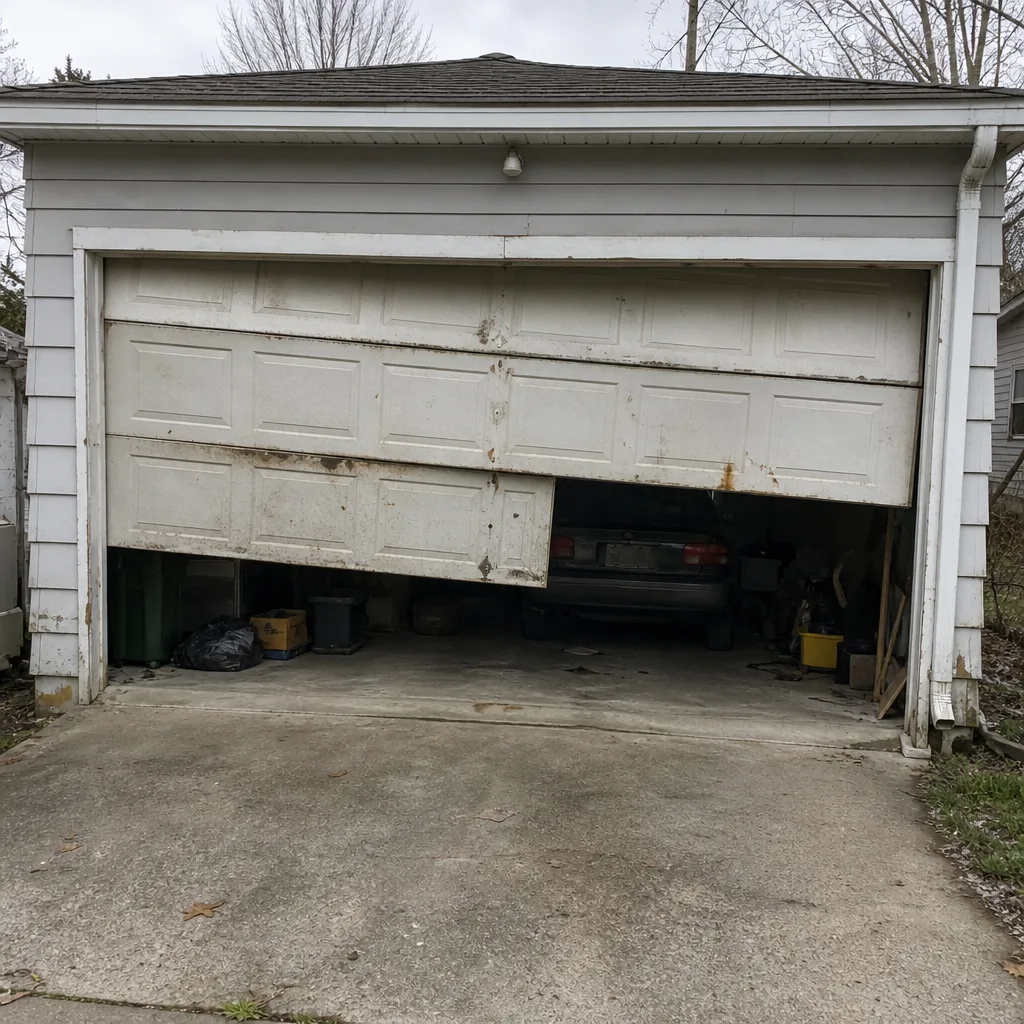 Before
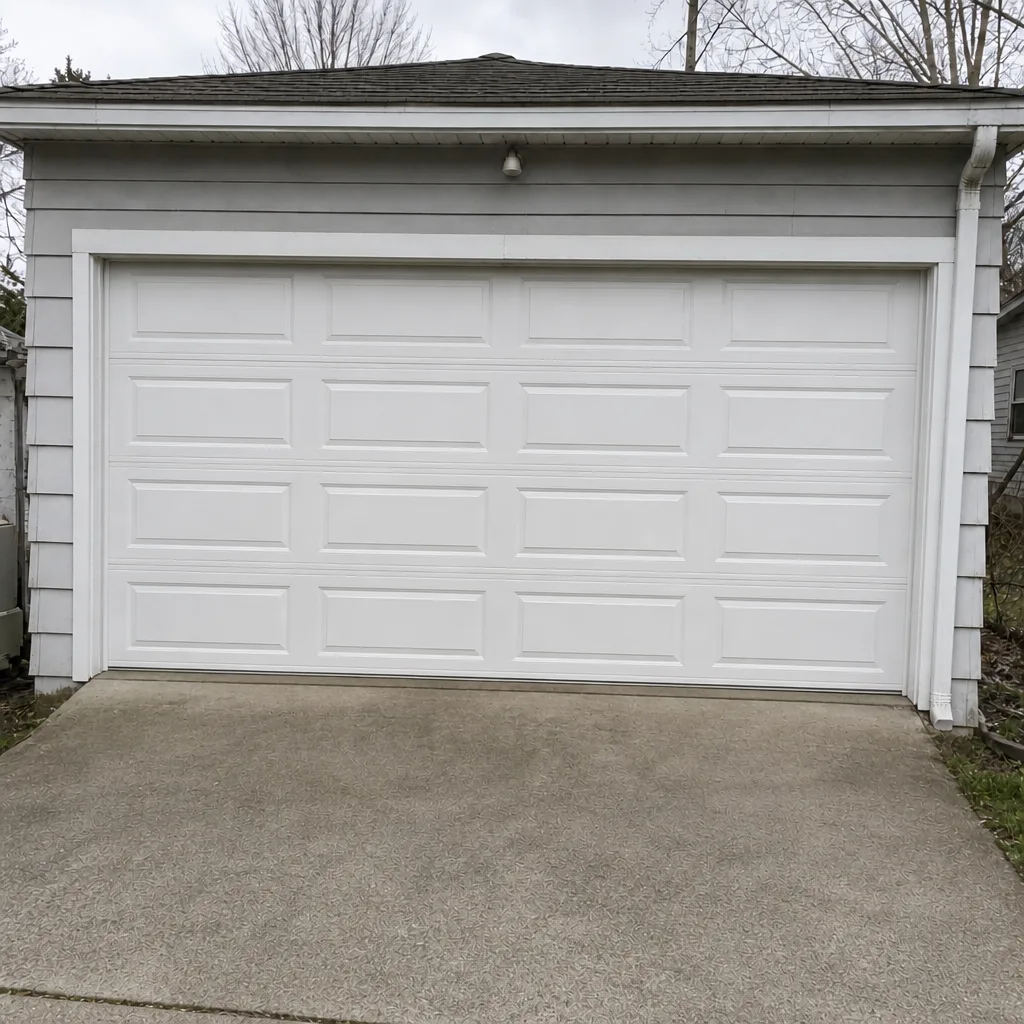 After
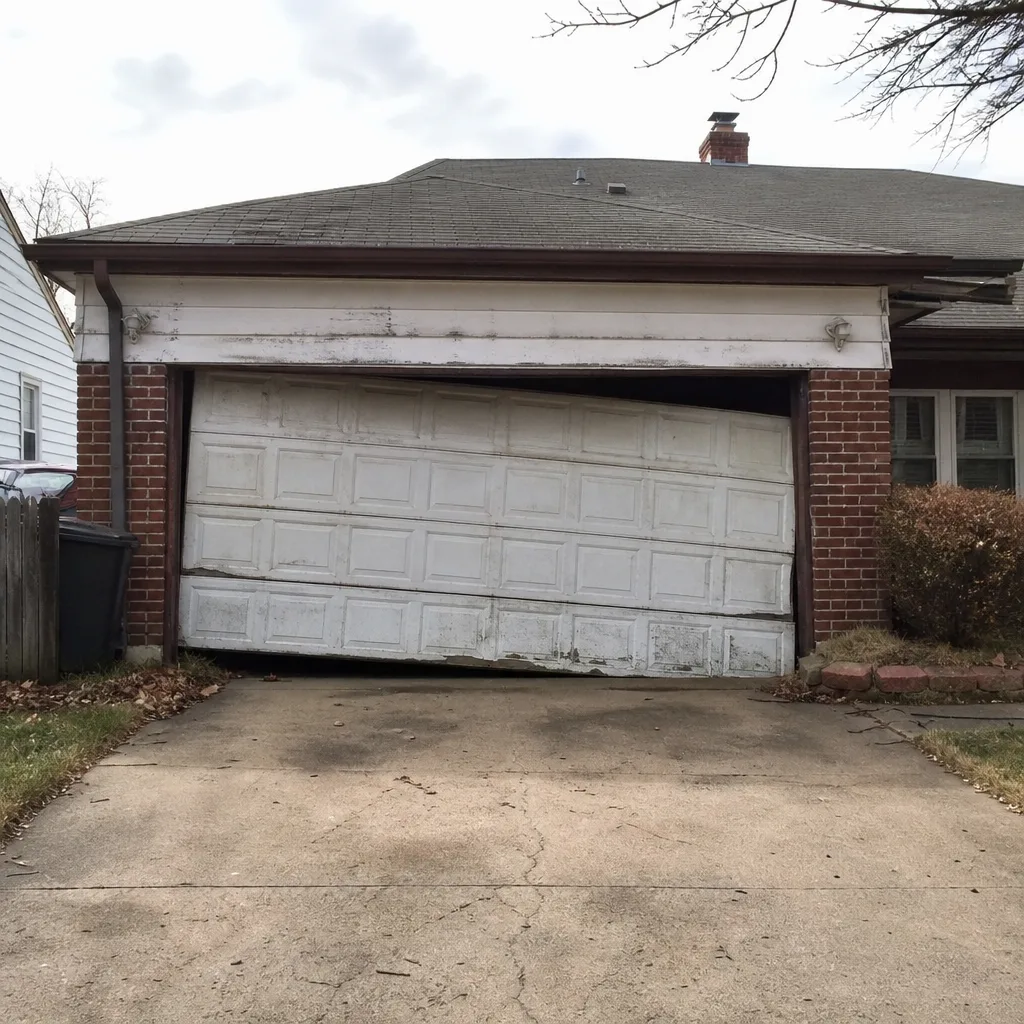 Before
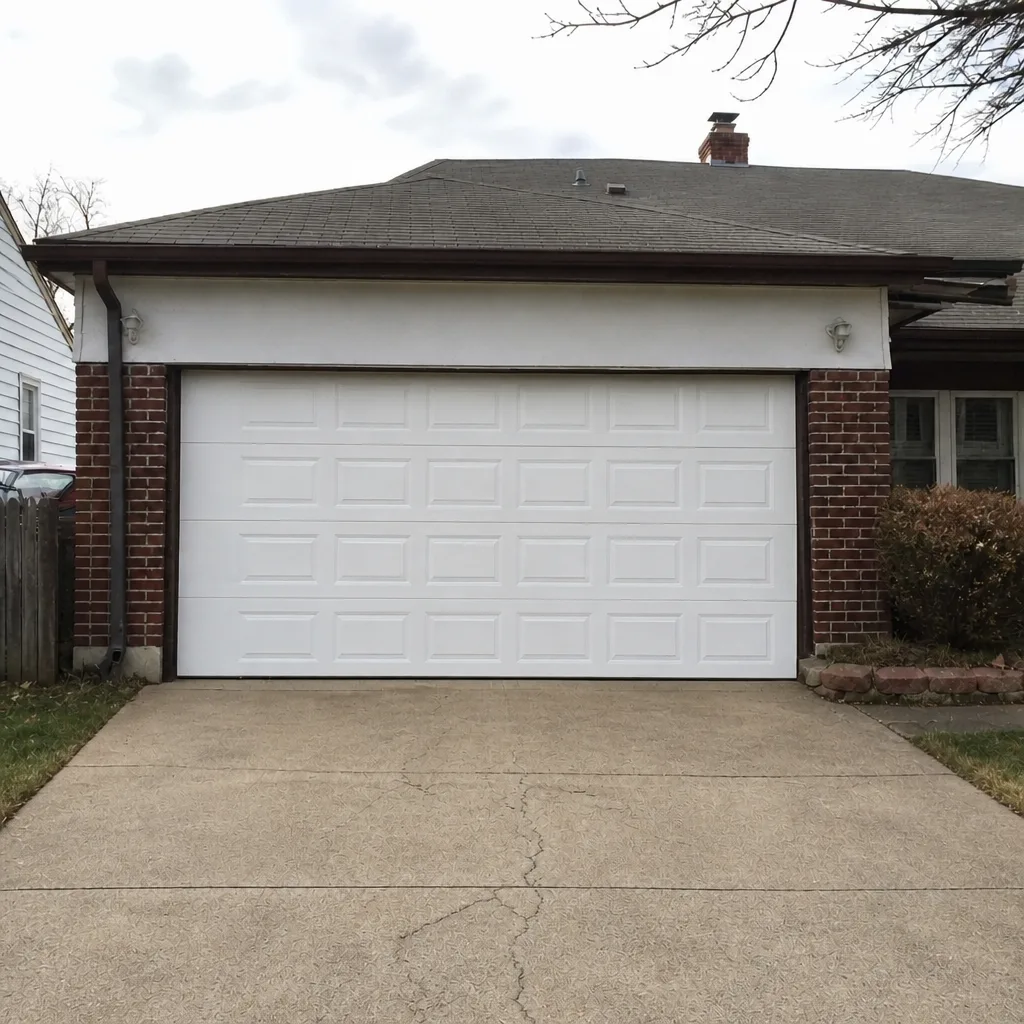 After