
Last updated November 23, 2026
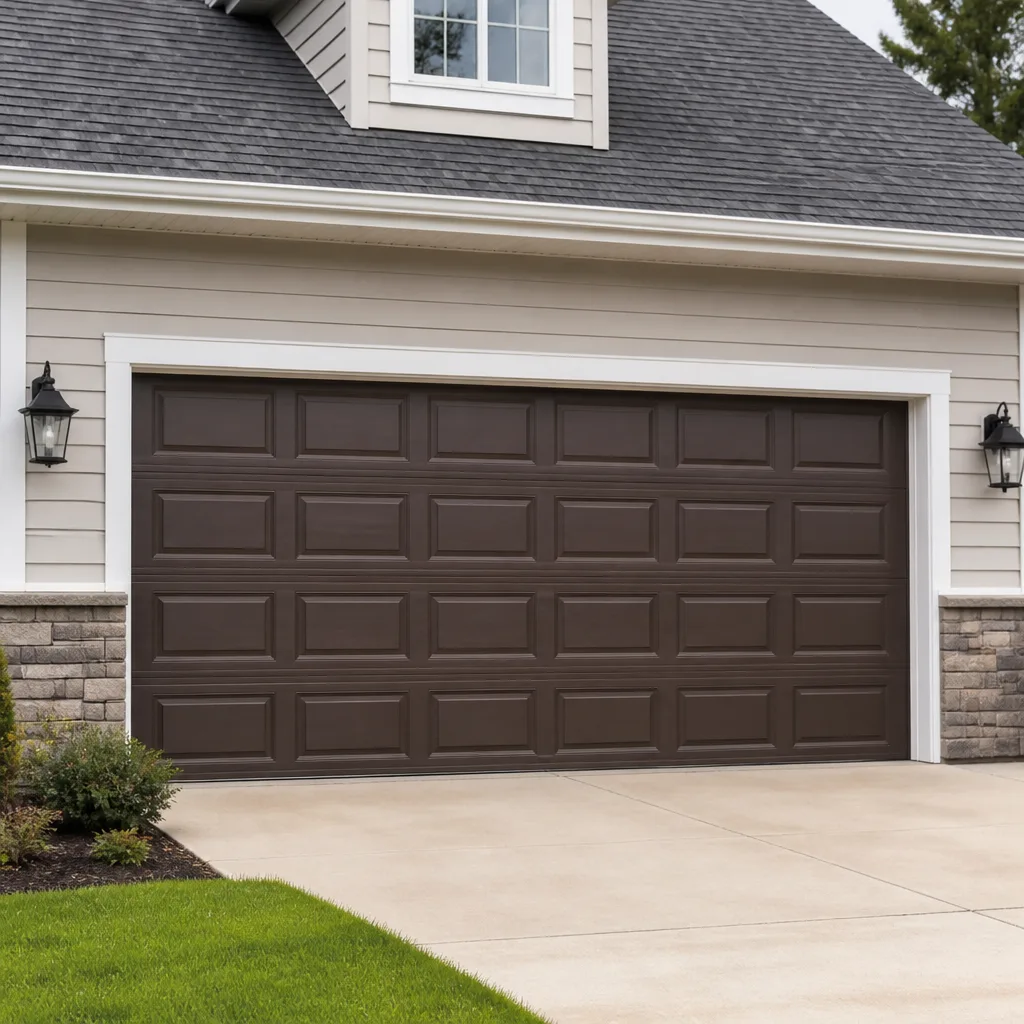 Raised-panel steel
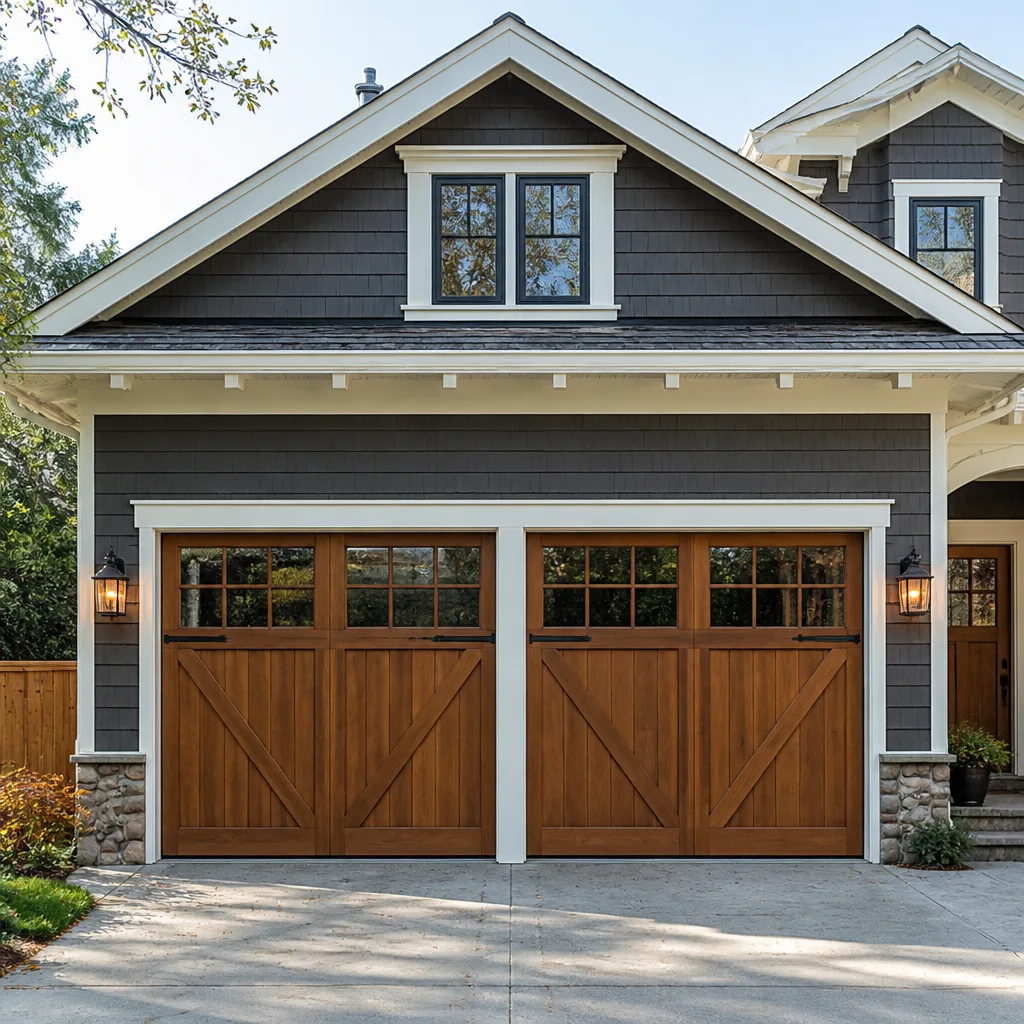 Carriage house
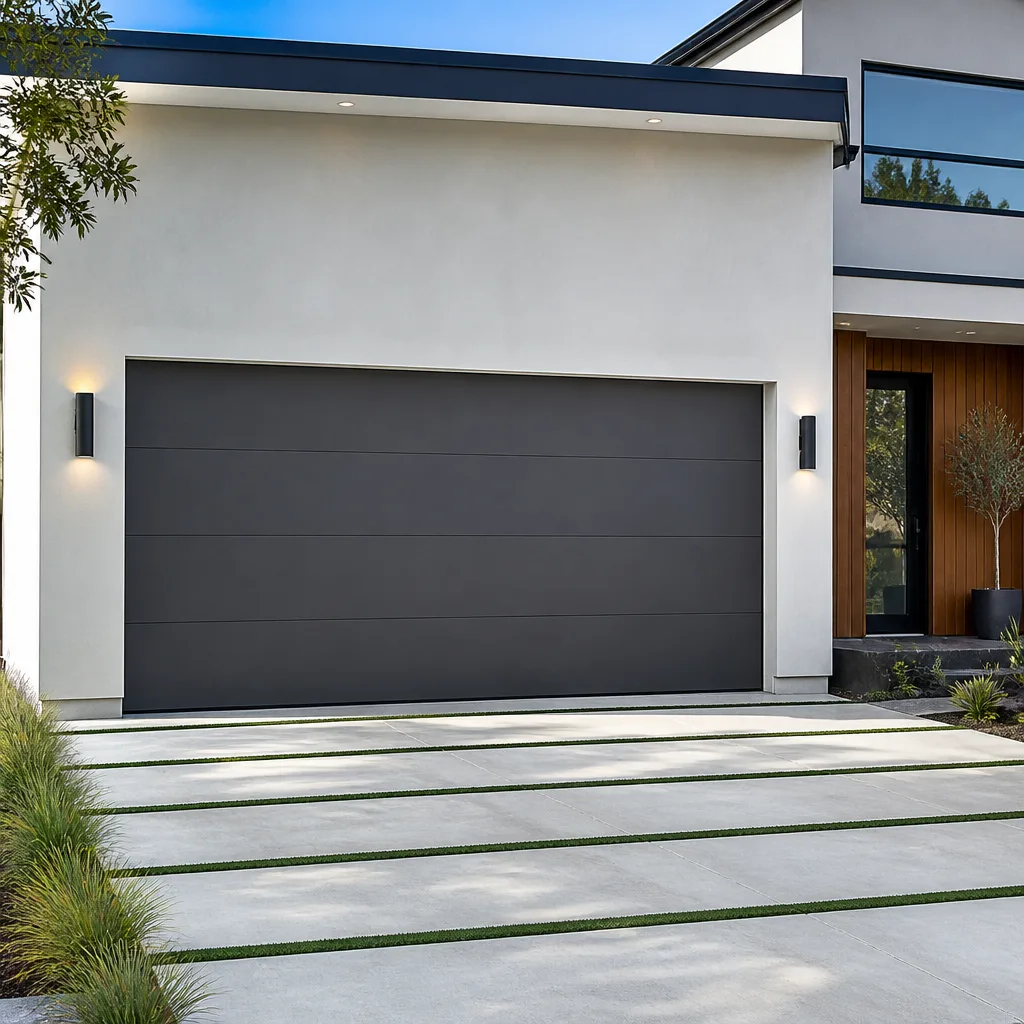 Modern flush
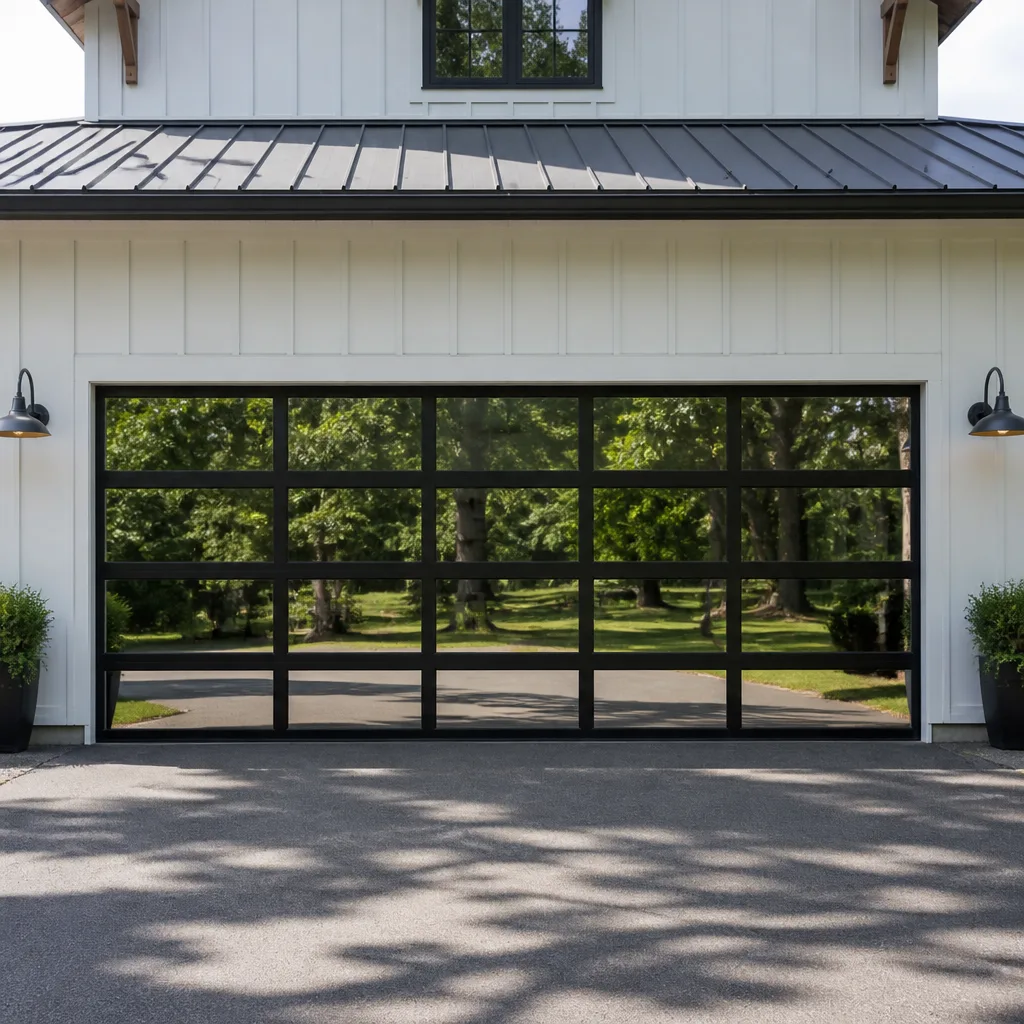 Full-view glass
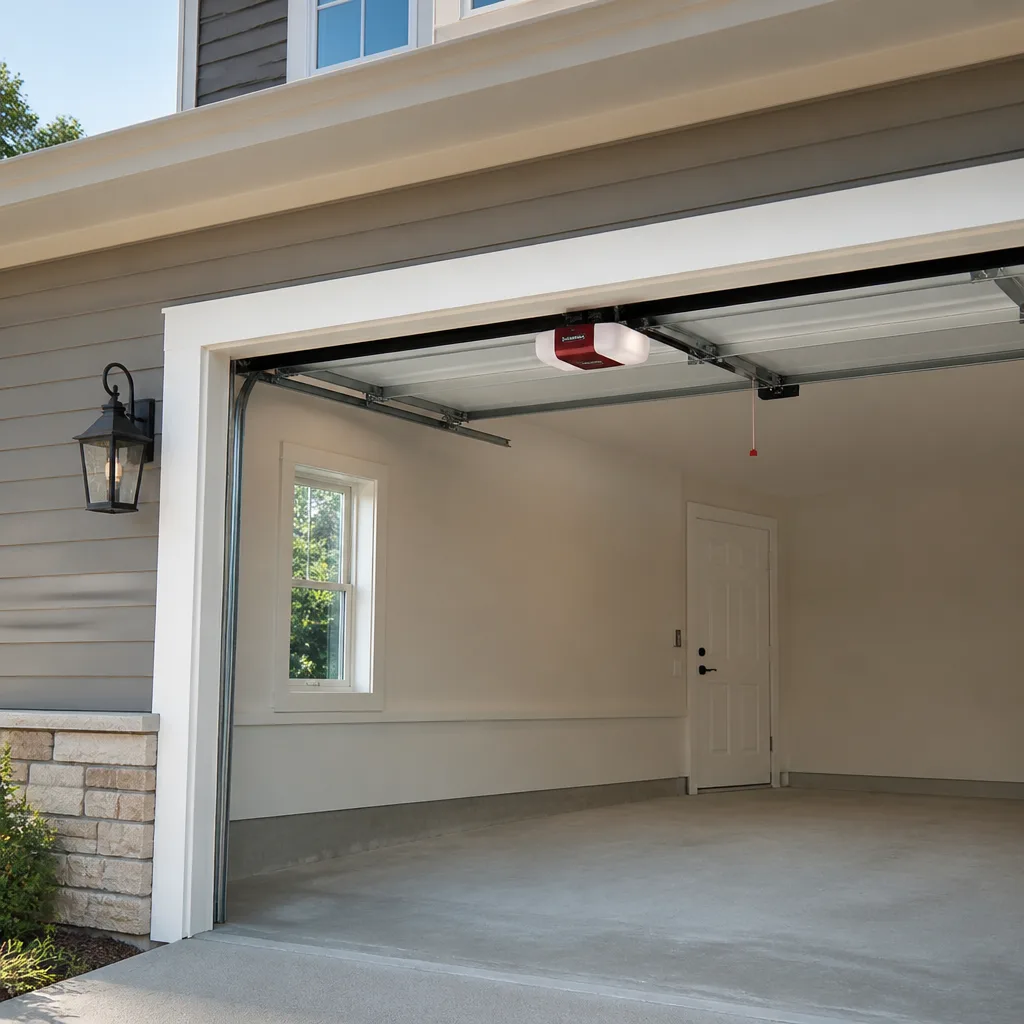 LiftMaster openers
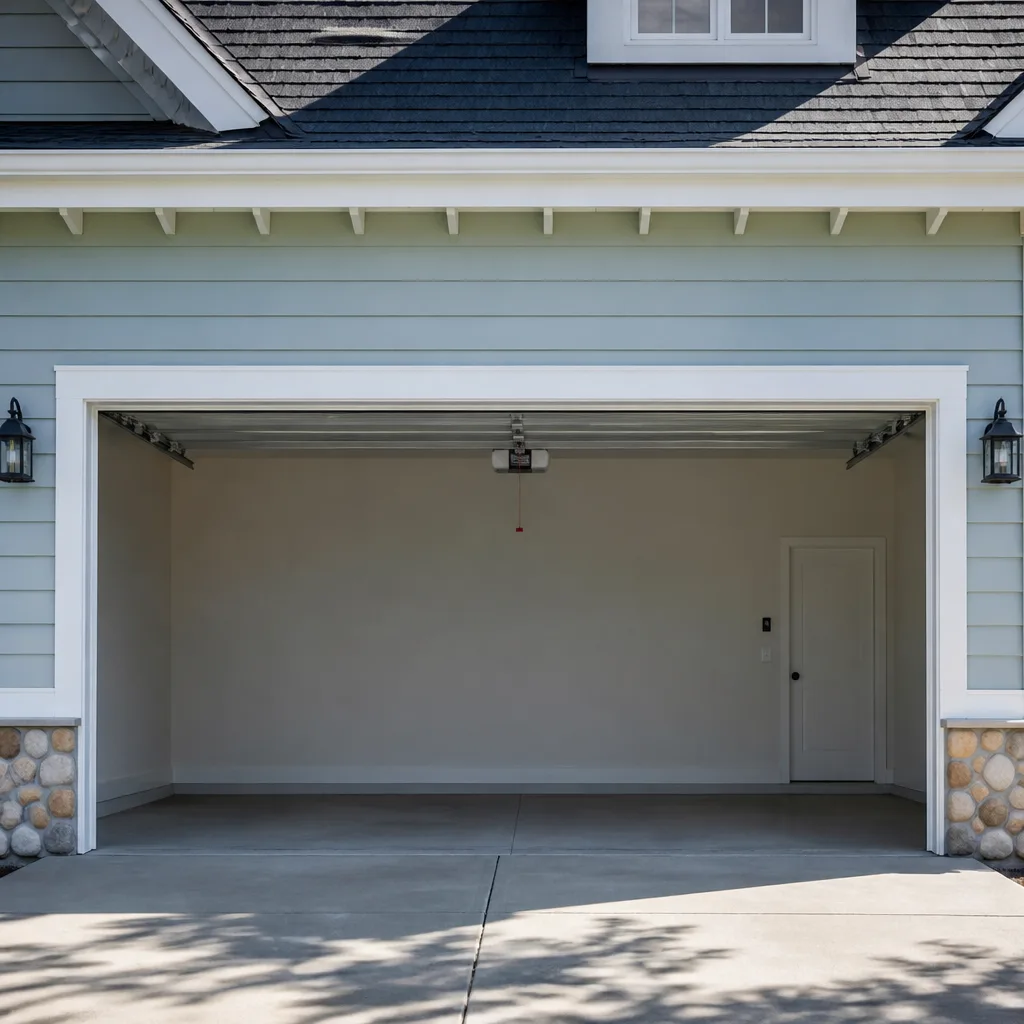 Chamberlain openers
Full 25-point door and opener safety check with every visit - springs, cables, rollers, tracks, and your LiftMaster or Chamberlain opener included
You get a price before we start. It does not change when the pro arrives.
Get your free estimateThe Complete Garage Door Opener Repair Guide for University City Homeowners
The opener isn’t always the problem. In roughly 30% of “opener failure” calls we diagnose, the motor is fine and the door is the culprit: a tired torsion spring, a track knocked out of plumb, or a hinge binding hard enough to stall a healthy motor. When that happens, replacing the opener fixes nothing and drains your wallet on a part that wasn’t broken. This guide walks through the entire lifecycle the way a technician actually works it, from symptom to root cause to repair, so you can tell which failure you’re facing before anyone touches a part. We’ll cover each opener component, what fails inside it and why, brand-specific quirks in the models we see most around University City, and the realistic line between a job you can tackle yourself and one that needs a trained pro.
Quick Answer
Most garage door opener failures in University City trace back to one of six root causes: a worn drive gear, a failed logic board, a snapped torsion spring, misaligned safety sensors, a dead wall console, or a door binding in its tracks. Diagnosing which of those six you’re facing, before any parts get ordered, is what separates an accurate repair from an expensive guess. If you want that diagnosis done for you, we’re happy to look at it.
Styles & brands we work with
- Raised-panel steel
- Carriage house
- Modern flush
- Full-view glass
- LiftMaster openers
- Chamberlain openers
Table of Contents
- Is It the Opener or the Door? How to Tell
- Component by Component: What Fails and Why
- Brand-Specific Quirks: LiftMaster, Chamberlain, Genie, and Craftsman
- What a Technician Checks in the First 10 Minutes
- Which Opener Repairs Are Realistic DIY, and Which Aren’t
- What Opener Repair Typically Costs in University City
- Repair or Replace? How to Decide
- Why a Brand-Familiar Technician Changes the Outcome
Is It the Opener or the Door? How to Tell
Before you dial anyone, you can usually sort whether the opener is at fault or the door is fighting it. The opener is doing its job whenever it receives power, the motor runs, and the door moves. When the door balks, stalls, drops hard, or sounds like it’s straining, the problem is mechanical far more often than electronic. Get this one call right and you save yourself a repair bill on a part that never needed attention.
Run through this sequence before you pick up the phone:
- Disconnect the opener. Pull the manual release cord. With the opener out of the picture, lift the door by hand. A door that needs real muscle to raise, or that won’t stay up on its own, points to a spring or balance problem, not the opener.
- Watch the door travel. If it drifts to one side, binds partway up, or shudders in the tracks, you’re looking at track, roller, or hinge trouble.
- Listen. A running motor with a door that doesn’t move means a stripped gear or a broken drive, which is an opener fault. Silence from the motor points to power, the logic board, or the wall console.
- Check the safety sensors. If the door closes a foot and reverses, the sensors are probably misaligned, dusty, or wired loose.
A quick visual check of the door and springs before you call can route the job correctly. In our experience, the calls that go smoothest are the ones where the homeowner can already tell us “the motor runs but the door sits still” rather than “it’s broken.” Around University City, older homes with original wooden doors tend to drift and bind more than newer builds, which pushes the fault toward mechanical far more often than folks expect.
Component by Component: What Fails and Why
An opener is a small system, not a single box. Knowing each part and its typical failure mode lets you describe the symptom in language a technician can act on. Here’s how the five main components break down.
Motor unit
The motor is hardier than most homeowners assume, but it fails when it’s overloaded for months by a door it can no longer lift. Burning smell, grinding, or a motor that runs weakly and quits are the usual signs. The fix could be the motor itself or, more likely, the drive system it’s trying to move.
Logic board
The control board is the opener’s brain. It handles the safety sensor signal, the force settings, the remote and keypad communication, and the limits. When a board goes, symptoms include random reversing, the opener ignoring remotes but following the wall console, or dead travel limits you can’t reset. Logic board problems are common in any brand, and they’re rarely a sign of the whole unit being finished.
Drive system
Chain, belt, screw, and direct drive each wear differently. Chain drives rattle and stretch. Belt drives quiet down but can develop slack or cracking. Screw drives are strong but noisy and wear at the nut. Direct drive systems take load but expose the motor to every bind in the door, so a mechanical fault behind them can turn into a motor fault fast.
Safety sensors
The two eyes at the base of the tracks are the number-one cause of “it won’t close.” Sunlight flooding the receiving eye, a bumped bracket, dust, or a loose wire all trigger it. Realign, clean, and re-check, and reset the bracket so it doesn’t move again.
Wall console and remotes
Wall consoles fail from heat and stuck buttons more than anything. If the remotes stop but the wall console still works, the problem is usually the wall button or the antenna on the opener; if the wall console stops but remotes work, that button is the likely culprit.
Working through this one component at a time is the diagnostic logic behind garage door opener repair done right.
Brand-Specific Quirks: LiftMaster, Chamberlain, Genie, and Craftsman
The four brands we see most around University City all follow the same basic architecture, but each has habits that steer a diagnosis. Knowing them up front is the difference between the right fix and a workaround.
LiftMaster
LiftMaster units use MyQ connectivity, and app issues often trace back to a router or Wi-Fi change rather than a board fault. Their safety sensor wiring and travel limit programming are systematic, which makes troubleshooting predictable. Force settings under heavy door binds are worth checking before assuming a motor fault.
Chamberlain
Chamberlain and LiftMaster share parentage and internals, so the quirks overlap. The most common frustration is a board that ignores remotes due to a lost programming memory; the repair is often a re-sync, not a new board. We always check this before ordering parts.
Genie
Genie’s direct-drive systems are quietly tough but expose the motor to any door bind, so Genie jobs frequently trace back to track or spring problems rather than the unit. Their remotes and wall consoles are specific to the system, so a generic aftermarket remote is a common source of “it works sometimes.”
Craftsman
Craftsman openers live on many older University City homes, and they hold up. The common fault is a stripped gear from years of lifting an unbalanced door. Parts availability is the deciding factor; if you’re facing a stranded Craftsman opener, a Wayne Dalton or Raynor replacement is often the better path.
We’re factory-familiar with the systems above and more, which means we diagnose to the actual part rather than swapping whole units and hoping.
What a Technician Checks in the First 10 Minutes
The first ten minutes of an opener call follow a fixed order, and it’s not long or mysterious. You can replicate it before calling, and doing so can save you a pointless visit.
- Look up. Check the spring above the door. A broken torsion spring is the most common “opener failure” we see, and it’s plainly visible as a clean split in the coil.
- Pull the release. Run the door by hand. If it won’t stay up or moves rough, you’ve found the problem.
- Reset the sensors. Clean the eyes, check the brackets, and watch the LED. If it flickers or stays dark, the sensor circuit is the fault.
- Test the wall console. Use it to run the door. If the wall works and remotes don’t, the problem is the remote or antenna, not the motor.
- Listen to the drive. A running motor with no door movement means the gear or drive has failed, which is an opener part.
- Test the door balance. Lift it halfway and let go. A well-balanced door stays there. One that drops or rises on its own is spring-related.
Run in any order, these checks isolate the fault without touching the dangerous parts. If a spring looks broken, stop and call. Repairing springs yourself is not a safe project: torsion and extension springs hold enormous stored energy, and a slipped spring can cause serious injury. That work belongs with a trained professional, which is why we treat garage door spring repair as a specialist job, not a quick fix.
Which Opener Repairs Are Realistic DIY, and Which Aren’t
A handful of opener fixes are genuinely within reach for a careful homeowner, but the line matters. Crossing it costs more than a service call. Here’s where it falls.
Realistic for most homeowners
- Realigning and cleaning safety sensors, and re-securing the sensor brackets.
- Replacing remote batteries and re-syncing remotes or keypads to the opener.
- Clearing a door that’s reversed due to a blocked safety beam or cluttered path.
- Replacing a wall console that fails to trigger the opener.
- Adjusting the force and travel limits according to the owner’s manual direction.
Needs a technician
- Torsion or extension spring failure of any kind. The spring stores massive energy, and the work requires special tools and knowledge.
- Logic board replacement, which involves wiring at the terminal block and matching the board to the model.
- Drive gear and carriage replacement, where the load path and torque matter.
- Track realignment and roller replacement when the door is binding or drifting.
- Any repair where the opener is still under warranty, which may restrict who can touch it without voiding coverage.
Our technicians have up to 9 years of experience and handle both halves of that line. When the door itself is fighting the opener, garage door repair is the right next step, not another motor.
What Opener Repair Typically Costs in University City
An opener repair in University City generally runs from around $120 for a simple sensor fix to around $450 for a logic board or drive gear replacement, with most jobs landing in the middle. The written estimate you receive sets the final price, so there are no surprises once the work starts.
- Safety sensor realign or replace: typically $120 to $200.
- Remote or wall console replacement: typically $120 to $220.
- Drive gear or carriage replacement: typically $200 to $350.
- Logic board replacement: typically $250 to $450.
- Full opener replacement, if needed: typically $350 to $700 for the unit and installation.
If the root cause turns out to be the door, those prices shift: a broken torsion spring is one spring, and a matched pair is usually replaced together, so a pair costs about twice the single-spring figure. The estimate is always free and quoted per job before any work begins. If the diagnosis points to the opener, call (866) 787-1709 for an exact quote. We answer 24/7. Fast dispatch from 7am to 7pm, Sunday through Friday.
Repair or Replace? How to Decide
The call to repair or replace hinges on three questions: what the repair costs relative to a new unit, how old the unit is, and whether the door itself is the real problem. A logic board or drive gear job on a solid opener usually makes sense to fix. A failed drive system on a unit that’s already past its natural life, especially with a heavy door behind it, often points to replacement.
Use the decision order we run through on every visit:
- Is the door problematic? If the door binds, drifts, or has a spring failure, fix that first. A new opener on a broken door fails too.
- What’s the repair cost against the unit age? A repair that costs half a new unit on an opener that’s nearing the end of its life usually makes replacing the better investment.
- Do parts still exist? Some older Craftsman and Genie models are hard to source. If the part is unavailable, the path is replacement.
- Is the door heavy? A solid wood or insulated door asks more of the opener than a light single-panel door. That favors a stronger replacement unit.
If the answer is replacement, we handle that too, from opener glitch to full installation under one roof. It’s the same crew to know across the door’s life.
Why a Brand-Familiar Technician Changes the Outcome
An unfamiliar technician who meets your opener for the first time at the door reads symptoms and makes a guess. A technician who knows your brand reads the symptom against a pattern they’ve seen on hundreds of lift systems, which is why the right diagnosis comes faster and the parts order is right the first time. We’re certified to service eight of the industry’s leading garage door and opener brands, including LiftMaster, Chamberlain, Genie, Clopay, Amarr, Wayne Dalton, Craftsman, and Raynor. That means genuine OEM-compatible parts knowledge rather than generic substitutions.
It also means we cover the whole arc of ownership. A glitchy sensor today and a full new door years from now go to the same company, and the technician arriving at your University City address already knows the equipment. Where another shop swaps a whole unit because it can’t isolate the fault, we find the failed part. That’s the right fix, not the easy one.
From opener glitch to full installation, we handle the work the way it should be handled: diagnosis first, part named, price in writing before anything is touched. If you’d rather have an experienced set of hands take the diagnosis off your plate, we’re glad to be that for you. We also work on the broader door when the opener is fine, so a single visit covers both. You’ll know the price up front and the fault by name before the work begins.
Common Mistakes to Avoid
- Replacing the opener when the spring is broken. A dead door that won’t lift by hand is usually a spring problem. Ordering a new opener first is an expensive way to solve the wrong problem.
- Ignoring the door by hand test. If you skip the manual release check, you’ll never know whether the door is fighting the motor. That one test routes the whole call.
- Forcing the door past a bind. Forcing a struggling door can strip the drive gear or damage the panel. Stop and diagnose rather than muscle it.
- Dismissing safety sensor problems as minor. A misaligned sensor is the top cause of a door that won’t close. Clean, realign, and secure the bracket before assuming the opener is dead.
- Buying a generic aftermarket remote or board. Generic parts fit poorly and cause intermittent faults. Match the part to the brand and model.
- Touching springs without the right tools. Torsion and extension springs are under extreme tension. This is not a DIY job, and a spring slip can cause a serious injury.
- Skipping the written estimate. Never authorize work on a verbal “we’ll sort it out.” Get the price in writing before anything is touched.
See the difference
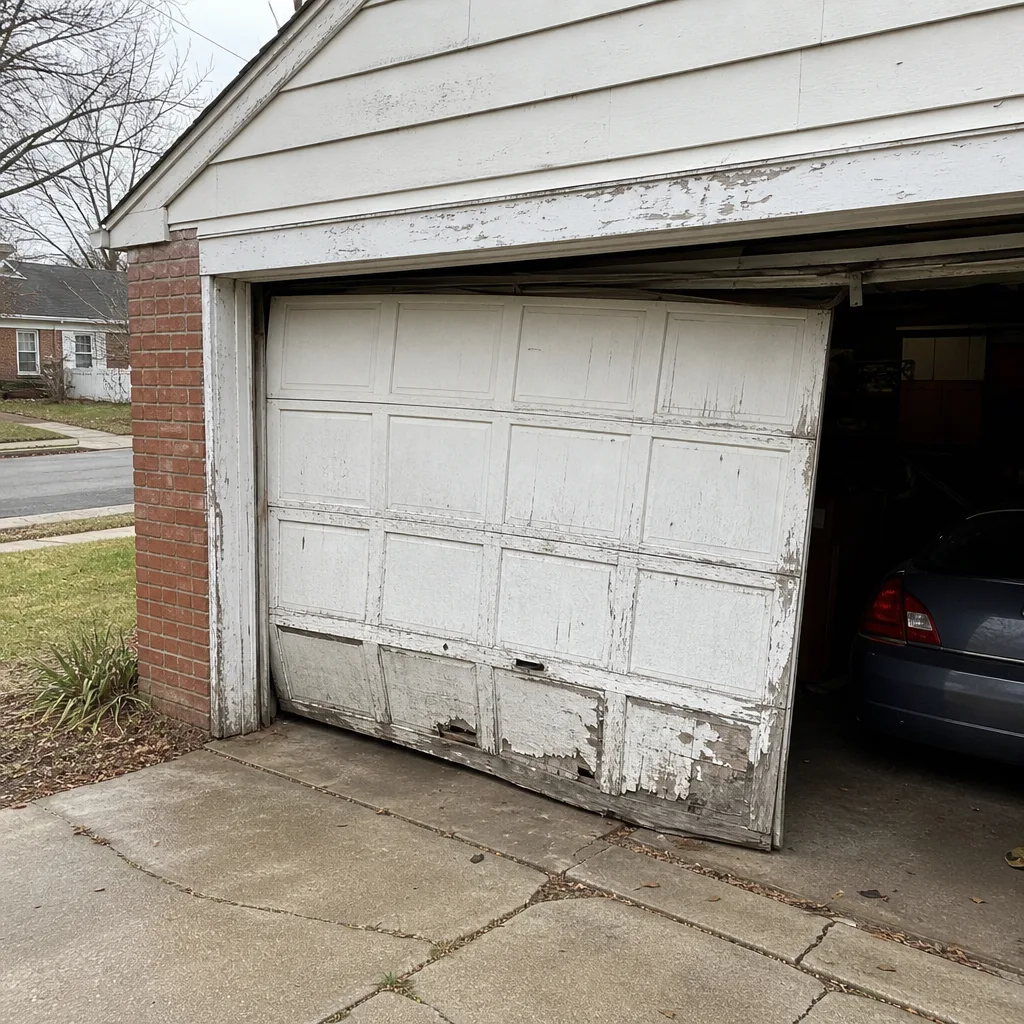 Before
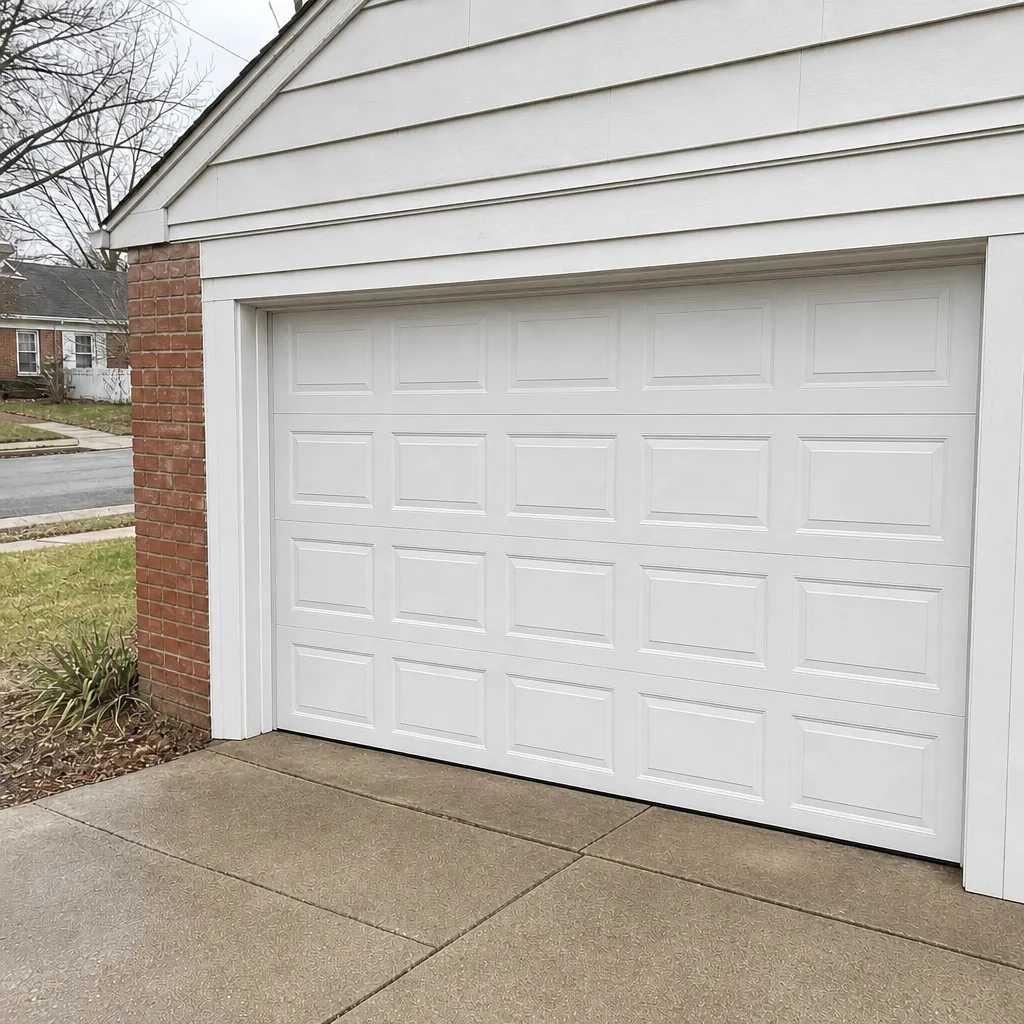 After
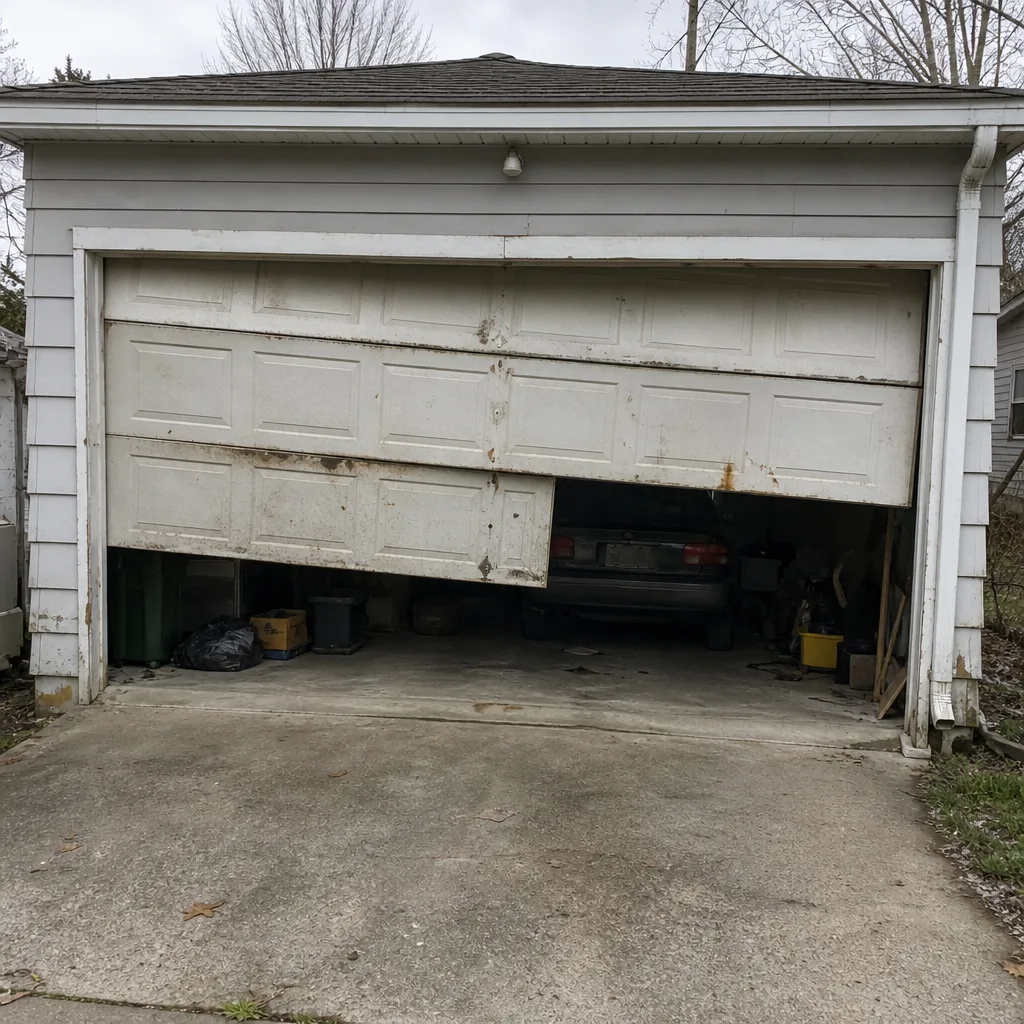 Before
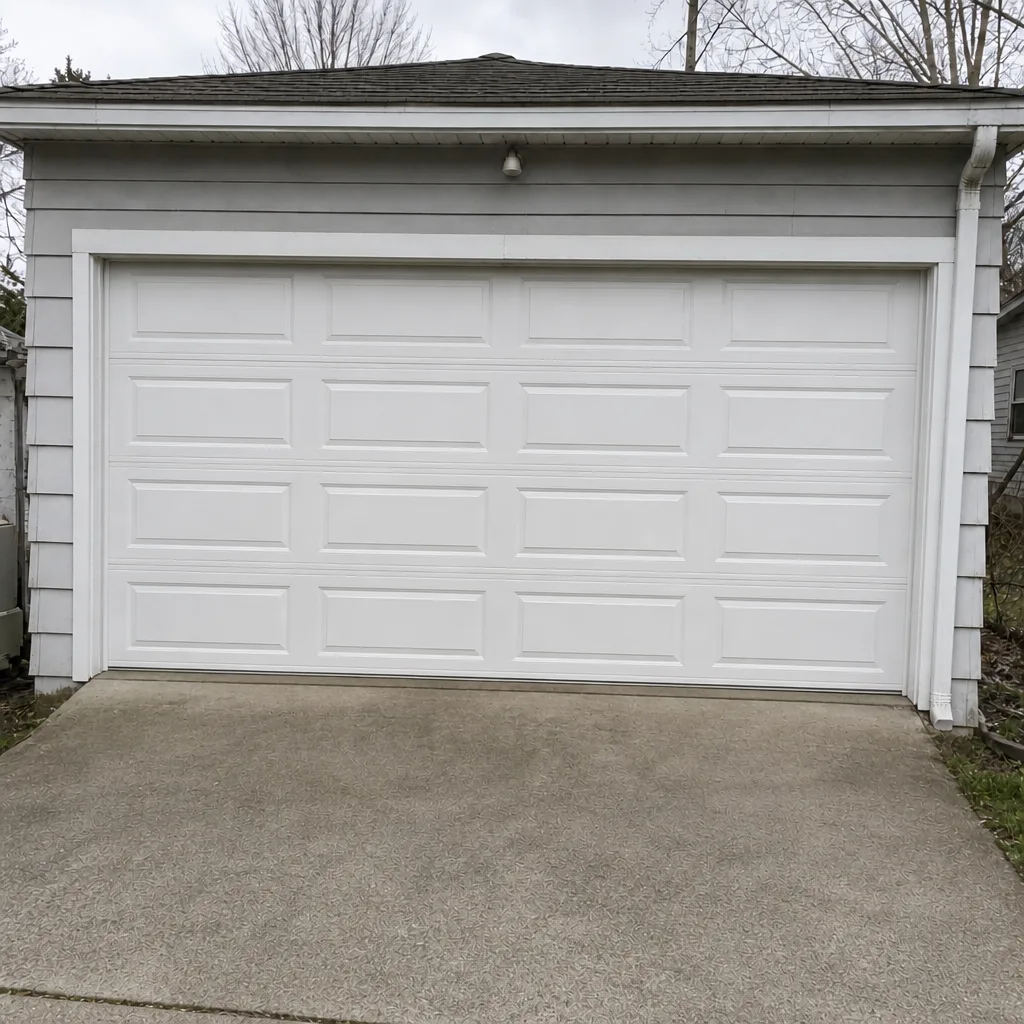 After
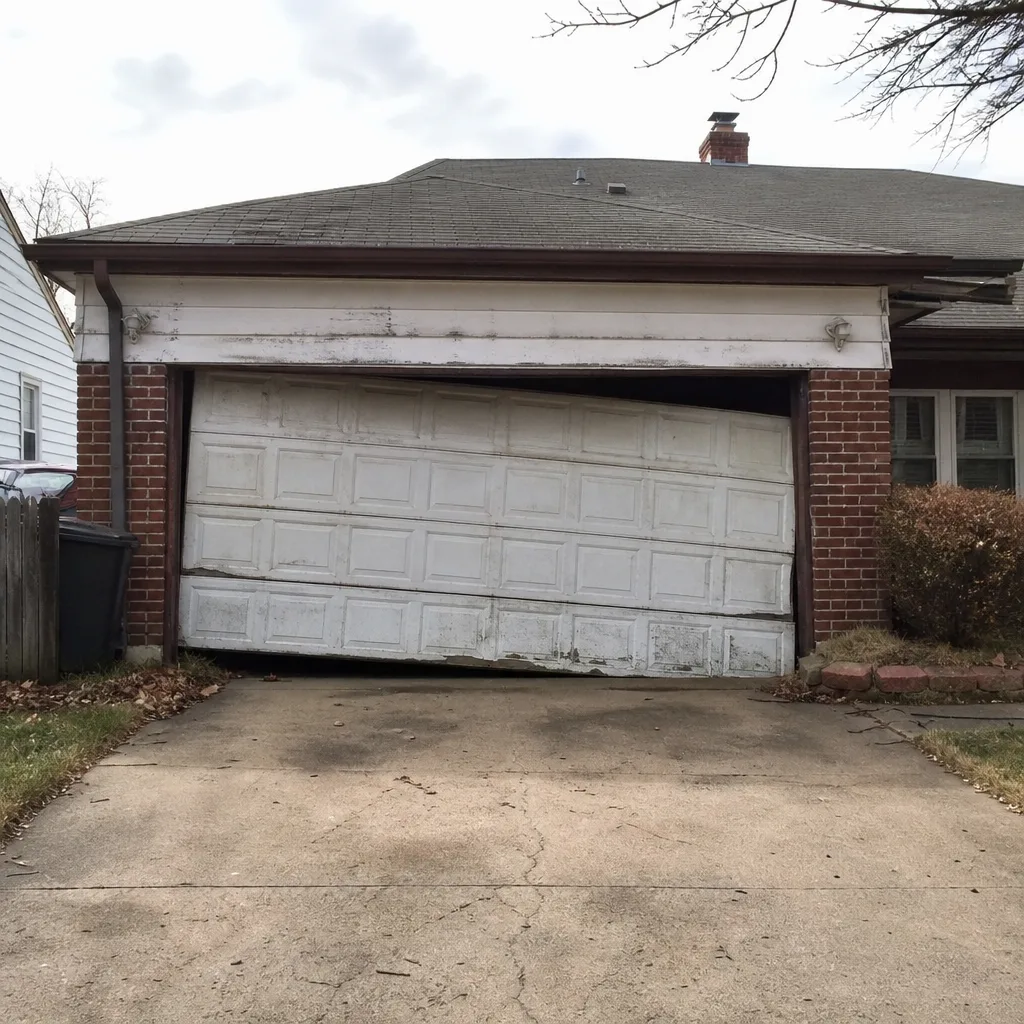 Before
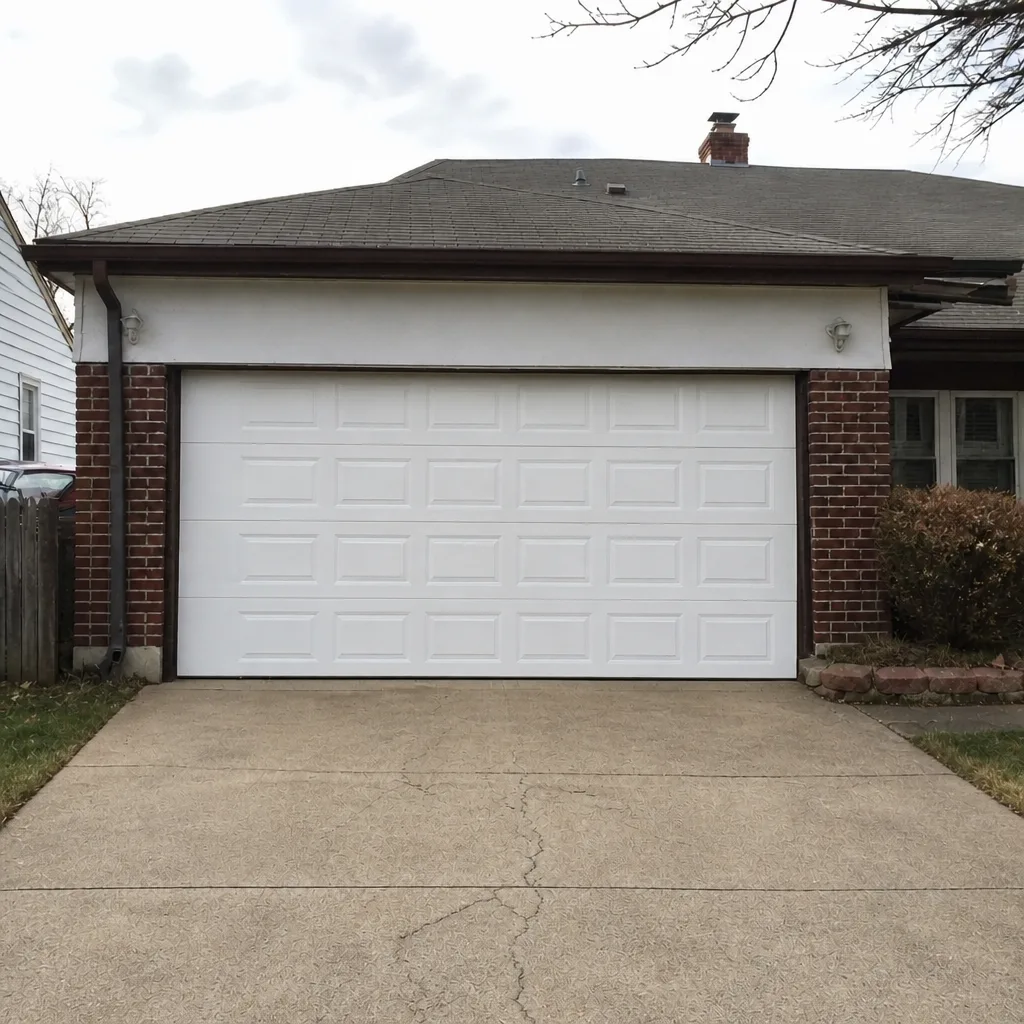 After
When to Call a Professional
Call a professional when the door won’t lift by hand, when a spring looks broken, when the motor runs but the door doesn’t move, when the logic board or drive gear needs replacing, or when the door binds in the tracks after your own checks. Also call if the opener is under warranty and you’re unsure whether a repair will void it. Fresh from a first attempt, you’ll likely know exactly which of the six root causes you’re facing, and that’s enough to make a call count. Garage Door Repair University City offers free estimates in University City. Call (866) 787-1709. We answer 24/7. Fast dispatch from 7am to 7pm, Sunday through Friday.
Frequently Asked Questions
Most opener repairs in University City typically run from $120 for a sensor fix to $450 for a logic board or drive gear replacement, with the written estimate setting the final price. Call (866) 787-1709 for an exact quote; estimates are free.
We can often get to a stuck door the same day for time-sensitive failures. Call (866) 787-1709 and we’ll book you in. We answer 24/7. Fast dispatch from 7am to 7pm, Sunday through Friday.
A motor that runs without moving the door points to a stripped drive gear, a broken carriage, or a released manual cord rather than a dead motor. Reconnect the release first; if the door still won’t move, the drive needs a technician. Call (866) 787-1709 to book a look at it.
The written estimate sets the price, and we quote before any work begins. A first visual check can change what the job is, but the number you approve is the number you pay. Call (866) 787-1709 for a free estimate.
The local professionals we connect you with are state-licensed and insured as their state requires. Our technicians have up to 9 years of experience across the major brands. Call (866) 787-1709 to talk through your opener.
Opener replacement is doable for a confident DIYer on a standard setup, but the wiring, the door balance, and the spring tension make it a risky first attempt. Most homeowners get a better result with a technician. Call (866) 787-1709 for a free estimate.
A broken spring shows as a door that won’t lift by hand and feels very heavy, while a broken opener runs its motor with no movement. Test the door by hand first to tell them apart. If the spring is split, stop and call (866) 787-1709.
The Bottom Line
Most opener “failures” are one of six root causes, and roughly 30% of them are the door, not the opener. Test the door by hand first, check the sensors, and use the wall console to isolate remotes. That short sequence tells you whether you’re facing a spring, a track, a board, or a drive. From there, the fix is a matter of matching the part to the brand, with a written price before work begins. Our technicians have up to 9 years of experience across LiftMaster, Chamberlain, Genie, Craftsman, and more, and we’d rather find the right part than swap the whole unit. For a diagnosis you can trust, call us.
Ready to get back on track today? Call (866) 787-1709 for a free estimate. We answer 24/7. Fast dispatch from 7am to 7pm, Sunday through Friday.
Written by the team at Garage Door Repair University City.